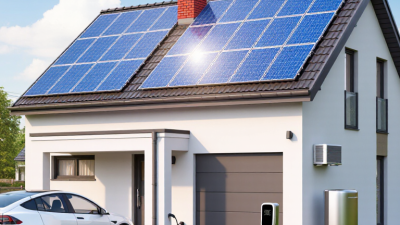

Choosing solar panels for home use involves more than comparing wattage or chasing the highest efficiency rating. A suitable system should match your roof, electricity habits, climate, and budget. A south-facing roof may capture strong sunlight, while nearby trees can create afternoon losses. Even small shadows matter.
Start with recent utility bills. Note seasonal changes, peak usage, and future needs such as an electric vehicle or heat pump. Then examine panel efficiency, temperature performance, physical size, degradation rate, and warranty coverage. A reliable manufacturer should publish clear testing data and provide meaningful product and performance warranties. Independent certifications, such as IEC or UL standards, can also support a safer purchasing decision.
Do not ignore the inverter. It converts panel electricity into usable household power and affects monitoring, maintenance, and system performance. Microinverters may help roofs with several orientations, while string inverters can be simpler and less expensive. The best choice depends on the design.
Local installers can assess roof structure, shading, wiring, permits, and grid connection requirements. Ask for an itemized proposal, estimated annual production, equipment model numbers, and realistic savings assumptions. Be cautious with guaranteed results. Weather changes.
A panel with impressive laboratory efficiency may not produce the most energy on your roof. I have seen homeowners focus on appearance and overlook shade, maintenance access, or replacement costs. That is an easy mistake. This guide explains how to compare solar panels for home projects with practical evidence, professional guidance, and a willingness to question attractive claims.
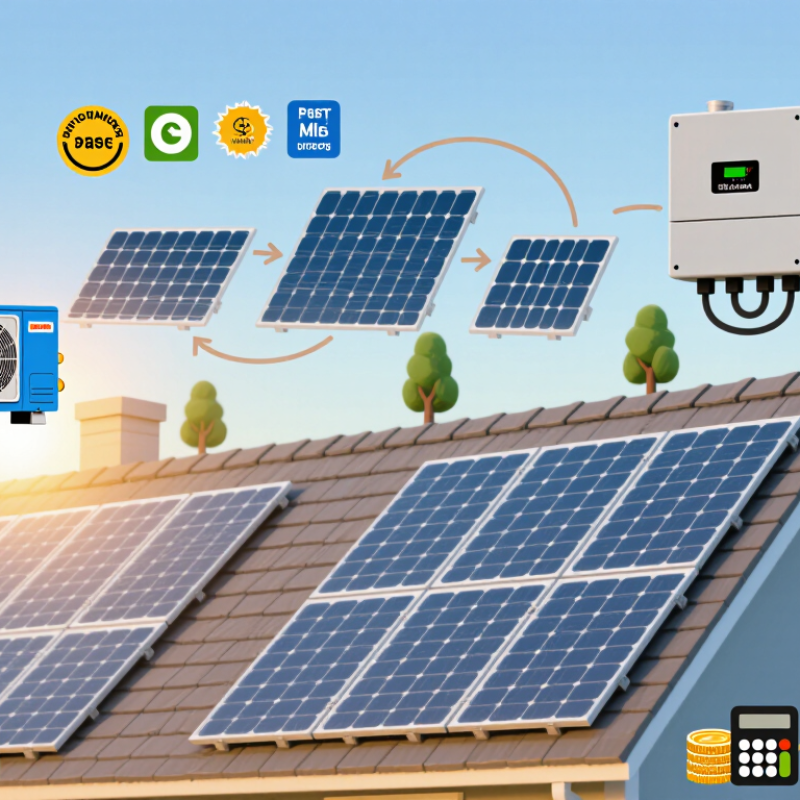
Before choosing solar panels, measure your home’s real electricity demand. The U.S. Energy Information Administration reports average residential electricity use near 10,800 kilowatt-hours annually. Your household may differ sharply. Review twelve months of utility bills, then note air-conditioning, heating, water heating, and electric-vehicle loads. A home with a shaded roof needs a different system from a sunny, efficient home.
Use location-based modeling, not a brochure estimate. The National Renewable Energy Laboratory’s PVWatts tool considers local sunlight, roof direction, tilt, temperature, and system losses. For example, a home using 10,800 kilowatt-hours yearly, receiving 4.5 peak-sun hours daily, and assuming 80% system performance may need about 7.4 kilowatts of solar capacity. That is only an estimate. Trees grow, weather changes, and my calculation ignores future efficiency improvements. Check roof measurements, seasonal shade, and local permitting requirements with a qualified installer. Record evening consumption separately if you may add storage. A large battery cannot fix an oversized or poorly positioned solar array.
How to Choose Solar Panels for Home Use?
Evaluate Roof Space, Sunlight, and Local Conditions
Choosing solar panels starts with the roof, not the sales brochure. Measure usable roof sections, not the entire surface. Mark vents, skylights, chimneys, edges, and access paths. A roof with 30 square meters may offer far less installation space. Measure twice. Roof age also matters. Panels can operate for decades, so replacing an aging covering later may add labor and cost. Ask a qualified installer to inspect the structure, fasteners, and water-shedding details before comparing electrical output.
Sunlight changes by hour and season. Watch the roof from morning through late afternoon, ideally in winter and summer. Nearby trees, poles, and taller buildings can cast narrow shadows across panels. Shade matters. Even brief shading can reduce production, depending on system design. A phone image is useful, but it is not a solar study. Request a documented shade analysis using roof orientation, tilt, and local weather data. Production estimates should show monthly figures, not only an annual headline number.
Local conditions complete the assessment. High winds, snow, salt air, dust, and hail can influence mounting choices and maintenance needs. Check building, electrical, fire-access, and grid-connection requirements before signing anything. A reputable professional should explain permits, inspections, and emergency shutoff access clearly. Ask what happens if actual output misses the estimate. Compare roof loading, warranty terms, cleaning access, and repair procedures. My first estimate was too optimistic because I ignored afternoon shade from a neighbor’s tree. That mistake changed the layout.
| Evaluation Dimension | What to Measure | Typical Reference Data | How It Affects Panel Selection | Practical Evaluation Method |
|---|---|---|---|---|
| Usable Roof Area | Unobstructed roof surface available after excluding chimneys, vents, skylights, roof edges, and required access paths. | Approximately 1.7–2.1 m² per modern residential panel; about 5–7 m² of module area per installed kW. | A larger usable area allows more panels and greater annual energy production. Small roofs may require higher-wattage panels. | Measure each roof plane, subtract permanent obstacles, and keep clearances required by local building and fire codes. |
| Household Electricity Demand | Annual electricity consumption and the timing of daytime versus evening usage. | Use the last 12 months of utility bills. A basic sizing estimate is: annual demand ÷ (annual solar resource × system performance factor). | A system sized for actual consumption helps avoid unnecessary cost and excessive unused generation. | Review monthly bills and identify high-load appliances such as electric heating, cooling, water heating, and vehicle charging. |
| Solar Resource | Average daily peak sun hours or solar irradiation for the property’s location. | Many locations receive roughly 3–6 peak sun hours per day, but the actual value varies by latitude, weather, elevation, and season. | Higher solar resource generally produces more electricity from the same panel capacity. | Use a government, utility, or other reputable solar-resource database using the property’s exact location. |
| Roof Orientation | Direction each roof plane faces, measured relative to true north or south. | In the Northern Hemisphere, south-facing roofs generally receive the most annual sunlight. In the Southern Hemisphere, north-facing roofs are generally preferred. | East- and west-facing roofs can still perform well but usually produce a different daily generation profile. | Use a compass adjusted for magnetic declination, a satellite map, or a professional site survey. |
| Roof Tilt | Angle of the roof surface from horizontal. | A starting point is a tilt near the site latitude; many residential roofs fall approximately within 15°–40°. | Tilt affects annual sunlight capture, snow shedding, drainage, and the visual appearance of the installation. | Measure the roof pitch or obtain it from construction documents. Roof-mounted systems can sometimes use mounting adjustments. |
| Shading | Shade from trees, neighboring buildings, chimneys, roof structures, and utility equipment throughout the year. | Unshaded solar access is preferred; even partial shade can reduce output, especially when multiple panels share a circuit. | Shade can reduce annual production and may influence the choice of module-level power electronics or separate electrical designs. | Check the roof in the morning, midday, and afternoon during different seasons, or use a professional shade-analysis tool. |
| Roof Condition and Remaining Life | Roof age, material, structural condition, leaks, and expected remaining service life. | The roof should generally outlast the solar installation; many photovoltaic systems are designed for 25 years or more. | Replacing an aging roof after installation can require removal and reinstallation of the solar system. | Have the roof inspected before installation. Repair or replace unsuitable roofing first. |
| Structural Capacity | Whether the roof and supporting structure can carry the added dead load and local environmental loads. | Solar equipment commonly adds approximately 10–25 kg/m², but the exact load depends on the system design and roof structure. | Insufficient structural capacity may require reinforcement, a lighter mounting system, or a different installation location. | Confirm loads with a qualified installer or structural professional using local building-code requirements. |
| Wind, Snow, and Hail Exposure | Local design wind speed, snow load, hail risk, and severe-weather requirements. | Values are location-specific and are established by local building codes. Snow accumulation can temporarily reduce production. | These conditions affect panel ratings, mounting hardware, attachment spacing, and installation cost. | Check local code maps and ensure the proposed system has engineering documentation for the property’s environmental loads. |
| Temperature Conditions | Typical ambient temperatures and the likelihood of very hot operating conditions. | Most crystalline-silicon panels lose approximately 0.3%–0.5% of power for each °C above a 25°C cell-temperature reference. | Hot climates may produce less power at peak heat, while clear, cool conditions can improve operating efficiency. | Compare the panel’s temperature coefficient and local climate data; provide adequate ventilation beneath roof-mounted panels. |
| Panel Electrical Rating | Rated power, efficiency, physical dimensions, voltage range, and temperature coefficient. | Residential panels commonly provide roughly 350–500 W per panel, with efficiency often around 19%–23%. | Higher efficiency is useful when roof space is limited, while physical dimensions and electrical characteristics must fit the system design. | Compare the official technical datasheets and verify compatibility with the inverter, wiring, and available roof area. |
| System Performance Factor | Expected losses from temperature, wiring, inverter conversion, dust, mismatch, snow, and system availability. | A preliminary annual estimate often uses a performance factor of approximately 0.75–0.85, subject to site conditions. | Using a realistic factor prevents overestimating annual energy production. | Request a site-specific production simulation that includes orientation, tilt, shading, weather, and system losses. |
| Local Electricity Rules | Interconnection requirements, export compensation, net-metering rules, permits, and limits on system size. | Policies differ by jurisdiction and may change over time; export credits may not equal the retail electricity rate. | Rules affect system economics, battery value, payback period, and the preferred level of self-consumption. | Confirm current requirements with the local utility, permitting authority, and an independent financial adviser. |
| Future Energy Changes | Planned electric vehicles, heat pumps, electric water heating, home extensions, or battery storage. | Future loads can materially increase annual electricity demand compared with current utility bills. | Planning ahead may influence inverter capacity, roof layout, wiring, and battery-readiness. | List expected electrical upgrades for the next 5–10 years before finalizing system size. |
Note: These figures are general planning references. Final panel capacity, structural design, expected production, and permitting requirements should be verified for the specific property and local regulations.
Choosing home solar panels starts with the roof, not the sales brochure. Measure shade at 9 a.m., noon, and 4 p.m. A narrow chimney shadow can reduce output across several cells. Monocrystalline panels usually provide the highest power per square metre, commonly reaching about 20–23% module efficiency, according to the Fraunhofer Institute’s Photovoltaics Report. Polycrystalline panels can cost less, but they usually need more roof space. Thin-film modules perform better in some heat and low-light conditions, yet their larger area may challenge small roofs.
Efficiency is only one part of value. The IEA Photovoltaic Power Systems Programme reports that crystalline-silicon technology dominates global solar deployment, reflecting strong manufacturing scale and field experience. Still, real output depends on temperature, wiring, orientation, and ventilation. A panel rated at 450 watts will not produce 450 watts all day. That sounds obvious, but household estimates often hide it.
Durability deserves close inspection. Look for testing under IEC 61215 and IEC 61730, then review the product’s degradation-rate statement. A lower annual degradation rate can preserve more electricity after twenty years. Fraunhofer research and long-term field studies show that heat, moisture, and poor installation can accelerate aging. Ask for documented snow-load, wind-load, and fire classifications. Also inspect the mounting area for rust, cracked tiles, and standing water. I would not choose the most efficient panel automatically; a slightly less efficient model with better ventilation may deliver more dependable energy on a hot roof. Forecasts are useful, but roofs remain imperfect.
Comparing common solar panel types by typical conversion efficiency and expected service life can help homeowners balance roof space, energy output, and long-term durability.
How to read the chart: Monocrystalline panels generally provide the highest efficiency and are suitable when roof space is limited. Polycrystalline panels offer moderate efficiency with a long service life, while thin-film panels are lighter and more flexible but usually require more installation area. Actual performance depends on climate, installation quality, shading, and maintenance.
How to Choose Solar Panels for Home Use?
System costs deserve more than a single headline figure. Ask for an itemized quote covering panels, inverters, mounting hardware, permits, labor, and grid connection fees. A low quote may exclude roof repairs or electrical upgrades. Battery storage can also change the budget significantly. Measure the quoted system against your recent electricity bills, roof orientation, and expected energy use. The cheapest option is not always the most practical.
Read every warranty before signing. Panel warranties usually separate product defects from energy-performance guarantees. Check the coverage period, exclusions, transfer rules, and the process for making a claim. Inverter and battery warranties may have different terms. Workmanship coverage matters because leaks often result from installation, not the panel itself. Keep copies of invoices, inspection records, and warranty documents. Small paperwork details matter later.
Installer qualifications require careful checking. Confirm current licenses, insurance, relevant training, and experience with homes similar to yours. Ask for recent local references, then inspect completed projects when possible. A qualified installer should explain roof loading, shading, cable routes, maintenance, and emergency shutdown procedures in plain language. Request a written timeline and the names of subcontractors. I would not rely on impressive promises alone. One thing is easy to miss: installer reviews can look excellent while after-sales support remains unclear. Ask who answers the phone after commissioning, and how quickly service visits usually occur.
Choosing solar panels for long-term home use starts with your household’s actual electricity pattern. Review twelve months of utility bills before comparing panel prices. Daily consumption, roof direction, and seasonal heating needs affect system size. An oversized system may waste money, while an undersized one can cause frustrating shortfalls. That mistake is expensive.
Roof conditions matter more than many online calculators suggest. Check shading from trees, chimneys, and nearby buildings during different seasons. Roof age also deserves attention. Replacing panels during reroofing creates unnecessary labor and disposal costs. Panels with stronger temperature performance may produce more stable output in hot climates. Ask for documented efficiency, degradation rates, product warranties, and installer qualifications.
The electrical design should match future household changes. An electric vehicle, heat pump, or growing family can raise demand sharply. Leave reasonable capacity for expansion, but do not pay for unused equipment today. A qualified installer should explain inverter placement, cable protection, maintenance access, and local permit requirements. Request a written production estimate based on your roof, not a generic regional average. Small details matter. I would also question unusually optimistic savings claims. Weather is unpredictable, and real output rarely matches a perfect estimate. A reliable decision includes inspection records, clear warranty terms, and a realistic plan for occasional cleaning and monitoring.