How to Choose Solar Power for Your House?
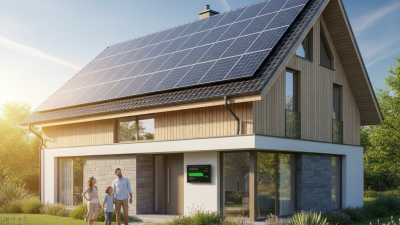
Choosing solar power for house use is no longer a futuristic decision. It is a practical energy project involving sunlight, roof space, electricity demand, and local rules. The International Energy Agency reported that global solar photovoltaic capacity exceeded 1,400 gigawatts by the end of 2023. Its Renewables 2024 report also expects solar power to drive most new renewable capacity through 2030.
That growth matters at home. A south-facing roof may produce strong output, but shading from a chimney can reduce performance sharply. A 6-kilowatt system might suit one family and disappoint another. Daily habits matter. An electric vehicle, heat pump, or evening-heavy electricity use can change the design.
“Solar power is going to be the single largest source of electricity by 2035,” said Fatih Birol, Executive Director of the International Energy Agency. His statement describes a global shift, but household decisions still require local evidence. The IEA Photovoltaic Power Systems Programme, in its Trends in Photovoltaic Applications 2024 report, identifies falling costs and expanding deployment, while warning that grid integration and policy conditions remain important.
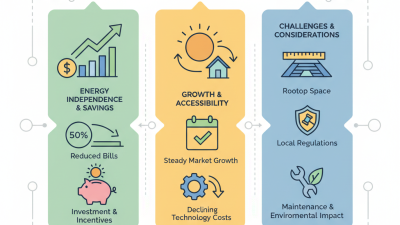
This guide explains how to evaluate solar power for house projects without treating every roof as identical. It considers system size, battery storage, warranties, installer experience, maintenance, and expected payback. Roof age deserves attention too. Installing panels on a failing roof creates an avoidable expense.
There is no perfect calculation. Electricity prices change. Weather varies. A careful homeowner should compare several quotes, check production estimates, and question optimistic promises before signing. Small details often decide whether a solar investment performs well for twenty years.

Assess Your Home’s Solar Energy Potential
When choosing solar power for a house, start with the roof, not a sales estimate. Record each roof plane’s direction, pitch, usable area, and age. Shade matters. A chimney can reduce winter production, even when summer sunlight looks strong. Walk around the property at 9 a.m., noon, and 3 p.m. Photograph shadows from trees and nearby buildings. These simple observations often reveal problems that satellite images miss.
NREL’s PVWatts model uses local weather data to estimate photovoltaic output. Its standard settings include about 14% system losses for wiring, temperature, dust, and other factors. Treat that figure as a starting point, not a guarantee. Local snow, smoke, or unusual roof shading may increase losses. LBNL’s 2024 Tracking the Sun report recorded a median U.S. residential system size of roughly 7.4 kilowatts in 2023. Your roof may need less or more capacity.
Compare the modeled annual output with twelve months of electricity bills. Include seasonal demand, especially air-conditioning or electric heating. Check whether the roof needs repairs before installation. A new array should not sit above a failing surface. My first rough estimate was too optimistic because I ignored late-afternoon shade. That mistake was useful. Recheck the model using hourly shade assumptions, not a perfect-sun scenario. Ask an installer to explain every loss factor, production range, and measurement method in writing.
How to Choose Solar Power for Your House? — Assess Your Home’s Solar Energy Potential
Monthly average peak sun hours are a practical first indicator of rooftop solar potential. This reference profile represents a temperate Northern Hemisphere location; actual results depend on local weather, roof direction, tilt, shading, and system losses.
A higher value means more sunlight is available for electricity generation. Before choosing a system, check the roof’s usable area, shading throughout the day, structural condition, and local solar data.
Compare Solar Panel Systems and Power Options
How to Choose Solar Power for Your House?
Compare Solar Panel Systems and Power Options
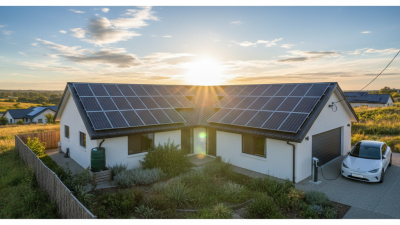
Choosing solar power starts with comparing how each system handles sunlight and outages. A grid-tied system usually costs less and sends extra electricity to the utility network. It may stop during outages, even on a bright afternoon. A battery hybrid system stores daytime energy for evening use and limited backup power. Batteries add cost, weight, and replacement planning. An off-grid system needs larger storage and careful load control. It suits remote homes, but daily energy discipline is essential. Think beyond panel capacity. A large roof does not guarantee useful production.
Review 12 months of electricity bills, hourly usage, and future loads. Include cooling, heating, or an electric vehicle. Ask a qualified installer to check roof direction, shading, structure, permits, and maintenance access. Verify licensing, insurance, and service arrangements before signing. Compare installed cost, annual production, battery capacity, warranty terms, and response times. Do not rely only on a polished savings estimate. Weather, tariffs, and household habits can change the result. A conservative forecast is often more useful. One common mistake is oversizing panels while ignoring evening demand.
Tips: List essential loads first. Measure their wattage. Check winter sunlight. Test backup priorities. Get several written proposals with matching assumptions. If one calculation feels perfect, question it. Your daily routine may matter more than the largest system.
Estimate Costs, Savings, and Available Incentives
How to Choose Solar Power for Your House?
Estimate your household’s yearly electricity use before comparing solar systems. Collect twelve months of utility bills, not just one recent statement. Note seasonal changes, such as air-conditioning use in July or electric heating in January. A qualified installer can model roof direction, shading, panel size, battery storage, and local electricity rates. Ask for assumptions in writing.
Compare the complete price, including equipment, permits, labor, electrical upgrades, maintenance, and possible battery replacement. A system may cost $15,000 before incentives, but prices vary widely by location and design. Calculate the payback period by dividing your net cost by expected yearly savings. Include changing utility rates, but treat forecasts carefully. A rough estimate can look convincing and still be wrong. Measure twice.
Review incentives through government agencies, your utility, and local tax authorities. Eligibility may depend on installation dates, property ownership, income, system size, or battery capacity. Some benefits reduce taxes, while others provide rebates or credits against electricity bills. Confirm whether incentives apply before signing a contract. Keep records. Save invoices, permits, inspection documents, and approval letters. An experienced professional should explain warranty terms, roof condition, financing interest, and grid-connection rules without pressure. If the roof needs replacement soon, include that cost; installing panels first can create avoidable labor expenses. A second quote may reveal missing fees or unrealistic savings.
How to Choose Solar Power for Your House? - Estimate Costs, Savings, and Available Incentives
The estimates below use typical U.S. residential conditions: approximately 1,400 kWh of annual solar production per installed kW, an electricity rate of $0.17 per kWh, and cash purchase pricing before incentives. Actual results vary by location, roof orientation, shading, system design, utility rates, financing, and applicable regulations.
| System Size |
Estimated Annual Production |
Typical Roof Area |
Estimated Gross Cost |
Estimated Annual Bill Savings |
Simple Payback Before Incentives |
| 4 kW |
About 5,600 kWh |
Approximately 220–320 sq. ft. |
$10,000–$14,000 |
About $950 per year |
11–15 years |
| 6 kW |
About 8,400 kWh |
Approximately 330–480 sq. ft. |
$15,000–$21,000 |
About $1,430 per year |
11–15 years |
| 8 kW |
About 11,200 kWh |
Approximately 440–640 sq. ft. |
$20,000–$28,000 |
About $1,900 per year |
11–15 years |
| 10 kW |
About 14,000 kWh |
Approximately 550–800 sq. ft. |
$25,000–$35,000 |
About $2,380 per year |
11–15 years |
Illustrative Cost and Incentive Calculation
| Cost or Incentive Item |
Example Amount for a 6 kW System |
How It Affects the Purchase |
| Solar installation price before incentives |
$15,000–$21,000 |
Includes typical equipment, labor, permitting, and interconnection costs; excludes major roof repairs. |
| Federal residential tax credit |
Potentially 30% during applicable eligibility periods |
A tax credit reduces federal income tax liability, subject to current law, eligibility, and tax liability. Confirm the installation-date rules with the relevant tax authority. |
| Illustrative federal credit at 30% |
$4,500–$6,300 |
Illustrative amount based on the gross cost range; actual eligibility and timing must be verified. |
| Estimated cost after a 30% credit |
$10,500–$14,700 |
This is an example after-tax-credit cost, not an upfront discount from the installer. |
| State, local, or utility incentives |
$0–$5,000 or more, depending on location |
Availability, funding limits, income restrictions, equipment rules, and application deadlines vary by jurisdiction. |
| Battery storage add-on |
Approximately $10,000–$25,000 installed |
May provide backup power and increase self-consumption, but usually extends the payback period. |
Key Factors to Check Before Choosing a System
| Evaluation Dimension |
Practical Recommendation |
| Annual electricity use |
Review at least 12 months of utility bills and size the system around actual consumption, future household changes, and local production limits. |
| Roof condition and orientation |
Repair or replace an aging roof before installation. South-, southeast-, and southwest-facing surfaces often provide strong production in the Northern Hemisphere, but site-specific modeling is required. |
| Shading and weather |
Trees, nearby buildings, snow, heat, and local cloud cover can reduce output. Request an hourly or monthly production estimate rather than relying only on system size. |
| Utility compensation rules |
Check export credits, time-of-use rates, fixed charges, interconnection limits, and whether excess generation is credited at the retail or a lower rate. |
| Financing and ownership |
Compare cash purchase, loan, lease, and power-purchase options using total payments, escalation clauses, transfer terms, maintenance duties, and expected savings. |
| Warranty and maintenance |
Request written coverage for equipment, workmanship, roof penetrations, monitoring, inverter replacement, and system performance. |
All figures are planning estimates, not guarantees. Confirm current federal, state, local, and utility incentives before signing a contract, and obtain multiple itemized proposals for a site-specific comparison.
Choose an Installer and Plan the Installation
Choose an Installer and Plan the Installation
A good solar plan begins with your roof, not a sales promise. Ask the installer to inspect shading, roof age, electrical capacity, local permits, and backup-power needs. The International Energy Agency reported about 420 gigawatts of new solar photovoltaic capacity worldwide in 2023. Solar is expanding quickly, but installation quality still varies.
Request a detailed proposal with system size, estimated annual production, equipment specifications, labor charges, warranty terms, and maintenance duties. Compare at least three licensed installers. Verify insurance, electrical credentials, recent projects, and customer references. A serious installer should explain production losses from shade, dirt, temperature, and winter weather. Ask how they calculate savings. One glossy estimate is not enough.
Plan the work around your household routine. Confirm where conduits will run, where the inverter will sit, and how workers will protect gardens and roof tiles. The U.S. National Renewable Energy Laboratory recommends using site-specific production estimates rather than broad regional averages. That matters. I would also leave room for doubt: roof conditions can change the budget after inspection, and advertised payback periods may ignore repairs, financing costs, or lower-than-expected output. Put every assumption in writing before signing, including the completion date and who handles permit delays.