
Top 10 Types of Solar Energy Solutions for Global Buyers?
As electricity demand rises, buyers are examining solar energy solutions with greater care and sharper cost expectations. For global purchasers, the right system depends on location, load patterns, financing, grid reliability, and maintenance capacity. According to IRENA’s Renewable Capacity Statistics 2025, global solar capacity reached approximately 1,865 GW by the end of 2024. Solar added about 452 GW during that year, representing nearly three-quarters of all new renewable capacity. The IEA’s Renewables 2024 report also identifies solar PV as the main driver of renewable expansion through 2030. Scale matters.
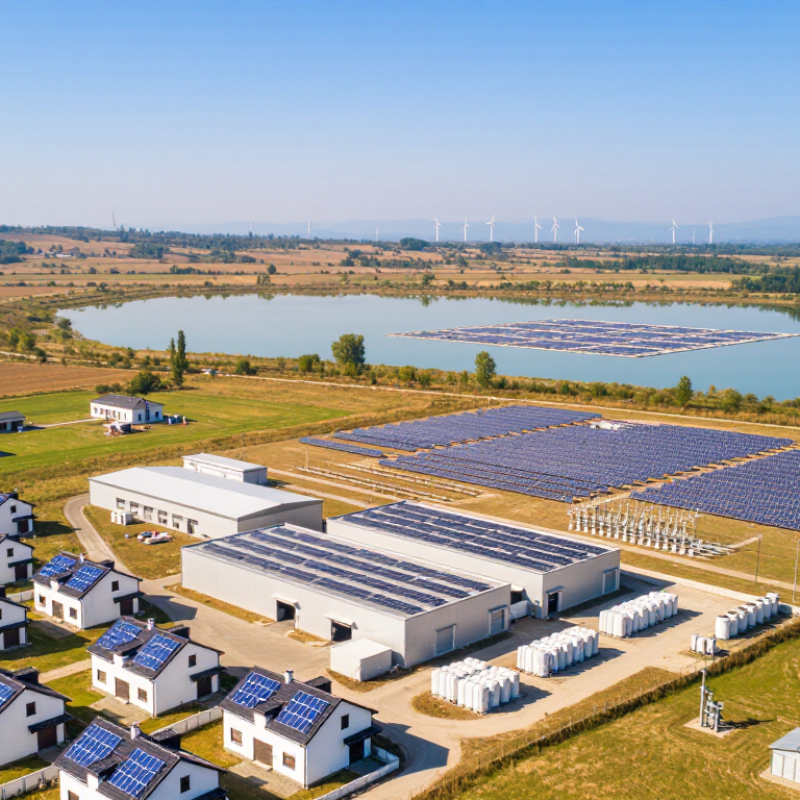
This guide introduces ten practical solar energy solutions for residential, commercial, industrial, agricultural, and remote applications. It considers rooftop PV, utility-scale plants, floating solar, off-grid systems, solar-plus-storage, and other widely used configurations. A cold-storage warehouse may need high daytime output and battery support after sunset. A rural clinic may prioritize dependable power, simple controls, and replacement parts nearby. A large utility project may focus on land use, transmission access, and long-term performance guarantees. Real procurement is rarely tidy. A lower equipment price can hide higher installation, logistics, or service costs.
The comparison therefore looks beyond panel efficiency. It addresses system design, energy storage, warranties, monitoring, safety, lifecycle value, and supplier credibility. Buyers should verify performance claims against independent testing and local operating conditions. Weather data, roof structure, dust levels, and seasonal demand can change the result. Some assumptions will age quickly. Even reputable forecasts contain uncertainty. The goal is not to promote one universal technology, but to help buyers identify a credible solution for each specific energy challenge.
Solar Energy Solutions: Definition, Scope, and Global Buyer Considerations
Solar energy solutions convert sunlight into electricity, heat, or useful mechanical power. The main types include rooftop photovoltaic systems, utility-scale solar farms, off-grid kits, hybrid systems, solar water heaters, solar pumps, solar street lights, portable units, floating solar, and agrivoltaic installations. Each option serves a different operating environment.
Global buyers should assess sunlight levels, daily load, land availability, grid reliability, storage needs, and local installation skills. A tropical market may need corrosion-resistant components and strong drainage. A remote clinic may value battery autonomy more than peak output. Ask for test reports, safety certifications, performance warranties, spare-parts plans, and clear delivery terms. These details often matter more than the panel’s headline efficiency. In project reviews, I have seen attractive quotations fail because maintenance responsibilities were unclear. That is an uncomfortable lesson.
Tips: Compare total lifecycle cost, not only the purchase price. Check whether batteries tolerate local temperatures. Confirm voltage, frequency, and grid-connection rules before ordering. Request realistic production estimates using seasonal weather data. Leave room for expansion, but avoid buying oversized equipment without a measured load profile. Some buyers also overlook cleaning access and theft protection. Small omissions can become expensive.
A reliable solution balances technical performance, finance, safety, and after-sales support. Independent engineering advice can reduce risk, especially where standards and climate conditions differ. Solar is not automatically simple. Good planning makes it practical.
| No. | Solar Energy Solution | Definition and Scope | Typical Applications | Indicative System Scale | Key Benefits | Important Buyer Considerations | Best-Fit Market Conditions |
|---|---|---|---|---|---|---|---|
| 1 | Residential Rooftop Solar PV | Photovoltaic modules installed on homes to convert sunlight directly into electricity. Systems may be grid-connected, battery-backed, or designed for self-consumption. | Household electricity, home offices, electric vehicle charging, and backup for essential loads. | Approximately 1–20 kW for many homes, depending on roof area, electricity demand, and local regulations. | Reduces grid purchases Uses existing roof space Modular expansion | Roof orientation and structural condition, shading, local net-metering rules, inverter type, battery requirements, installer qualifications, warranties, and permitting. | Detached or low-rise homes with suitable roofs, reliable solar irradiation, and moderate-to-high retail electricity prices. |
| 2 | Commercial and Industrial Rooftop Solar PV | Medium- to large-scale PV arrays installed on commercial, institutional, warehouse, or factory roofs to offset daytime electricity consumption. | Factories, logistics centers, shopping facilities, schools, hospitals, offices, and agricultural buildings. | Commonly tens of kilowatts to several megawatts, subject to roof size, electrical capacity, and interconnection limits. | Daytime load matching Lower operating costs Minimal land use | Roof load capacity, waterproofing, fire access, maintenance access, demand charges, power-quality requirements, export limits, and project financing structure. | Businesses with large daytime loads, broad roofs, high electricity tariffs, and long facility occupancy periods. |
| 3 | Utility-Scale Solar PV Farms | Large ground-mounted photovoltaic power plants that supply electricity to the wholesale market, utilities, or corporate offtakers. | Grid-scale generation, power purchase agreements, public renewable-energy programs, and corporate clean-energy procurement. | Usually several megawatts to hundreds of megawatts or more; land requirements vary with design, terrain, and tracking technology. | Economies of scale High generation capacity Suitable for long-term contracts | Solar resource quality, land rights, environmental approvals, grid connection, transmission capacity, curtailment risk, financing, module degradation, and construction schedule. | Regions with strong solar resources, available land, adequate transmission infrastructure, and stable energy procurement frameworks. |
| 4 | Floating Solar PV | PV modules mounted on floating structures placed on reservoirs, quarry lakes, irrigation ponds, or other suitable bodies of water. | Reservoirs near hydropower facilities, water utilities, irrigation infrastructure, and industrial ponds. | From small demonstration systems to projects exceeding 100 MW, depending on waterbody size and permitting. | Conserves land May reduce water evaporation Potentially cooler module operation | Water-level variation, anchoring and mooring, wind and wave conditions, water-quality impacts, corrosion, access for maintenance, aquatic permits, and electrical safety. | Waterbodies with limited competing uses, manageable wind exposure, stable water levels, and nearby grid infrastructure. |
| 5 | Solar-Plus-Storage Systems | A solar PV system integrated with battery energy storage to shift solar electricity to later hours, manage power demand, or provide backup service. | Homes, commercial buildings, microgrids, remote facilities, peak shaving, backup power, and renewable-energy integration. | From a few kilowatt-hours for homes to multi-megawatt-hour systems for commercial and grid applications. | Improves self-consumption Backup capability Peak-demand management | Usable energy versus nominal capacity, power rating, cycle life, round-trip efficiency, thermal management, fire safety, operating temperature, replacement planning, and battery recycling. | Areas with unreliable grids, time-of-use tariffs, high demand charges, frequent outages, or restrictions on exporting solar power. |
| 6 | Off-Grid Solar Home and Community Systems | Standalone solar electricity systems that operate without a permanent connection to a central utility grid, usually with batteries and energy-management controls. | Rural homes, schools, health posts, telecommunications sites, disaster-relief facilities, and isolated communities. | From small systems below 1 kW to community systems from several kilowatts to hundreds of kilowatts. | Electrifies remote areas Independent operation Rapid deployment | Load assessment, battery autonomy, seasonal solar variation, spare-parts availability, local technical support, productive-use demand, system security, and payment or service models. | Locations where grid extension is costly, slow, technically difficult, or unlikely to reach customers in the near term. |
| 7 | Solar Mini-Grids | Localized electricity networks supplied by solar generation, batteries, and sometimes complementary generators, serving multiple users in an area. | Villages, island communities, rural businesses, agro-processing facilities, schools, clinics, and local public services. | Typically several kilowatts to several megawatts, depending on the number of users and productive loads. | Community-scale reliability Supports productive use Expandable network | Demand forecasting, tariff design, ownership and operations, network protection, battery sizing, local governance, spare parts, collection methods, and future grid interconnection. | Dense rural settlements or economic clusters with sufficient demand but no reliable central-grid service. |
| 8 | Solar Water Pumping Systems | Solar-powered pumping equipment that uses PV electricity to move water for drinking-water supply, irrigation, livestock, or water treatment. | Agricultural irrigation, community water supply, livestock watering, groundwater systems, and remote water infrastructure. | Small household pumps may use hundreds of watts; agricultural and community systems can range from several kilowatts to larger installations. | Low fuel dependence Low daytime operating cost Useful in remote areas | Water source and yield, total dynamic head, required flow rate, dry-run protection, seasonal demand, storage-tank sizing, water rights, pump efficiency, and theft protection. | Sunny regions with daytime water demand, adequate water resources, and expensive or unreliable diesel or grid electricity. |
| 9 | Solar Thermal Water Heating | Systems that collect solar heat to warm domestic or process water, commonly using flat-plate or evacuated-tube collectors with a storage tank. | Homes, hotels, hospitals, dormitories, sports facilities, laundries, and industrial hot-water processes. | Residential systems often use roughly 100–300 liters of storage; commercial installations may be much larger and customized. | Reduces water-heating fuel use High useful-heat efficiency Pairs with backup heaters | Hot-water demand profile, collector orientation, freeze protection, overheating control, water hardness, corrosion, pressure rating, storage capacity, and backup-heater integration. | Buildings with consistent hot-water demand and adequate roof or ground space in sunny or moderately sunny climates. |
| 10 | Agrivoltaics and Solar Canopies | Solar PV installed above agricultural activities, parking areas, walkways, or other dual-use spaces while retaining the underlying land function. | Crop production, grazing, parking facilities, pedestrian areas, transport hubs, commercial sites, and water canals. | Small site installations may be tens or hundreds of kilowatts; larger agricultural or parking projects can reach multiple megawatts. | Dual land use Shade and weather protection Potentially reduces land conflict | Crop and livestock compatibility, structure height, agricultural machinery access, wind and snow loads, drainage, glare, construction cost, land-use permissions, and impact on yields. | Regions where land is costly or constrained and where agricultural, parking, or public-space functions can be integrated with elevated PV structures. |
Related Posts
-
How to Get Free Solar Panels in 2026?
-
What Are the Best Residential Solar Panels from China?
-
10 Essential Tips for Choosing Domestic Solar Panels Effectively?
-
How to Choose Solar Power Panels for Your Home?
-
How to Get Free Solar Panels for Your Home and Save on Energy Costs?
-
How to Effectively Implement Solar Design in Your Home?