How to Effectively Implement Solar Design in Your Home?
As global energy demands rise, solar design has emerged as a vital solution for sustainable living. According to the International Energy Agency, solar power could provide over 20% of global electricity by 2040. This reflects a growing recognition of the benefits that solar design offers, not only in reducing carbon footprints, but also in cutting energy costs.
Many homeowners are embracing solar design to enhance energy efficiency. A report from the National Renewable Energy Laboratory indicates that homes with solar installations can save an average of $20,000 over 20 years. This prompts homebuilders and architects to integrate solar features that maximize these benefits. However, solar design is not without its challenges. Misjudgments in geographic orientation or panel selection can negate potential savings.
Investing in solar design requires careful planning and expert advice. Some homeowners may overlook the importance of proper site assessment or fail to consider local regulations. To be effective, one must combine technical knowledge with practical insights. This balance is crucial in ensuring that solar design achieves its intended goals.
Understanding the Basics of Solar Design for Residential Spaces
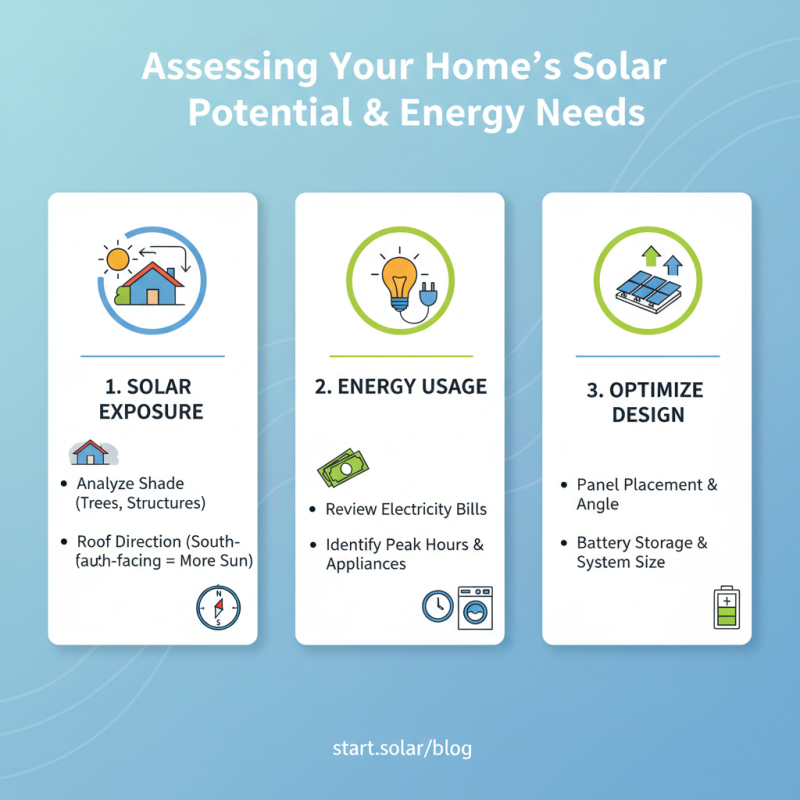
Solar design in residential spaces involves understanding a few key principles. It’s more than just placing panels on your roof. Residential areas require careful planning to maximize efficiency. Start by analyzing your home’s orientation and its surroundings. The positioning of trees or buildings can cast shadows, reducing solar effectiveness.
Next, consider energy needs. Evaluate your household consumption patterns. This helps determine the size and number of solar panels required. It’s important to remember that solar energy is not a one-size-fits-all solution. Each home has unique characteristics that may require different approaches.
Think about aesthetics too. Integrating solar design into your home’s architecture can enhance its overall appearance. However, it can be challenging. You might face local regulations or community resistance. Be prepared for setbacks. It's essential to seek professional advice tailored to your situation. Balancing functionality with design is vital in achieving an effective solar solution for your home.
Choosing the Right Solar Technology and System Type
When choosing the right solar technology for your home, several factors come into play. One important aspect is the type of solar panel.
Photovoltaic (PV) panels convert sunlight into electricity. They are popular due to their efficiency and adaptability.
In contrast, solar thermal systems focus on heating water. These can be ideal for homes that need hot water year-round.
Consider the orientation and size of your roof. A south-facing roof often captures the most sunlight. However, not every home has this advantage.
Trees and buildings can create shade, reducing efficiency. It’s essential to assess your specific situation. This information guides the right choice for your needs.
Battery storage is another factor worth exploring. Solar systems with batteries can store excess energy for later use. This can be especially useful during cloudy days or at night.
However, battery systems can be expensive. Weighing the initial costs against long-term savings is crucial.
Therefore, a careful evaluation of your energy needs will help determine the best approach.
Integrating Solar Design with Existing Home Architecture
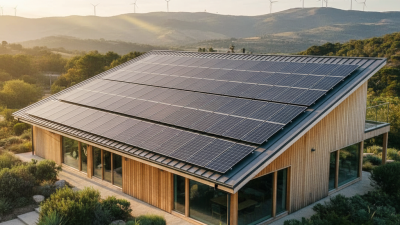
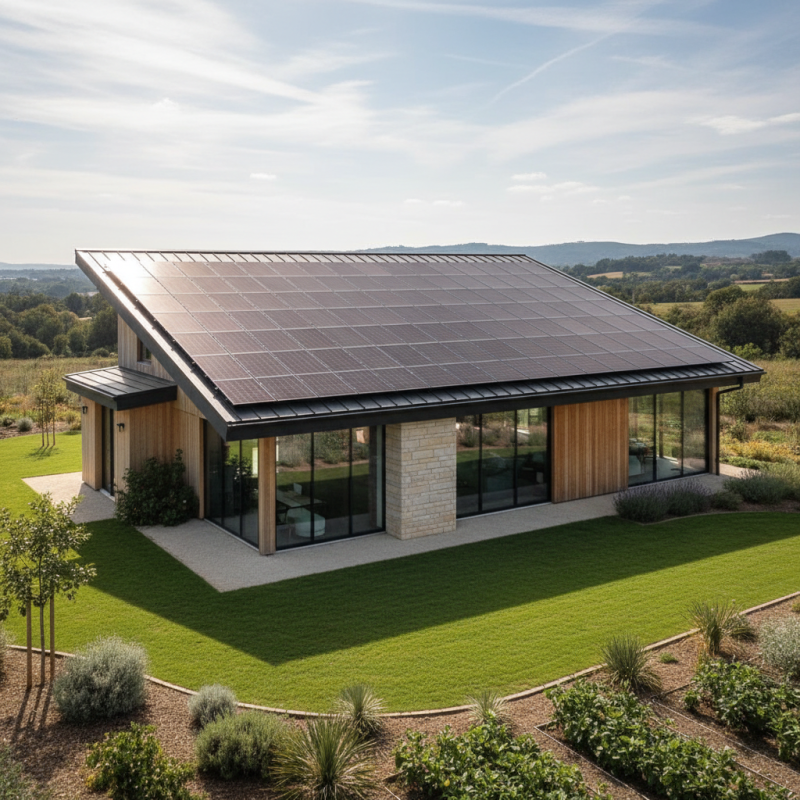
Integrating solar design into your home’s architecture can be challenging, yet rewarding. The key is to find harmony between new solar elements and existing structures. Consider your roof’s pitch and orientation. These factors influence energy production but can clash with aesthetic styles. For instance, a modern solar panel setup may not suit a historical home. Thoughtful design choices matter here.
Choose materials that complement your home’s character. For example, solar shingles can blend in more seamlessly than traditional panels. Natural skylights can add solar efficiency while enhancing indoor lighting. Each choice reflects your commitment to sustainability and design. Transparency in planning is crucial. Engage with architects familiar with solar integration for expert guidance. Their experience can help assess structural limitations and opportunities.
Reflect on potential obstacles as well. Some homeowners face restrictions from local guidelines on visible solar installations. Others worry about maintenance challenges. A clear understanding of these concerns will foster effective solutions. Balancing solar technology with architectural integrity requires creativity and collaboration. This integration is not just about energy savings; it’s an opportunity to innovate.
How to Effectively Implement Solar Design in Your Home?
| Aspect |
Description |
Benefits |
Considerations |
| Solar Panels |
Photovoltaic panels that convert sunlight into electricity. |
Reduces electricity bills and carbon footprint. |
Requires roof space and sunny location. |
| Solar Water Heating |
System that uses solar energy to heat water for domestic use. |
Lowers water heating costs and provides hot water consistently. |
System maintenance and initial installation costs can be high. |
| Solar Roof Tiles |
Aesthetic roofing option that integrates solar technology. |
Enhances home aesthetics while generating power. |
Higher upfront costs compared to traditional roofing. |
| Passive Solar Design |
Design principles that use sunlight for heating and lighting. |
Improves energy efficiency without mechanical systems. |
Requires careful planning and may depend on the local climate. |
| Energy Storage Systems |
Batteries that store excess energy generated by solar systems. |
Provides power during outages and maximizes solar usage. |
Batteries can be expensive and have a finite lifespan. |
Navigating Local Regulations and Incentives for Solar Installation
Navigating local regulations and incentives for solar installation can be tricky. Each municipality has its own set of rules. Understanding the requirements for permits, inspections, and installations is crucial. You may need a specific permit for installing solar panels on your roof. Failing to comply with zoning laws can delay your project.
Incentives can significantly reduce your costs. According to the U.S. Department of Energy, over 30 states offer tax credits for solar installations. Some areas provide rebates that can lower your upfront expenses. Researching these options is essential. Not all programs are the same. Some have deadlines or are funded on a first-come basis.
Community solar programs can be another route. These programs allow you to purchase or lease a portion of a larger solar array. This option is particularly valuable for those who cannot install panels at home. However, understanding the agreements and benefits can be complex. Local utility companies play a significant role in these programs. Some areas implement net metering policies, which allow you to receive credit for excess energy produced. Knowing when and how to apply for these incentives can be a challenge, but the potential savings are significant.