

10 Solar System Installation Tips for Global Buyers
Planning a solar system installation across different countries requires more than choosing panels and comparing prices. Roof structure, sunlight, temperature, grid rules, and local workmanship can change the result. A system that performs well in Arizona may need different equipment in coastal Indonesia or northern Germany.
Dr. Steven Strong, a respected solar design pioneer, once said, “The sun is the only nuclear reactor we can safely use.” His observation reminds global buyers to respect the energy source and the conditions around it. Good planning begins with a site inspection, not a sales brochure. Check roof age, shading from trees, cable routes, drainage, and access for maintenance. Measure shadows during different seasons when possible. Small details matter.
Ask installers for documented experience with similar climates and system sizes. Confirm product certifications, warranty terms, inverter compatibility, monitoring functions, and replacement procedures. Battery storage also deserves careful review. Heat can reduce battery performance, while poor ventilation may shorten service life. These risks are easy to underestimate.
Do not assume the largest system is the best system. Electricity demand may change after installation. A growing family, electric vehicle, or new business equipment can alter the design. I have seen buyers focus heavily on panel output while overlooking installation quality and after-sales support. That is a costly weakness.
A reliable solar system installation should include clear drawings, realistic energy estimates, safety testing, and a practical maintenance plan. Results will not always match the brochure. Weather changes. Equipment ages. Good decisions leave room for that uncertainty.
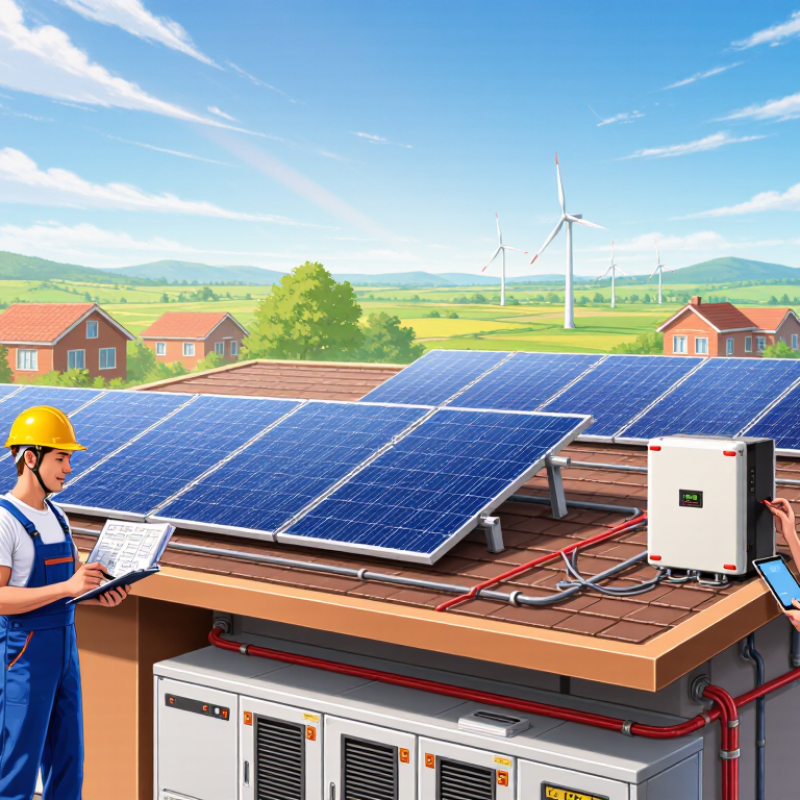
Assess Energy Needs, Budget, and Local Solar Conditions
10 Solar System Installation Tips for Global Buyers
Assess energy needs before comparing panels or inverters. Review twelve months of electricity bills, not one unusually high month. Measure daytime loads, evening demand, seasonal changes, and planned equipment. A small clinic may need stable power after sunset. A warehouse may mainly need daytime generation.
The International Energy Agency reported nearly 510 gigawatts of renewable capacity additions in 2023. Solar photovoltaic systems represented roughly three quarters of that growth. Falling equipment prices do not guarantee a low project cost. Include mounting, wiring, permits, shipping, taxes, labor, monitoring, and battery replacement. IRENA reported a 2023 global weighted average utility-scale solar cost of about 4.4 US cents per kilowatt-hour. Residential economics can differ sharply.
Local solar conditions deserve careful checking. Compare satellite estimates with on-site shading, roof direction, dust, snow, humidity, and high temperatures. The World Bank’s Global Solar Atlas can support early screening, but it cannot inspect a nearby chimney. Heat reduces module output, while dust can quietly increase cleaning costs. Check grid reliability, export rules, currency risk, and local service capacity. A spreadsheet may still lie. Recalculate with conservative production assumptions and a higher maintenance allowance. National laboratory modeling tools can help, yet local measurements remain imperfect. That uncertainty should appear in the budget, not disappear in optimistic payback claims.
10 Solar System Installation Tips for Global Buyers - Assess Energy Needs, Budget, and Local Solar Conditions
| Tip | Assessment Dimension | Useful Data or Benchmark | Recommended Action | Key Risk to Check |
|---|---|---|---|---|
| 1 | Measure electricity demand | Review at least 12 months of utility bills. Identify average daily use, peak demand, seasonal changes, and high-load appliances. | Create a load profile in kilowatt-hours per day and separate essential loads from flexible or non-essential loads. | Using annual average consumption alone may cause the system to be undersized during hot or cold seasons. |
| 2 | Estimate local solar resource | Typical annual average peak-sun-hours range from about 2 to 6 hours per day, depending on location, climate, and season. | Use a location-specific solar assessment and model monthly production rather than relying on a national average. | Cloud cover, haze, monsoon periods, snow, and high temperatures can substantially reduce output. |
| 3 | Size the photovoltaic array | A practical planning formula is: Array size (kW) = daily energy target ÷ (peak-sun-hours × performance ratio). A performance ratio of approximately 0.75–0.85 is commonly used for early estimates. | Include losses from temperature, wiring, inverter conversion, dirt, mismatch, and system availability in the calculation. | Oversimplified calculations can overstate expected generation by ignoring real-world system losses. |
| 4 | Check roof or ground area | A solar array commonly needs approximately 6–10 m² per installed kW when module spacing, access paths, and irregular roof areas are included. | Confirm usable area, roof orientation, shading, structural condition, drainage, and maintenance access before final sizing. | Chimneys, parapets, trees, nearby buildings, and future construction can create partial shading. |
| 5 | Set the budget realistically | Total installed cost may include modules, inverter, mounting, protection equipment, labor, permits, shipping, taxes, monitoring, and commissioning. Installation prices vary widely by country and site. | Request itemized quotations and compare the cost per installed watt, warranty terms, expected production, and maintenance requirements. | A low equipment price may exclude engineering, grid approval, replacement parts, freight, or local taxes. |
| 6 | Choose battery capacity by load priority | Usable battery capacity can be estimated as: critical daily load × desired backup days ÷ usable depth of discharge. For example, a battery rated for 10 kWh with an 80% usable depth of discharge provides about 8 kWh of usable energy. | Define whether the battery is for evening shifting, short outages, or multi-day backup before selecting capacity. | Rated capacity is not the same as usable capacity; temperature, aging, power limits, and reserve settings also matter. |
| 7 | Match inverter power to loads | Inverter continuous output should cover simultaneous essential loads, while surge capacity should support motors, pumps, compressors, and other starting loads. | List the running watts and starting watts of major appliances and confirm the inverter’s operating voltage and frequency. | High starting currents can trip protection devices or prevent large appliances from starting during an outage. |
| 8 | Verify local electrical requirements | Grid-connected systems must comply with local rules for voltage, frequency, anti-islanding protection, earthing, disconnects, metering, and export limits. | Confirm the approval process with the relevant utility or authority before purchasing equipment. | Equipment designed for one electrical standard may not be permitted or compatible in another country. |
| 9 | Plan for climate and installation conditions | Solar modules generally produce less power at high operating temperatures. Coastal salt, humidity, dust, heavy snow, hail, and strong wind require suitable materials and mounting methods. | Specify corrosion resistance, wind and snow-load ratings, waterproof cable routing, ventilation, and cleaning access according to the site climate. | Environmental exposure can accelerate corrosion, reduce output, or shorten the service life of electrical components. |
| 10 | Evaluate lifecycle value and maintenance | Photovoltaic output gradually declines over time; many modern modules are planned around an annual degradation rate of roughly 0.3–0.8%, depending on technology and operating conditions. | Compare expected annual energy, degradation assumptions, warranty coverage, monitoring, cleaning needs, spare parts, and end-of-life recycling options. | Comparing systems only by purchase price can hide higher operating costs and lower long-term energy yield. |
Planning figures are general industry benchmarks for preliminary assessment. Final system design should use a site survey, local solar data, structural review, electrical calculations, and applicable regulations.
Related Posts
-
What Is Solar System Installation and How Does It Work?
-
Top 10 Solar Panel Types to Install for Global Buyers
-
2026 Best Solar Panels How Much Does It Cost to Install Solar?
-
Why Are Solar Panels Popular in Australia?
-

10 Best Home Solar Panel Systems for Affordable Energy Savings?
-
10 Essential Tips for Installing Your Solar Panel System Successfully