| Basic Concept |
Solar system installation |
The process of designing, mounting, connecting, testing, and commissioning equipment that converts sunlight into usable electricity. |
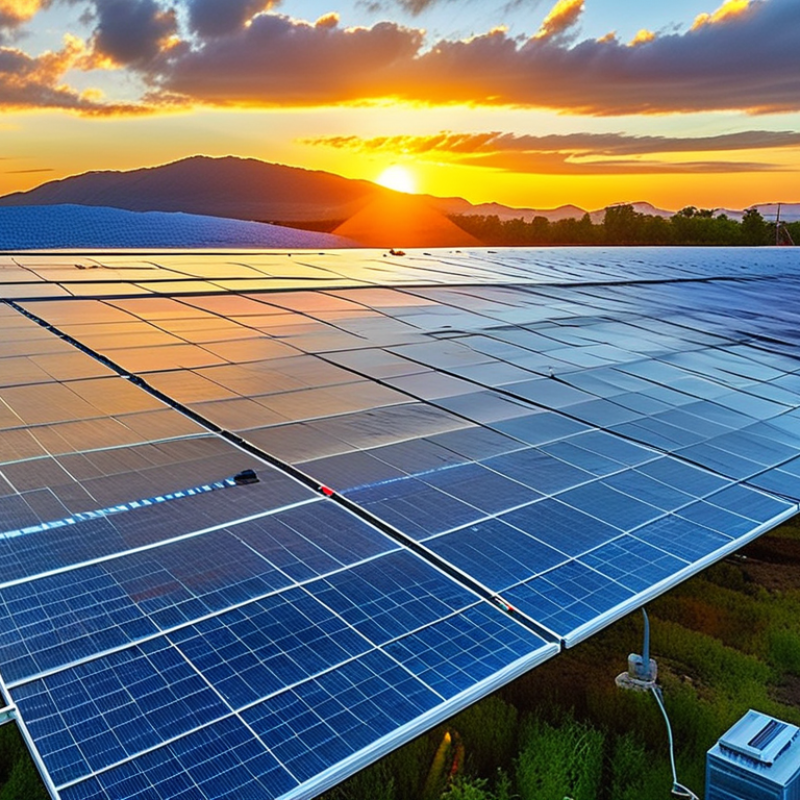
Solar panels capture sunlight, electrical equipment converts and manages the energy, and the system supplies a building, battery storage, or the utility grid. |
A complete installation includes both generation equipment and electrical safety components. |
| Primary Purpose |
On-site electricity generation |
To produce electricity close to where it is consumed. |
Direct-current electricity from the panels is converted into alternating-current electricity for household or commercial loads. |
Energy production varies with sunlight, shading, panel orientation, weather, and system design. |
| Energy Source |
Sunlight |
Solar radiation provides the energy used by photovoltaic cells. |
Photovoltaic cells create an electric current when photons transfer energy to electrons in a semiconductor material. |
Solar panels can generate electricity on cloudy days, although output is generally lower than under direct sunlight. |
| Generation Component |
Photovoltaic panels |
Panels contain interconnected photovoltaic cells that generate direct-current electricity. |
Multiple panels are connected into strings and arranged in an array to achieve the required voltage and power capacity. |
Panel output is commonly rated in watts under standardized test conditions. |
| Mounting Structure |
Racking and supports |
Mechanical hardware that secures panels to a roof, ground structure, or other approved surface. |
The structure maintains panel position, allows appropriate tilt or orientation, and transfers wind and snow loads to the supporting surface. |
Mounting design depends on roof type, structural capacity, local wind conditions, and installation angle. |
| Power Conversion |
Inverter |
An electrical device that converts direct current from the panels into alternating current used by most buildings and the utility grid. |
The inverter also monitors voltage, frequency, system performance, and grid-related operating conditions. |
Many grid-connected systems automatically stop supplying power to the grid during an outage unless approved backup equipment is installed. |
| System Optimization |
Maximum power point tracking |
A control function that adjusts operating conditions to obtain the greatest available power from the solar array. |
The inverter or associated electronics continuously respond to changing sunlight and temperature conditions. |
Optimization helps reduce the effect of uneven shading or different panel operating conditions. |
| Energy Storage |
Battery system |
A rechargeable storage system that stores surplus electricity for later use. |
During periods of high solar production, excess energy charges the battery; stored energy can be used when production is low or during selected backup conditions. |
Battery capacity is measured in kilowatt-hours, while charging and discharging power is measured in kilowatts. |
| Electrical Protection |
Disconnects, breakers, and overcurrent protection |
Devices used to isolate equipment and protect circuits from faults or excessive current. |
Protection equipment allows maintenance personnel and emergency responders to disconnect parts of the system safely. |
Equipment ratings and placement must comply with applicable electrical codes and local requirements. |
| Grid Connection |
Utility interconnection |
The physical and administrative connection between a solar installation and the electricity grid. |
When permitted, excess electricity can flow to the grid, while the building can draw electricity from the grid when solar production is insufficient. |
Interconnection procedures, metering rules, and export arrangements differ by location. |
| Energy Measurement |
Electric meter and monitoring system |
Equipment that records electricity imported from or exported to the grid and tracks system performance. |
Monitoring may display power production, energy consumption, battery status, and fault notifications. |
Energy is typically measured in kilowatt-hours, while instantaneous power is measured in kilowatts. |
| Site Assessment |
Roof, ground, and shading evaluation |
An inspection of the proposed installation area and its solar access. |
Designers evaluate available area, structural condition, orientation, tilt, shading, access, and cable routes before finalizing the system. |
Shading from trees, buildings, or roof features can reduce energy production and may require layout adjustments. |
| System Design |
Capacity planning |
The process of selecting array size, inverter capacity, storage capacity, and electrical configuration. |
Designers compare expected electricity demand with solar resource, available space, equipment limits, and applicable regulations. |
Installed capacity does not equal annual energy production; production depends on local conditions and system losses. |
| Installation Sequence |
Mounting, wiring, and commissioning |
The practical stages used to assemble and activate the system. |
Installers secure the supports, attach panels, route cables, connect electrical equipment, verify protection devices, and perform operational tests. |
Commissioning confirms that voltage, polarity, grounding, communications, and safety functions operate as designed. |
| Safety |
Grounding and bonding |
Electrical connections that help reduce shock risk and provide a controlled path for fault current. |
Metallic equipment and designated electrical conductors are connected according to the system design and applicable electrical standards. |
Only qualified personnel should install, inspect, or service energized solar electrical equipment. |
| Performance Factors |
Orientation, tilt, temperature, and losses |
Conditions that influence how much electricity the system produces. |
Designers consider sunlight availability, panel temperature, inverter efficiency, cable losses, dirt, snow, and shading when estimating output. |
Actual production is normally lower than the panel nameplate total because real operating conditions vary. |
| Maintenance |
Inspection and performance checks |
Periodic activities used to keep the installation operating safely and effectively. |
Maintenance may include visual inspections, monitoring alerts, electrical testing, vegetation control, and cleaning when site conditions justify it. |
Solar panels generally have no moving parts, but wiring, mounting hardware, inverters, and batteries still require attention. |
| Expected Outcome |
Reduced grid electricity consumption |
Using solar-generated electricity to reduce the amount of electricity purchased from the grid. |
Solar energy serves available loads first; surplus electricity may charge a battery or be exported when the system and local rules allow it. |
Financial savings depend on system cost, electricity rates, local policies, financing, energy use, and long-term performance. |