China Best Innovations in Solar Energy World for Sustainable Future?
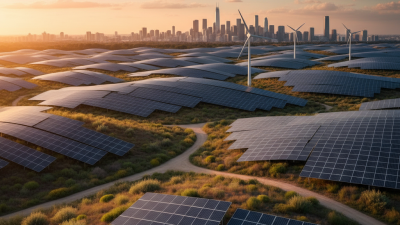
The solar energy world is rapidly evolving, with China at the forefront of innovation. Harnessing solar energy is crucial for a sustainable future. China has made impressive strides in technology and deployment. Solar energy not only provides power but also reduces carbon emissions significantly.
However, challenges persist in this growing market. Some innovations face criticism for their environmental impact during manufacturing. Additionally, the reliance on certain materials raises concerns. Despite this, China's commitment to solar advancements demonstrates its dedication to sustainability. Emerging technologies promise more efficient energy conversion and storage solutions.
As the solar energy world navigates these complexities, China seeks to balance progress with environmental stewardship. The journey reflects both achievement and areas needing improvement. Ongoing dialogue and research are essential to ensure a truly sustainable future.
China's Solar Energy Landscape: An Overview of Key Innovations
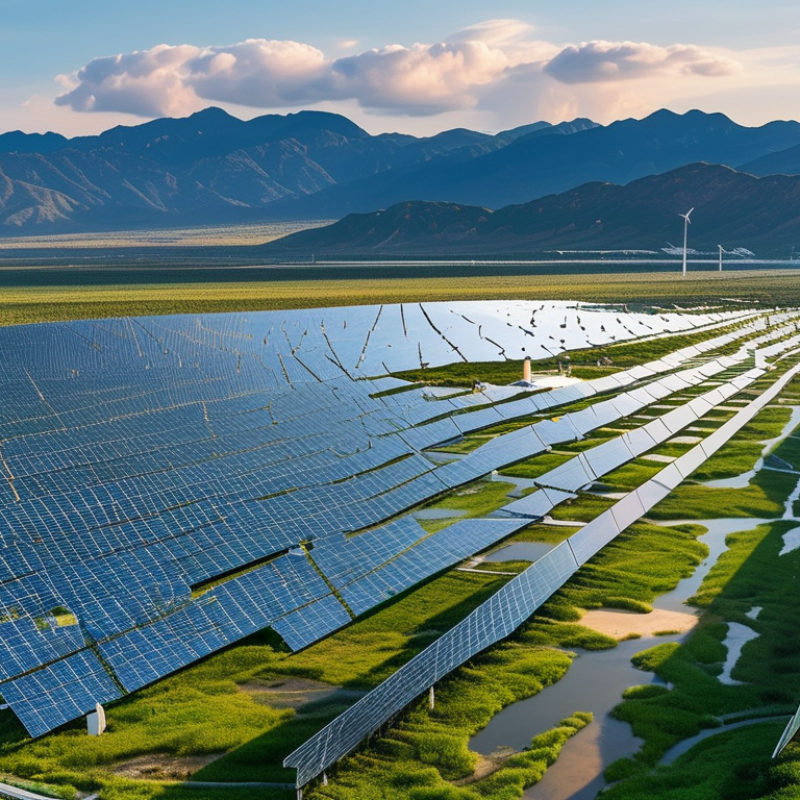
China's solar energy landscape is rapidly evolving. Innovations in technology play a crucial role in this transformation. According to the International Energy Agency (IEA), China accounted for over 50% of global solar capacity in 2020. Recent advancements involve more efficient photovoltaic cells and large-scale solar farms. These innovations boost energy output while reducing costs.
Research from the National Renewable Energy Laboratory (NREL) highlights that China's perovskite solar cells can achieve efficiencies exceeding 25%. This surpasses traditional silicon cells, which hover around 20% efficiency. However, challenges remain. Manufacturing these cells at scale presents hurdles, including stability and long-term reliability. Addressing these issues is essential for sustainable growth.
Moreover, China's investment in energy storage systems enhances solar energy's integration into the grid. A report by Wood Mackenzie notes that energy storage deployment in China is expected to double over the next five years. This shift promises to address intermittency issues associated with solar power. While progress is promising, ongoing research and development efforts are crucial for maximizing these innovations' potential.
Advancements in Photovoltaic Technology: China's Leading Contributions
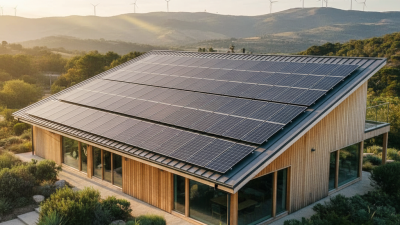
China has emerged as a leader in photovoltaic technology. This progress is crucial for sustainable energy production. The country has made significant strides in solar cell efficiency and manufacturing techniques. Innovations like bifacial solar panels and PERC technology are noteworthy. These advancements enhance energy capture and overall efficiency.
Tips: Consider the local climate when choosing solar solutions. Regions with higher sun exposure benefit the most. Understand the potential limitations of current technologies. For instance, recycling solar panels is still a developing process.
China's commitment to expanding solar power infrastructure is commendable. Projects throughout urban and rural areas demonstrate this dedication. However, there are challenges to consider. The reliance on certain materials can raise environmental concerns. Exploring alternative materials could help create a more sustainable future.
Integrating Solar Energy into Smart Grids: China's Strategies and Practices
China is making significant strides in integrating solar energy into smart grids. This integration is essential for a sustainable future. Smart grids optimize energy distribution, improving efficiency and reducing wastage. Data analytics plays a crucial role in managing energy flow. It helps balance supply and demand in real-time, something traditional grids struggle with.
Charging stations for electric vehicles are on the rise. They harness solar power, offering cleaner alternatives. These initiatives reveal a commitment to reducing carbon footprints. However, challenges exist. Not all regions benefit equally from solar energy due to geographical differences. Moreover, outdated infrastructure can hinder progress.
Collaboration among government bodies, tech firms, and researchers drives innovation. Pilot projects showcase promising results, yet scalability remains an issue. Addressing energy storage is vital for harnessing solar power effectively. Exploring battery technologies and their applications will be key. China's journey in this field is fascinating yet complex, reflecting the need for ongoing improvement and adaptability.
China Best Innovations in Solar Energy World for Sustainable Future
| Innovation Type |
Description |
Implementation Status |
Impact on Sustainability |
| Solar Photovoltaic Technology |
Advanced solar cells for increased efficiency and reduced costs. |
Widely Adopted |
Reduces carbon footprint and reliance on fossil fuels. |
| Solar Thermal Energy |
Utilizing solar heat for electricity generation and heating. |
Developing |
Improves energy efficiency in residential and industrial sectors. |
| Energy Storage Solutions |
Innovations in battery technologies for solar energy storage. |
In Progress |
Facilitates the integration of renewable energy into the grid. |
| Smart Grid Technology |
Integration of renewable sources into smart grid systems for better management. |
Operational |
Enhances grid reliability and reduces energy wastage. |
| Floating Solar Farms |
Solar panels installed on bodies of water to optimize space and efficiency. |
Pilot Projects |
Conserves land and reduces evaporation from water bodies. |
| Solar Microgrids |
Localized grid systems powered by solar energy for remote areas. |
Emerging |
Increases energy access in rural locations and reduces transmission losses. |
Government Policies Supporting Solar Innovation in China
China has been a leader in solar energy innovation, driven by robust government policies. The country aims to achieve carbon neutrality by 2060. This ambitious target has led to significant investments in solar technologies. According to a report from the International Energy Agency (IEA), China's solar capacity reached 253 GW in 2021, accounting for nearly 43% of the global total. This growth highlights the effectiveness of government initiatives in promoting solar energy.
The Chinese government has implemented various policies to foster solar innovation. Subsidies for solar panel production have made technology more accessible. Furthermore, tax incentives encourage both businesses and individuals to invest in renewable energy. The National Energy Administration (NEA) has set a goal to produce 1,200 GW of solar power by 2030. However, challenges remain, such as land allocation and the energy storage system’s current limitations.
While these policies have propelled growth, some issues need attention. Local governments sometimes prioritize short-term economic gains over long-term sustainability. This leads to uneven progress across regions. Data also shows a rise in the market for solar waste management as installations increase. A coordinated effort is required to ensure a truly sustainable path forward.
Global Impact of China's Solar Innovations on Sustainable Development
China's solar energy innovations have reshaped the global landscape for sustainable development. By 2022, China's solar capacity reached approximately 306 gigawatts, accounting for over 40% of the world's total. This rapid growth demonstrates China's commitment to renewable energy. In recent years, they have pioneered advanced solar technologies, such as bifacial panels, which can capture sunlight from both sides, increasing efficiency by up to 20%. This is critical as the world strives to reduce carbon emissions.
The impact of these innovations extends far beyond China’s borders. Countries with limited access to energy benefit from affordable solar technology. Reports indicate that solar energy can reduce energy costs by 30% in developing nations. However, dependence on solar technology also poses challenges. Issues like recycling solar panels remain unresolved, and many countries still face regulatory hurdles. While solar innovations are promising, a unified global strategy is essential for long-term sustainability.
Investment in research and development is crucial. According to the International Energy Agency, an estimated $4 trillion will be needed globally by 2030 to achieve clean energy goals. China’s advancements could unlock significant progress. However, stakeholders must critically assess the broader implications of solar dependencies and work collaboratively to address potential pitfalls in implementation.