Top Benefits of PV Solar Panels for Sustainable Energy Solutions?
The growing adoption of PV solar panels is transforming energy solutions worldwide. According to a report by the International Energy Agency (IEA), solar photovoltaics account for 60% of total renewable energy growth. This revolution offers significant environmental benefits and economic advantages. As the focus shifts towards sustainable energy, experts stress the importance of PV solar panels in reducing carbon footprints.
David Hochschild, Chair of the California Energy Commission, stated, "Embracing solar technology is key in our fight against climate change." His insight reflects the pressing need to innovate how we produce energy. Beyond environmental impact, PV solar panels provide long-term savings for both consumers and businesses. Critics note challenges such as upfront costs and energy storage issues that need addressing.
Overall, while PV solar panels present remarkable opportunities, their advancement should encourage ongoing reflection on integration and efficiency. By overcoming barriers, we can harness their full potential for a sustainable future.
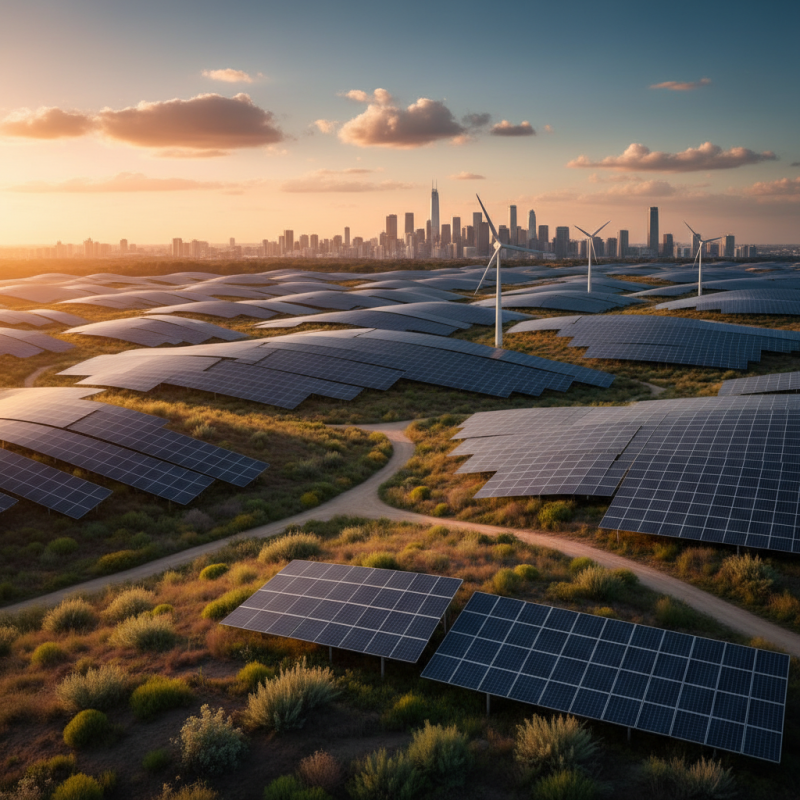
Benefits of PV Solar Panels for Reducing Carbon Footprint and Emissions
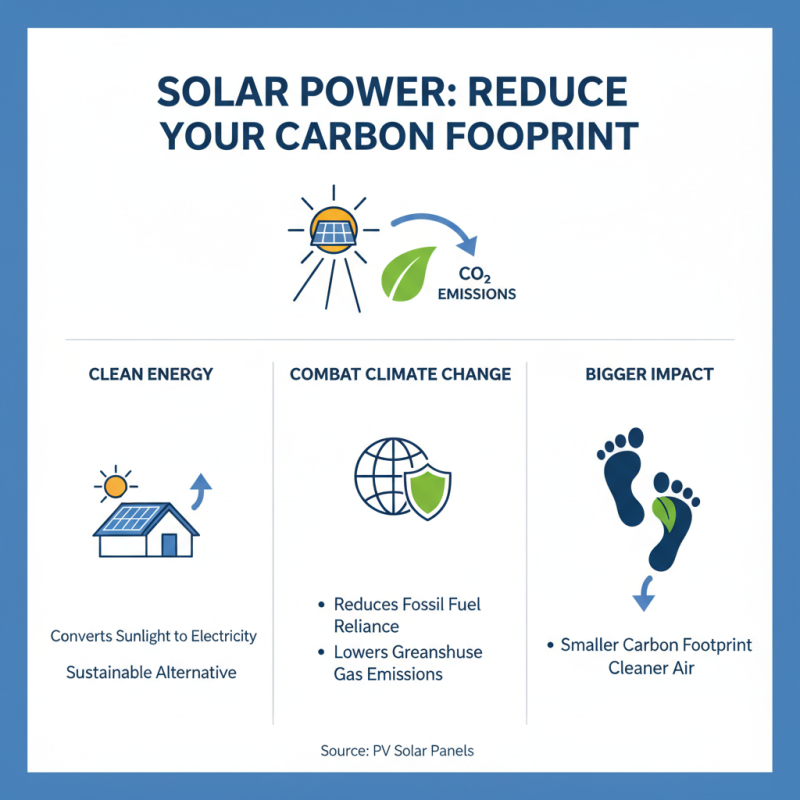
Photovoltaic (PV) solar panels are revolutionizing energy consumption. They convert sunlight into electricity, offering a sustainable alternative. One major advantage is their effectiveness in reducing the carbon footprint. By harnessing renewable solar energy, these panels minimize reliance on fossil fuels. This shift is crucial in combating climate change and reducing greenhouse gas emissions.
When using PV solar panels, homes and businesses significantly cut their emissions. Research shows that solar energy can reduce carbon emissions by up to 80%. This is vital for urban areas, where air quality is often poor. However, integrating solar technology poses challenges. Initial investment costs can be high, and production methods for panels may also have environmental impacts. Users must weigh these concerns against long-term benefits.
Transitioning to solar energy requires commitment and awareness. Individuals and organizations should evaluate their energy needs carefully. It's essential to consider both the immediate and future implications. By doing so, they can make informed choices about solar energy's role in their sustainability plans. Ultimately, embracing PV solar panels contributes positively to our planet's health.
Cost Savings Through Reduced Energy Bills with Solar Technology
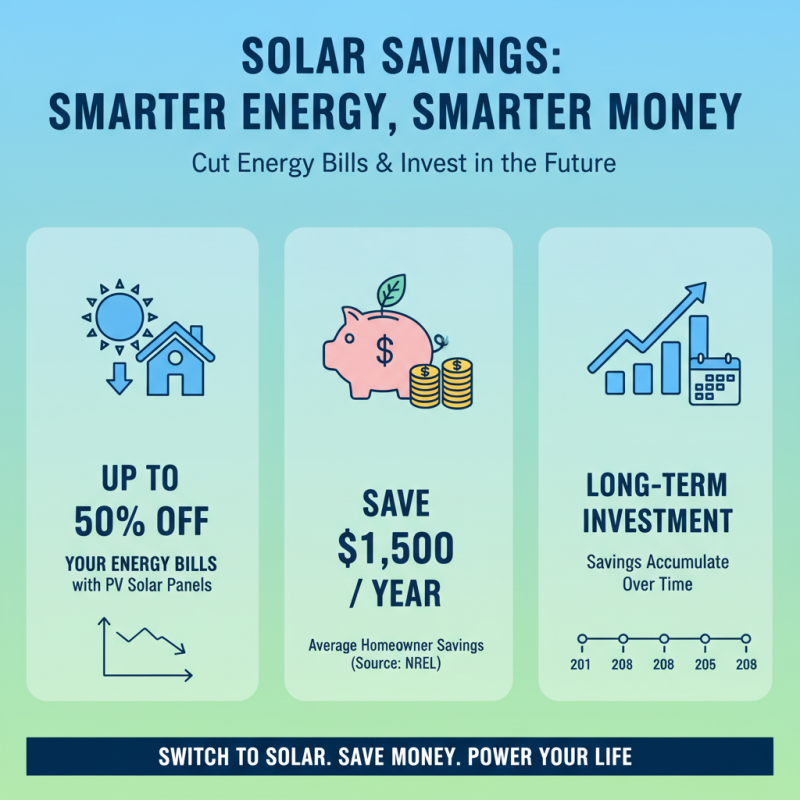
Switching to PV solar panels can lead to significant cost savings. Households that install solar technology can reduce their energy bills by up to 50%. According to a study by the National Renewable Energy Laboratory, solar energy can save an average homeowner around $1,500 annually. These savings can accumulate over time, making solar energy an attractive long-term investment.
Moreover, the upfront costs of solar installations are decreasing. In the last decade, the average price of solar panels dropped by approximately 70%. With increased affordability, more homeowners can now access solar solutions. However, the adoption rate varies. Some regions benefit more from government incentives or favorable climates, impacting the overall savings. Not everyone sees immediate relief on their bills, primarily due to installation and maintenance costs.
Despite these challenges, the push toward sustainable energy continues. The International Energy Agency projects that solar power will become the largest source of electricity globally by 2025. This shift highlights the importance of not only recognizing potential savings but also understanding the broader implications of solar energy adoption. It is a powerful step toward a sustainable future, yet communities must navigate various hurdles on this journey.
Long-term Reliability and Low Maintenance Requirements of PV Solar Systems
Photovoltaic (PV) solar panels are increasingly recognized for their long-term reliability and low maintenance needs. Once installed, these systems can operate efficiently for decades. Typically, a well-maintained PV system can last 25 years or more. This lifespan makes them an attractive option for both residential and commercial energy needs.
Unlike traditional energy sources, solar panels have few moving parts. This characteristic significantly reduces the likelihood of mechanical failures. Regular cleaning and occasional inspections are often all that’s required. Many homeowners find this minimal upkeep appealing. However, neglecting maintenance can lead to performance issues. It’s important to monitor the system regularly to ensure maximum efficiency.
Some users report a loss of energy production due to dirt or debris accumulation. This highlights the need for proper maintenance. Regular checks can help to identify any issues early. Investing time in these actions can prevent larger problems down the line. While the initial investment in solar technology may seem daunting, the low maintenance costs and reliability often yield long-term savings and sustainability.
Top Benefits of PV Solar Panels for Sustainable Energy Solutions
| Benefit |
Description |
Long-term Reliability |
Maintenance Requirements |
| Cost Savings |
Reduction in electricity bills and potential income from excess energy sold back to the grid. |
High-quality solar panels can last 25-30 years with minimal performance degradation. |
Requires minimal regular maintenance, primarily cleaning and occasional inspections. |
| Environmental Impact |
Reduction in carbon footprint and reliance on fossil fuels. |
Solar panels generate energy without emitting greenhouse gases during operation. |
Design minimizes environmental degradation during installation. |
| Energy Independence |
Less dependence on energy suppliers and fluctuating market prices. |
Solar energy can provide stable energy supply over decades. |
Requires little more than monitoring for optimal performance. |
| Increased Property Value |
Homes with solar systems can sell for more compared to non-solar homes. |
Long lifespan of solar panels enhances property appeal. |
Minimal upkeep maintains property aesthetics and performance. |
Increased Property Value and Market Demand for Homes with Solar Installations
Solar panel installations are becoming increasingly popular among homeowners. One significant benefit is the rise in property value. Homes equipped with solar panels often sell for more than similar homes without them. This increase can be substantial, sometimes reaching up to 4% more. Potential buyers see these installations as a long-term investment. They know they can save money on energy bills.
Demand for homes with solar installations is also growing. Many buyers are looking for energy-efficient features. In a competitive housing market, having solar panels can set a property apart. Some neighborhoods report that homes with solar installations sell faster. However, not all areas have the same market response. In some regions, the value increase may be less pronounced.
While solar panels sound appealing, homeowners should consider potential downsides. Installation costs can be high initially. Additionally, not every home is suited for solar panels due to roof orientation or shading. Data on energy savings can vary. Homeowners must rely on accurate information to make informed decisions. Understanding local incentives and property tax implications is crucial. Energy independence can be enticing, but it's essential to evaluate the overall impact.
Increased Property Value and Market Demand for Homes with Solar Installations
The chart above illustrates the average increase in property value for homes with solar installations compared to those without. Homes with solar panels can see a significant increase in their market value, demonstrating the growing demand for sustainable energy solutions.
Job Creation and Economic Growth Driven by the Solar Energy Industry
The solar energy industry is a powerful engine for job creation and economic growth. According to the Solar Foundation's Solar Job Census, around 250,000 Americans worked in solar in 2020. This number has doubled since 2010, reflecting a significant trend. The industry continues to grow rapidly, outpacing many traditional energy sectors.
Moreover, the Solar Energy Industries Association (SEIA) reports that for every megawatt of solar installed, approximately 5.65 jobs are created. These jobs span various sectors, from manufacturing to installation and maintenance. The influx of jobs helps local economies by injecting money and increasing community engagement. Still, there are challenges, such as labor shortages and varying skill levels among workers. Addressing these gaps is essential for the industry’s long-term sustainability.
Local governments also see benefits. Increased renewable energy projects can boost tax revenues. However, areas that lack workforce training programs may miss out. Sustainable energy solutions must prioritize education and training to ensure all communities can thrive. The future looks bright but requires mindful strategies to support ongoing development in the solar sector.