Top 5 Tips for Buying Solar Power Panels Efficiently?
As the world shifts toward renewable energy, solar power panels are becoming increasingly popular. According to the Solar Energy Industries Association (SEIA), solar capacity in the U.S. reached over 100 gigawatts in 2021, with an expected annual growth rate of 20% in the coming years. This surge highlights the need for consumers to make informed choices when purchasing solar power panels.
Industry expert Dr. Emily Carter states, "Choosing the right solar panels is crucial for maximizing energy efficiency and savings." Her insight reflects the importance of understanding different panel types and their long-term benefits. With multiple options available, buyers often face challenges in navigating features, warranties, and pricing. Data shows that consumers can save up to 75% on energy costs with the right panel choice, yet many overlook critical details.
Investing in solar power is not just an environmental decision; it is a financial one. Poor choices can lead to ineffective systems and wasted money. A careful evaluation of panel efficiency, installation costs, and potential incentives is essential. As electric rates continue to rise, the urgency to make informed decisions about solar power panels grows ever more pressing.
Understanding Your Energy Needs Before Purchasing Solar Panels
Before diving into solar panel purchases, it's crucial to grasp your energy needs. Start by assessing your current electricity consumption. Review past utility bills to understand your daily and monthly energy usage. This data offers a baseline for evaluating how many solar panels you might need.
Consider factors like your roof size and orientation. A large, south-facing roof can yield more energy. However, not everyone has this ideal setup. Shaded areas, for example, can significantly reduce solar production. Take time to evaluate these elements. Each home is unique, and assumptions can lead to costly mistakes.
Think about future energy requirements too. If you're planning to buy an electric vehicle or expand your home, your needs may change. Overestimating your capacity can lead to wasted money. On the other hand, underestimating can leave you with insufficient power. Balancing these aspects is essential for effective solar energy use. You want your investment to pay off and serve you well in the long run.
Researching Different Types of Solar Panels and Their Efficiency Ratings
When considering solar power panels, understanding their types and efficiency ratings is crucial. Solar panels generally fall into three main categories: monocrystalline, polycrystalline, and thin-film. Monocrystalline panels are known for their high efficiency, often exceeding 20%. They work well in limited space. Polycrystalline options are less efficient but offer a good balance of cost and performance. Thin-film panels are lightweight and flexible, but their efficiency is on the lower end.
Efficiency ratings can vary significantly between different panel types. It’s essential to research these ratings before purchasing. For instance, monocrystalline panels may be ideal for small rooftops. However, not all homes will benefit from this option. Environmental factors can impact performance. In regions with frequent cloud cover, a less efficient panel might perform better than expected.
Collecting data on local solar conditions can help narrow down choices. Many homeowners overlook how installation angle and sunlight exposure affect energy production. It's a good idea to consult with experienced professionals. Local installers often provide insights based on regional performance and customer feedback. With careful research, you can make a more informed decision about your solar panel investment.
Evaluating Cost vs. Long-Term Savings of Solar Power Systems
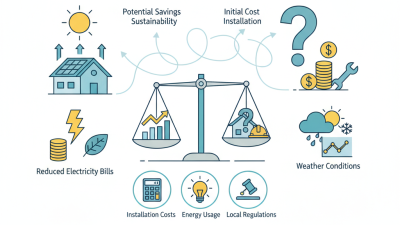
When considering solar power systems, the balance of cost and long-term savings stands out as a crucial factor. Solar panels require an initial investment, which can be significant. Assessing this upfront cost against potential energy savings is essential. Many homeowners overlook this aspect and end up with systems that don’t align with their financial goals.
Long-term savings can vary greatly based on location and energy usage. Some regions enjoy higher sunlight exposure, translating to quicker returns on investment. On the other hand, individuals might find it hard to track the savings accurately. An analysis of energy bills before and after installation should be a part of the evaluation.
It’s tempting to rush into purchasing options that seem appealing at first. However, a thoughtful approach can prevent wasted resources. Researching different financing options can also yield better long-term outcomes. A thorough review of installation and maintenance costs paired with energy savings projections can help ensure informed decisions that lead to favorable financial futures.
Choosing a Reliable Solar Panel Provider and Installer
Choosing a reliable solar panel provider and installer is essential for maximizing the benefits of solar energy. Research is key. Look for companies that have a proven track record. An installer with experience will understand local conditions. Check reviews and testimonials online. If possible, speak with previous customers. They can provide valuable insights about their installation experience.
Don’t overlook certifications. A certified installer adheres to industry standards. This ensures quality workmanship. Ask about warranties on both the panels and the installation. A dependable provider should be confident in their offerings. Transparency in pricing is crucial. Request detailed estimates that break down costs.
Reflect on your specific needs. Each home is unique. A one-size-fits-all approach can lead to inefficiencies. Evaluate your energy consumption patterns. Discuss them with your installer. They should tailor their recommendations for your scenario. This collaborative approach can improve overall satisfaction and performance. Don’t hesitate to ask questions. It’s your investment, and you deserve clarity.
Exploring Incentives and Financing Options for Solar Panel Purchases
When considering solar panels, incentives and financing options can make a substantial difference. Many governments offer tax credits and rebates. These can significantly lower the initial cost of investment. Additionally, some states provide performance-based incentives. This encourages homeowners to rely more on renewable energy.
Financing options are diverse. Many solar companies provide payment plans. Some options include zero down payment and low-interest loans. However, it's crucial to compare these terms. Look for hidden fees or conditions that may complicate your purchase. Not every option is a fit for everyone.
Be aware of the evolving policies in your area. They can impact your final decision. What works today may not work tomorrow. Research thoroughly to find the best deal for your situation. Remember, this investment is not just about saving money. It’s about contributing to a sustainable future. Always weigh the pros and cons.
Top 5 Tips for Buying Solar Power Panels Efficiently
| Tip |
Details |
Incentives |
Financing Options |
| Research Local Incentives |
Investigate federal, state, and local rebates and tax credits. |
Federal Tax Credit, State Rebate Programs |
Personal Loans, Solar Specific Financing |
| Evaluate Solar Panel Efficiency |
Choose panels with a high efficiency rating for better performance. |
Some Efficiency Grants |
Leases and Power Purchase Agreements (PPAs) |
| Compare Installer Experience |
Select installers with good reviews and substantial experience in solar installation. |
Installer Rebates |
Credit Cards with Solar Perks |
| Understand Warranty Details |
Examine product and installation warranties before purchasing. |
Warranty Support Programs |
Manufacturer Financing Options |
| Consider Future Energy Needs |
Plan for potential increases in energy consumption and system expansion. |
Future Energy Incentives |
Home Equity Loans |