China Top Solar Energy System for Global Buyers How to Decide?
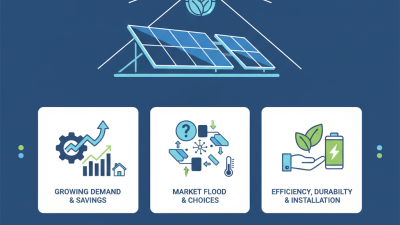
In recent years, the demand for solar energy systems has skyrocketed globally. Many buyers are drawn to China's innovative and efficient solar solutions. However, choosing the right system requires careful consideration. Each solar energy system varies in efficiency, technology, and cost. Buyers may feel overwhelmed by options and technical jargon.
Understanding the specifics of different systems is crucial. Factors such as installation requirements, maintenance, and financing options can greatly impact your decision. It’s important to engage with trustworthy suppliers who can provide detailed information. However, misleading claims can lead to confusion. One must be cautious of overpromising features that might not deliver in real-world applications.
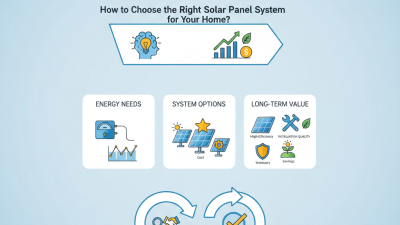
Investing in a solar energy system is a significant commitment. It’s vital to assess your unique energy needs before making a purchase. This process can be daunting, with many choices to balance. Ultimately, thorough research and expert guidance can help you navigate this important decision effectively.
China's Dominance in Solar Energy: An Overview of Market Trends
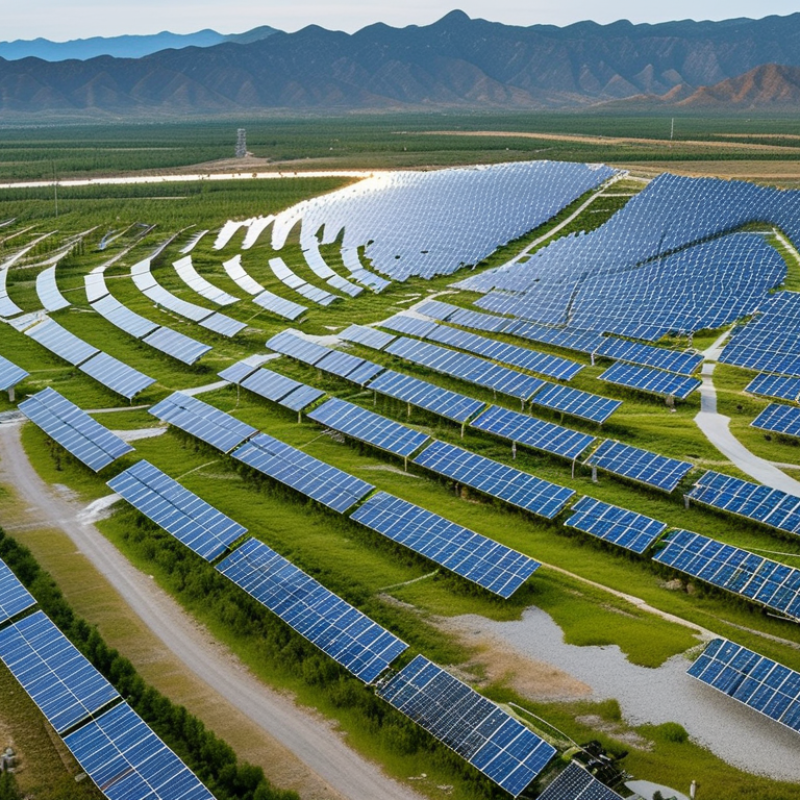
China's solar energy market shows remarkable growth. Over the past decade, China's investment has surged. It's a global leader in solar panel manufacturing. However, the rapid expansion raises questions about sustainability and quality.
Market trends indicate a shift towards innovative technologies. Chinese companies are focusing on efficiency improvements. Yet, some products may lack rigorous quality checks. Buyers should be aware of this. Information about product certifications is crucial when making decisions.
As competition intensifies, prices will fluctuate. This creates both opportunities and challenges for global buyers. Researching suppliers is essential. Understanding the nuances of the market can lead to better purchasing strategies. Achieving the right balance between cost and quality requires careful consideration.
Key Factors Influencing Solar Energy System Selection for Global Buyers
When selecting a solar energy system, buyers must consider various factors. One crucial aspect is the energy needs of their specific location. Different areas have distinct sunlight availability, which greatly influences system efficiency. Prospective buyers should assess their site’s sunlight exposure throughout the year. This evaluation can help in choosing the right capacity for the solar system.
Another significant influence is the available budget. Solar energy systems vary widely in price, depending on technology and installation requirements. Buyers should research financing options, including government incentives and grants. However, it's essential not to compromise on quality for a lower price. Investing in a reliable system can lead to long-term savings.
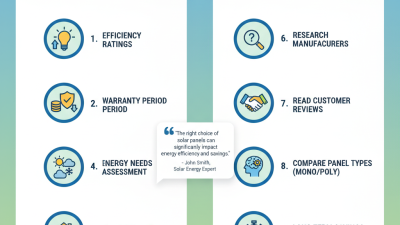
Additionally, buyers should weigh the reputation of the manufacturers. Researching certifications and customer reviews can provide insights into system performance. While many manufacturers claim high efficiency, real-world feedback is invaluable. Gathering information from independent sources can increase the reliability of the chosen solution. Making informed decisions based on these factors can lead to a successful solar energy investment.
Performance Metrics: Evaluating Efficiency and Longevity in Solar Systems
When evaluating solar energy systems, two crucial metrics stand out: efficiency and longevity. Efficiency indicates how well a solar panel converts sunlight into electricity. The current average efficiency of commercial solar panels is about 15-20%. Some high-performance models may reach up to 23%. However, variations exist based on technology and environmental factors. Buyers should consider their specific needs and local conditions when assessing efficiency ratings.
Longevity, or the lifespan of a solar system, is also vital. Most solar panels come with warranties ranging from 25 to 30 years. Yet, real-world performance can differ. Studies show that panels typically lose 0.5-1% of their efficiency per year. Factors such as installation quality, climate, and maintenance play pivotal roles in determining actual longevity. The degradation rate can raise concerns over performance after a decade or two.
Evaluating these metrics requires careful analysis of data reports and real-world outcomes. Industry insights suggest balancing initial costs with long-term performance. Many buyers find it useful to consult energy assessors for tailored advice. Ultimately, informed decisions depend on understanding both efficiency levels and potential longevity of the solar systems under consideration.
Cost Analysis: Understanding Price Trends and Investment Returns
As global demand for renewable energy soars, solar energy systems have become a key focus. A comprehensive cost analysis is essential for prospective buyers. According to the International Renewable Energy Agency (IRENA), the global average cost of solar photovoltaic (PV) systems dropped by 89% from 2010 to 2020. This trend influences investment decisions.
Yet, understanding price fluctuations is crucial. In 2022, solar module prices rose by around 20% due to supply chain disruptions. Buyers must consider such variables when budgeting. Calculating investment returns is also significant. The National Renewable Energy Laboratory (NREL) reports that the average payback period for residential solar systems is between 5 to 7 years.
Investors should assess local electricity rates. High rates enhance the attractiveness of solar investments. Additionally, many regions implement incentives, such as tax credits, which can offset costs. However, potential buyers should be wary of rapidly changing market dynamics. It’s important to stay informed. Regularly reviewing financial metrics can lead to better energy choices.
Regulatory Considerations: Navigating International Standards and Compliance
Navigating international regulations for solar energy systems can be complex. Buyers need to understand various compliance standards to ensure alignment with local laws and international norms. For instance, to enter the European market, products must meet the EU's Ecodesign Directive. Failing to do so can lead to costly penalties.
Statistics show that compliance issues can affect 30% of international transactions in the solar sector. Buyers should consider Regional Specific Compliance (RSC) as regional regulations often differ significantly. This situation demands diligence and expertise during the decision-making process.
Documentation is critical. Many reports indicate that incomplete documentation is a common pitfall that can delay projects. Solar energy systems need certifications that demonstrate efficiency and safety. Buyers often overlook the importance of tracking these certifications, which can lead to setbacks. Understanding these regulatory landscapes can be challenging, but it’s essential for success in global markets.