Top Solar Energy Solutions Tips for Global Buyers
The demand for solar energy solutions continues to rise globally. According to the International Energy Agency (IEA), solar energy is expected to be the largest source of electricity by 2025. This presents a significant opportunity for buyers seeking sustainable energy options. However, the selection process can be complex.
Data from the Global Solar Council reveals that 170 countries have adopted solar technologies. Each country has unique needs and market conditions. Buyers must navigate through various providers and technologies. They must consider factors like efficiency, cost, and local regulations. Each factor plays a crucial role in the decision-making process.
Despite the advancements, challenges remain in the solar sector. The industry faces issues such as supply chain disruptions and varying quality of products. Buyers must critically evaluate their options. Learning from past experiences is vital for making informed choices. Efficient solar energy solutions can lead to long-term benefits, but careful planning is essential.
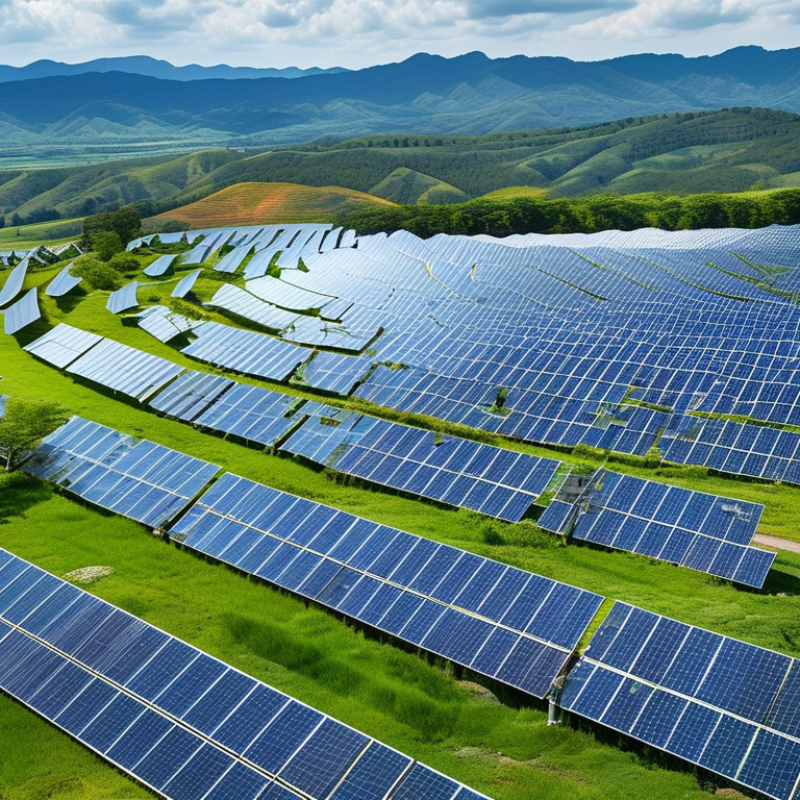
Understanding Solar Energy: Market Trends and Growth Projections
The solar energy market is experiencing remarkable growth. According to a report by the International Energy Agency (IEA), global solar capacity reached 1,000 gigawatts in 2022. This milestone illustrates increasing adoption among countries. The growth in solar installations is partly driven by declining costs. The cost of photovoltaic (PV) systems has dropped by over 80% since 2010.
Experts predict that solar energy will account for 27% of global electricity generation by 2026. The Global Solar Council highlights that emerging markets are particularly ripe for investment. Regions like Southeast Asia and Africa show substantial potential. However, market challenges remain. Battery storage costs and supply chain issues may impact growth projections. Buyers should remain aware of these factors when considering investments.
Emerging technologies are reshaping the landscape. Innovations in solar panels and smart grid systems offer exciting possibilities. Yet, reliance on outdated infrastructure can hinder progress. Industry leaders must adapt or risk falling behind. Understanding market trends is essential for making informed decisions. The solar energy sector is evolving, and maintaining awareness of these dynamics is crucial for global buyers.
Top Solar Energy Solutions Tips for Global Buyers - Understanding Solar Energy: Market Trends and Growth Projections
| Region |
Market Size (2023) |
Growth Rate (CAGR 2023-2030) |
Key Drivers |
| North America |
$30 Billion |
12% |
Government incentives, decreasing costs |
| Europe |
$25 Billion |
10% |
Renewable targets, strong policies |
| Asia-Pacific |
$50 Billion |
15% |
Rising energy demand, solar innovation |
| Latin America |
$10 Billion |
8% |
Investment from private sectors |
| Middle East & Africa |
$15 Billion |
9% |
Energy security, renewable initiatives |
Key Solar Technologies: Photovoltaics vs. Concentrated Solar Power
When it comes to solar energy, two main technologies dominate: photovoltaics (PV) and concentrated solar power (CSP). Photovoltaics convert sunlight directly into electricity using semiconductor materials. This process allows for individual solar panels to be installed on rooftops or in large arrays, making PV systems highly versatile. The efficiency rates have improved over the years, yet factors like shading and temperature can still affect performance.
In contrast, concentrated solar power harnesses sunlight using mirrors or lenses to focus it onto a small area. This concentrated energy is then used to generate steam, which drives turbines. CSP systems are typically installed in large solar farms and require substantial land. Their large-scale nature can lead to higher initial costs and long-term maintenance challenges. Understanding the unique advantages and limitations of each technology is crucial for global buyers. This knowledge can help clients make informed decisions aligned with their specific needs and goals.
Evaluating Solar Panel Efficiency: Factors and Industry Benchmarks
When evaluating solar panel efficiency, consider various factors that influence performance. Efficiency ratings indicate how well a panel converts sunlight into electricity. Look for panels that test high against industry benchmarks. These benchmarks can vary by region but are essential for making informed decisions. A panel with an efficiency rating above 20% is usually a strong choice.
Material quality significantly impacts efficiency. Monocrystalline panels tend to offer higher efficiency than polycrystalline. However, they may come with a higher price tag. Understand your local environment, as factors like temperature and shading can lower efficiency levels. If possible, inspect panels in different conditions or ask for performance data from suppliers.
Think about the installation process too. A well-installed system maximizes panel efficiency. Work with experienced technicians who understand the nuances of your local climate. Proper angles and orientations matter greatly. If you're unsure about installation, seeking expert advice is vital. Choose solutions that fit your specific energy needs while adhering to verified safety standards. This reflective approach ensures you make better investments without oversight.
Cost Analysis of Solar Energy Solutions: Global Pricing Trends and Savings
When considering solar energy solutions, understanding cost trends is essential for informed decisions. The price of solar panels varies across regions. Factors like demand and manufacturing costs play significant roles. In many areas, prices have dropped over the past decade, reflecting advancements in technology. This trend encourages widespread adoption. Such improvements can lead to substantial long-term savings for users.
However, the picture isn't entirely optimistic. Some countries still face high installation and maintenance costs. These expenses can deter potential buyers, even amidst falling equipment prices. Local regulations may also contribute to higher costs, affecting financial calculations. For buyers, it's crucial to conduct a thorough cost analysis of both equipment and installation.
Additionally, the benefits of solar energy go beyond immediate financial savings. Long-term investments can yield more than just returns on energy bills. They contribute to sustainability and energy independence. Yet, prospective buyers should remain cautious. Analyzing total costs and potential ROI is wise. This approach allows for more confident investments in solar energy solutions globally.
Sustainability and Policy Impact: How Government Incentives Drive Adoption
Government incentives play a crucial role in fostering the adoption of solar energy globally. They can significantly reduce the initial costs associated with solar installations. Different countries implement various policies to support renewable energy. For instance, tax credits or rebates can lower installation expenses, making solar accessible to more households. Such incentives often lead to increased investment in solar technologies.
However, the effectiveness of these policies can vary widely. In some regions, bureaucracy can hinder the process. Long approval times may discourage potential buyers. Moreover, changes in government priorities can lead to uncertainty, affecting investment decisions. It is also essential to consider the long-term implications of relying on incentives. If subsidies are withdrawn or reduced, market stability could be threatened.
Adoption rates reveal a mixed picture. Some areas see significant growth due to favorable policies, while others struggle to catch up. This disparity raises questions about how sustainable growth can be achieved without ongoing government support. For solar energy to thrive, a balanced approach that encourages innovation and ensures policy stability is necessary.