
Blogs

How to Choose Solar Energy Solutions for Business 2026

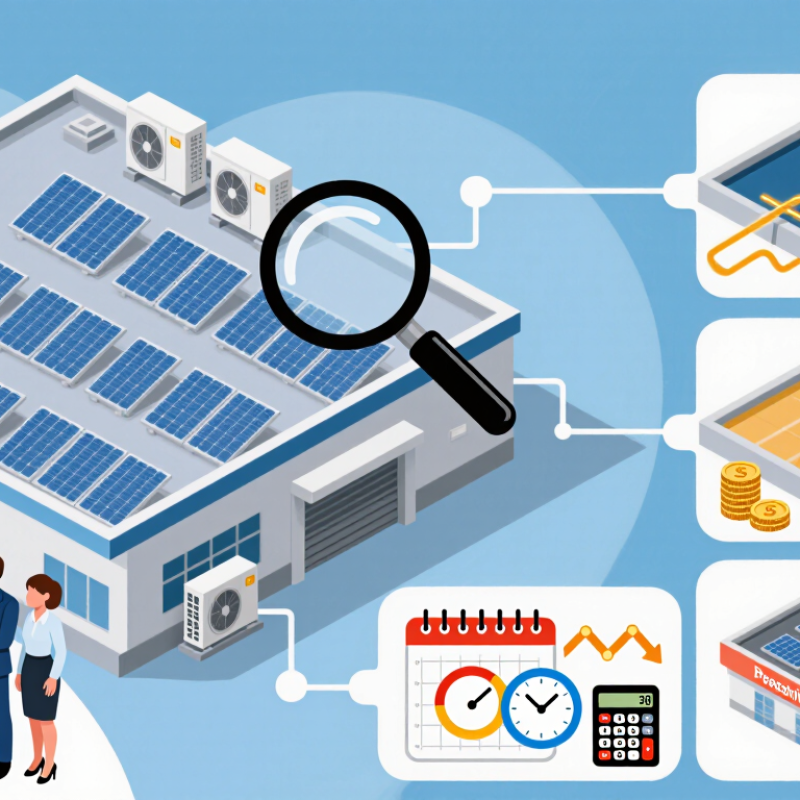
Choosing solar energy solutions for business in 2026 requires more than comparing panel prices. It demands a practical review of energy use, roof conditions, operating hours, and financial goals. A warehouse with daytime cooling loads may benefit from rooftop generation, while a retail site may need storage for evening demand. The best decision starts with measured data, not optimistic estimates. Review at least twelve months of utility bills, demand charges, outage records, and available installation space. Small details matter. A shaded roof section can reduce output, while an aging electrical system can increase project costs. Qualified professionals should complete site assessments and document equipment ratings, safety requirements, maintenance access, and expected production. Independent engineering advice is valuable when proposals use different assumptions.

Businesses should compare ownership, leasing, power purchase agreements, and battery options against cash flow and risk tolerance. A lower monthly payment does not always mean a lower lifetime cost. Ask how degradation, inverter replacement, monitoring, insurance, and equipment removal are handled. Request realistic production estimates based on local weather data, not only laboratory performance. Financial models should test cloudy seasons, tariff changes, interest rates, and slower-than-expected savings. No plan is flawless. That assumption can fail. A credible provider explains uncertainty instead of hiding it. Check certifications, warranties, comparable-site references, and documented service response times. This guide will examine the questions, technologies, and evaluation methods that help business leaders select solar energy solutions with stronger evidence, greater resilience, and responsible long-term value.
How to Choose Solar Energy Solutions for Business 2026

Understanding Business Solar Energy Needs in 2026

In 2026, choosing solar energy for a business starts with understanding demand, not panel quantity. Study hourly electricity use, seasonal production, and peak-demand charges. A factory may need power before sunrise, while an office may peak at midday. The solution should match that rhythm. IRENA’s Renewable Capacity Statistics 2024 recorded about 1,419 GW of global solar capacity by the end of 2023. This growth shows market maturity, but it does not guarantee savings for every site. Roof strength, shading, grid limits, and local tariffs still matter.

Tips: Request twelve months of interval consumption data. Compare solar-only, solar-plus-storage, and efficiency upgrades. Check battery cycling assumptions carefully. A larger system is not always better. Ask an accredited engineer to verify structural loads, fire protection, maintenance access, and expected degradation. These practical checks support reliable decisions and reduce surprises after installation.

The IEA’s Renewables 2024 report expects global renewable capacity to expand by roughly 5,500 GW between 2024 and 2030, led largely by solar and wind. Businesses should therefore assess future electricity needs, including electric vehicles, cooling equipment, and process electrification. Storage can protect selected operations during outages, but it cannot replace every backup system. Forecasts also contain uncertainty. Electricity prices, export rules, and weather patterns may change. A sensible plan includes measurable performance targets, independent financial modelling, and a review after the first operating year.

Assessing Solar Technologies, System Sizes, and Energy Goals

Choosing solar energy for a business in 2026 starts with clear energy goals, not equipment preferences. Review twelve months of electricity bills and interval data before discussing system design. Note seasonal peaks, daytime demand, demand charges, and planned expansion. A warehouse may need maximum daytime production, while a clinic may value backup power and stable operating costs.

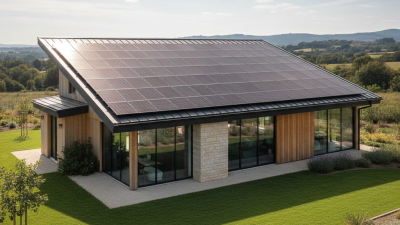
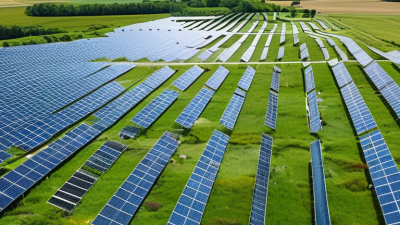
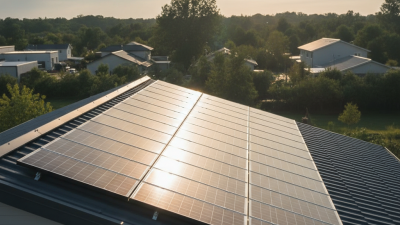
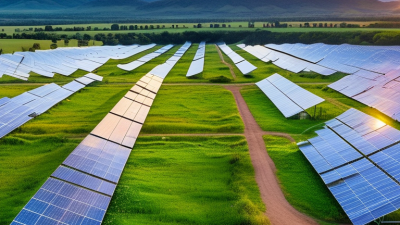
Technology should match the site. Rooftop photovoltaic panels can use unused roof space, but shading, roof age, and structural limits require professional inspection. Ground-mounted systems may offer better orientation, though they need suitable land and permits. Battery storage can shift solar power into evening hours and support critical loads during outages. It also adds replacement planning, thermal management, and more complex controls. Keep it practical.

System size should reflect usable demand, not total annual consumption alone. Oversizing can leave energy unused when export rules or grid limits apply. Undersizing may miss valuable peak-hour savings. Model several cases with conservative assumptions for panel degradation, weather, maintenance, and future load growth. A perfect forecast is impossible. I once saw a promising design weaken after a business added refrigeration equipment. That gap mattered.

Ask installers to explain production estimates, safety controls, monitoring methods, warranties, and maintenance responsibilities in plain language. Compare performance assumptions, not only the quoted price. Independent engineering review can uncover roof repairs, weak electrical capacity, or unrealistic savings. Leave room for revision. Business energy goals change.

Comparing Costs, Incentives, Financing, and Expected Savings

How to Choose Solar Energy Solutions for Business 2026

Business solar decisions should begin with actual electricity data, not impressive sales projections. Review at least twelve months of utility bills, demand charges, and seasonal usage. A 100,000-square-foot warehouse may need a different system than a small office, even with similar annual consumption. Request an itemized quote covering panels, inverters, structural work, monitoring, insurance, and maintenance. Include roof repairs before installation. Replacing a roof later can erase expected savings.

Compare incentives carefully. Tax credits, grants, depreciation rules, and utility rebates can change by location and eligibility. Confirm current rules with a qualified tax professional and the relevant public authority. Financing may include loans, leases, or energy-service agreements. Compare interest, escalators, ownership rights, early-payment terms, and maintenance responsibilities. A low monthly payment is not automatically the cheapest option. My first savings estimate once looked excellent, but it ignored demand charges and winter shading. That mistake changed the entire payback period.

Tips: Ask for production estimates using local weather data. Check three years of utility rate history when possible. Have a licensed professional inspect the roof and electrical system. Model conservative, expected, and optimistic savings. Leave room for battery replacement or inverter repairs. A spreadsheet should show cash flow by year, not only the headline return. Review the agreement carefully, because small exclusions can become expensive later.

Evaluating Installers, Equipment Quality, and Project Compliance

How to Choose Solar Energy Solutions for Business 2026

Choosing a solar installer requires more than comparing a few quoted prices. Ask for recent commercial projects with similar roof types, electrical loads, and operating hours. Request licenses, insurance records, safety procedures, and references from facility managers. A serious installer should explain production estimates in plain language. Vague promises deserve caution. Very much so.

During site visits, watch how the team works. Do they inspect roof condition, shading, drainage, and panel access? Do they review service-panel capacity before discussing equipment?

Equipment quality includes more than efficiency ratings. Check product warranties, temperature performance, degradation rates, inverter compatibility, and replacement procedures. A cheaper component may create longer downtime later. I would also ask who performs commissioning and who receives system alerts after installation.

Project compliance must be documented from the beginning. The proposal should identify required permits, utility approvals, structural reviews, inspections, and grid-connection tests. It should also state who handles each submission and how delays affect the schedule. Keep stamped drawings, inspection records, equipment certificates, and commissioning results in one accessible file. Small omissions can become expensive.

2026

One weakness in many evaluations is overconfidence in annual savings models. Weather varies, electricity rates change, and production can fall when dust covers the modules. Require assumptions, sensitivity ranges, and a method for measuring actual output. I would prefer a transparent estimate over an impressive one. A careful installer welcomes difficult questions, even when the answers reduce the expected return.

Planning Installation, Performance Monitoring, and Future Expansion

How to Choose Solar Energy Solutions for Business 2026

Installation starts with load data, not rooftop area. Review twelve months of electricity bills, interval demand, tariffs, and planned operating hours. The International Energy Agency reported 420 GW of solar additions worldwide in 2023, showing rapid deployment. For a business, scale alone proves little. Shading, roof strength, and export limits can change the design. Request structural checks, fire planning, grid studies, and a staged expansion path. Leave conduit capacity and switchgear space for future arrays.

Performance monitoring should work like an operating tool. Track energy yield, availability, inverter status, weather, and site consumption at fifteen-minute intervals. NREL’s Photovoltaic Degradation Rates—An Analytical Review reports median degradation near 0.5% annually. That figure is useful, but it is not a promise for every roof. Dust, heat, shading, and poor maintenance may accelerate losses. Set monthly baselines and investigate unexplained gaps quickly. A dashboard alone cannot repair a loose connection.

Expansion planning needs financial and electrical reality checks. Model battery storage, vehicle charging, production growth, and tariff changes together. IRENA’s Renewable Power Generation Costs in 2023 reported falling utility-scale solar costs. Local financing and grid fees still dominate many projects. Test expansion economics with conservative production assumptions. The first design is rarely perfect. Review it annually.

How to Choose Solar Energy Solutions for Business 2026 - Planning Installation, Performance Monitoring, and Future Expansion

Decision Area Key Metric Practical Planning Data Recommended Action Verification Method
Energy Demand Assessment Annual electricity consumption Use at least 12 consecutive months of utility bills and interval data when available. Include seasonal peaks and operational growth. Build an hourly or 15-minute load profile before selecting system capacity. Compare utility bills, meter exports, production schedules, and equipment inventories.
Solar Resource Peak sun hours Commercial PV output varies by location; annual solar resource commonly falls within approximately 3–7 peak sun hours per day. Use site-specific solar irradiation data rather than a national average. Validate with a bankable solar resource database and an engineering production model.
System Sizing PV capacity A preliminary estimate can be calculated as: annual electricity target ÷ expected annual yield per kW. Final sizing must account for roof area, export limits, shading, and load timing. Prioritize self-consumption when exported electricity receives a lower value than on-site use. Review an hourly energy model showing generation, consumption, imports, and exports.
Roof and Site Suitability Usable installation area Exclude setbacks, access paths, fire lanes, skylights, mechanical equipment, drainage routes, and shaded areas. Reserve additional space for maintenance access and future equipment. Complete a structural survey, roof condition assessment, and shade analysis.
Structural Planning Roof load and remaining service life The roof should be assessed for dead load, wind uplift, snow load where applicable, seismic conditions, and waterproofing risks before installation. Repair or replace a roof before installing a long-life PV system if its remaining service life is materially shorter than the solar project. Obtain signed structural calculations and a roof warranty compatibility review.
Electrical Integration Point of interconnection The available switchgear, transformer capacity, service voltage, protection settings, and utility export rules determine feasible system size. Start utility interconnection studies early, especially for systems that may export power. Confirm one-line diagrams, short-circuit calculations, protection coordination, and utility approval.
Battery Storage Power and usable energy Battery power is measured in kW; stored energy is measured in kWh. Size them separately according to peak demand, tariff periods, backup loads, and required duration. Consider storage where demand charges, time-of-use pricing, outage risks, or export limits materially affect project value. Model round-trip efficiency, usable state-of-charge limits, degradation, and dispatch rules.
Installation Schedule Project milestones Typical milestones include site survey, engineering, permitting, procurement, construction, inspection, interconnection, and commissioning. Allow contingency for permitting, equipment lead times, weather, utility review, and facility shutdown coordination. Use a baseline schedule with named owners, approval gates, and documented change control.
Performance Monitoring Performance ratio and availability Performance ratio accounts for irradiation and system losses. Availability should be tracked separately to identify outages and communications failures. Set alerts for inverter faults, abnormal production, meter errors, high temperatures, and extended communication loss. Compare measured output with weather-adjusted model expectations and maintain a monthly loss report.
Data Quality Interval data completeness Use consistent time zones, timestamps, meter identifiers, and sampling intervals. Missing or duplicated intervals can distort savings calculations. Retain raw data and document estimation methods for any missing intervals. Audit data completeness, meter calibration, time synchronization, and export files.
Financial Evaluation Payback, NPV, and lifecycle cost Evaluate energy prices, demand charges, incentives, financing, maintenance, degradation, insurance, replacement costs, and residual value. Use sensitivity cases for electricity-price changes, lower production, higher maintenance, and delayed commissioning. Require a transparent financial model with annual cash flows and clearly defined assumptions.
Operations and Maintenance Inspection and service frequency Maintenance needs depend on dust, snow, vegetation, corrosion, access, weather, and equipment design. Preventive inspections are generally scheduled at least annually. Define response times, spare-parts responsibilities, cleaning criteria, and reporting requirements in the service agreement. Track work orders, downtime, recurring faults, inspection findings, and corrective-action closure.
Future Expansion Reserved capacity and infrastructure Future expansion may require spare roof area, conduit routes, switchgear capacity, transformer margin, communications bandwidth, and additional interconnection approval. Design the initial electrical architecture and monitoring platform for modular additions. Record reserved capacity in as-built drawings and confirm expansion assumptions with the utility and authority having jurisdiction.
Environmental and Safety Compliance Permits and safety controls Projects may require building, electrical, fire, zoning, environmental, utility, and occupational-safety approvals depending on location and system type. Use qualified professionals and verify all applicable local codes before procurement. Maintain permit records, inspection certificates, emergency procedures, and commissioning documentation.
Commissioning and Handover Acceptance criteria Handover should include tested protection systems, verified meters, operating manuals, as-built drawings, warranties, training, and baseline performance data. Do not complete final acceptance until monitoring, safety, documentation, and performance tests are complete. Use a signed commissioning checklist and retain test results, serial-number records, and final system settings.
Planning figures are indicative and must be validated against the project location, applicable codes, utility requirements, site conditions, operating profile, and current financial assumptions.