How to Choose the Best House Solar System for Your Needs?
Choosing the right house solar system can feel overwhelming. As energy prices rise, many homeowners seek sustainable options. Dr. Emily Carter, a renewable energy expert, emphasizes, “Selecting a solar system tailored to your home’s specific needs can maximize efficiency.” A house solar system is more than just panels on a roof; it’s an investment in your future.
Understanding your energy consumption is crucial. Every household is unique, with varying energy demands. Assessing your needs helps ensure you select a system that provides the right amount of power without overpaying. Some systems may promise high efficiency, but they might not suit your particular situation.
Research and expert advice can guide you through this complex decision-making process. Not every provider offers the same quality or support. While fancy marketing can be enticing, it is vital to evaluate the technology and warranties. Knowing the nuances of your house solar system will empower you to make a knowledgeable choice.
Understanding Your Energy Needs and Consumption Patterns
Understanding your energy needs is vital when choosing a solar system. Start by analyzing your electricity bills. Look for trends in your monthly usage. The U.S. Energy Information Administration reports that the average American household consumes about 877 kWh per month. However, this can vary widely based on location and lifestyle.
Consider your peak usage times and seasonal demands. Some homes may require more energy during summer for air conditioning. Others might see spikes in winter due to heating. This pattern can significantly affect your solar system size. Calculate the average daily kWh you use to determine the solar capacity needed.
Evaluate energy efficiency measures in your home. Energies like LED lighting and energy-efficient appliances reduce demand. The National Renewable Energy Laboratory found that upgrading appliances can cut usage by at least 20%.
Reflect on potential changes in your energy habits. If you plan to add electric vehicles or expand your home, factor these into your calculations. This proactive approach ensures your solar system aligns with future needs.
Evaluating Different Types of Solar Panel Technologies
When selecting a solar panel system, understanding the various technologies is crucial. The main types include
monocrystalline, polycrystalline, and thin-film panels.
Monocrystalline panels are highly efficient and space-saving. They perform well in limited areas but can be more costly.
Polycrystalline panels are less expensive but typically offer lower efficiency. They are a practical choice for larger rooftops where cost matters.
Thin-film solar panels are lightweight and flexible. They can be integrated into diverse surfaces. However, they usually have the
lowest efficiency ratings. Durability is another key factor. Some technologies may degrade faster than others in harsh conditions.
Research shows that location affects solar performance too. Certain panels work better in specific climates.
Consider your energy needs and roof structure. The best option may not always be the most advanced technology.
An analyzing long-term costs versus short-term savings is important. It’s essential to balance efficiency, space, and budget.
Each type of panel has its strengths and weaknesses. Reflecting on these aspects will guide you to a suitable choice.
Assessing Installation Options and Space Requirements
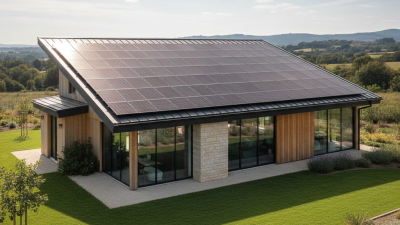
When considering the installation of a solar system, evaluating space requirements is crucial. Your home's roof is a primary location for solar panels. North-facing roofs yield the most sun exposure. East and west-facing roofs can also work, but their efficiency may drop. Check if your roof has any obstructions, such as chimneys or overhanging branches. Such factors can limit solar panel placement.
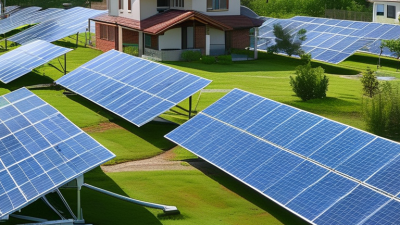
Space availability is another element to assess. A conventional solar system typically requires a minimum of 200 square feet. Insufficient space can lead to fewer panels, which translates to less energy production. If space is tight, consider ground-mounted systems. They can be positioned in your backyard, allowing for easier access and installation flexibility.
The installation option you choose might influence costs. Traditional roof-mounted setups are common but may require more structural upkeep. Ground-mounted systems usually have lower maintenance needs but can be costlier to install. Evaluate local codes and regulations too. Permitting can vary widely and might affect your timeline. Reflect on your specific needs and limitations as you make these decisions.
Estimating Costs, Incentives, and Long-Term Savings
Estimating costs for a solar system starts with understanding your energy consumption. Analyze your electricity bills from the past year. Look for patterns in your monthly usage. This data is crucial for determining the system size that meets your needs. The cost of solar systems can vary widely based on size, type, and installation complexity. Consider not only the upfront cost but also the long-term savings on energy bills.
Incentives play a significant role in making solar more affordable. Many regions offer tax credits, rebates, or special financing for installing solar panels. These incentives can significantly reduce your initial investment. Research local and federal programs to take full advantage of available savings.
Long-term savings can be substantial. A well-implemented solar system can lead to lower electricity bills and increased home value. However, it's essential to conduct a thorough analysis and reflect on potential hidden costs, such as maintenance. Tools and calculators exist to help project savings over time. But every home is different. Make sure to tailor your approach to fit your specific energy and financial situation.
Estimated Costs and Long-Term Savings of House Solar Systems
Choosing the Right Installer and Warranty Coverage
Choosing the right installer for your solar system is crucial. An experienced installer can make a significant difference in your system's performance. Look for professionals with certifications and a solid track record. Check their reviews and ask for references. A company with a good reputation will likely provide better service.
Warranty coverage is another vital aspect when selecting your solar system. A reliable warranty can protect your investment. Many systems come with warranties covering equipment and installation. Review the terms carefully. A longer warranty could indicate higher confidence from the manufacturer.
It’s important to ask questions. What happens if something goes wrong? How long will repairs take? Understanding the installer’s response to issues can reveal much about their reliability. Choose an installer who is open about these details. Not asking is a common mistake that can lead to regret later. Trust your instincts and value solid communication.