Top 10 Benefits of Home Solar Power Systems for Global Buyers
As more global consumers consider renewable energy, home solar power systems are gaining popularity. Experts agree on the numerous advantages these systems offer. Dr. Emily Harper, a leading authority in renewable energy, stated, "Investing in home solar power systems can significantly reduce energy costs."
Home solar power systems harness sunlight to generate electricity. This transition not only helps homeowners save money but also promotes environmental sustainability. With rising electricity prices, many people are exploring this renewable option. However, some may overlook the upfront investment and installation process.
Undeniably, the benefits are substantial. With potential energy independence, reduced carbon footprints, and long-term savings, homeowners are increasingly attracted to solar solutions. Yet, navigating government incentives and choosing the right system can be challenging. Weighing these factors is crucial for any potential buyer.
Advantages of Home Solar Power Systems for Energy Independence
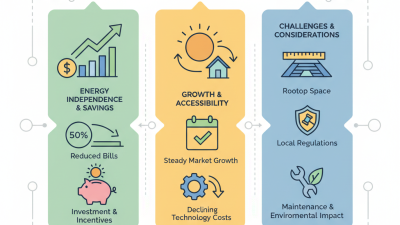
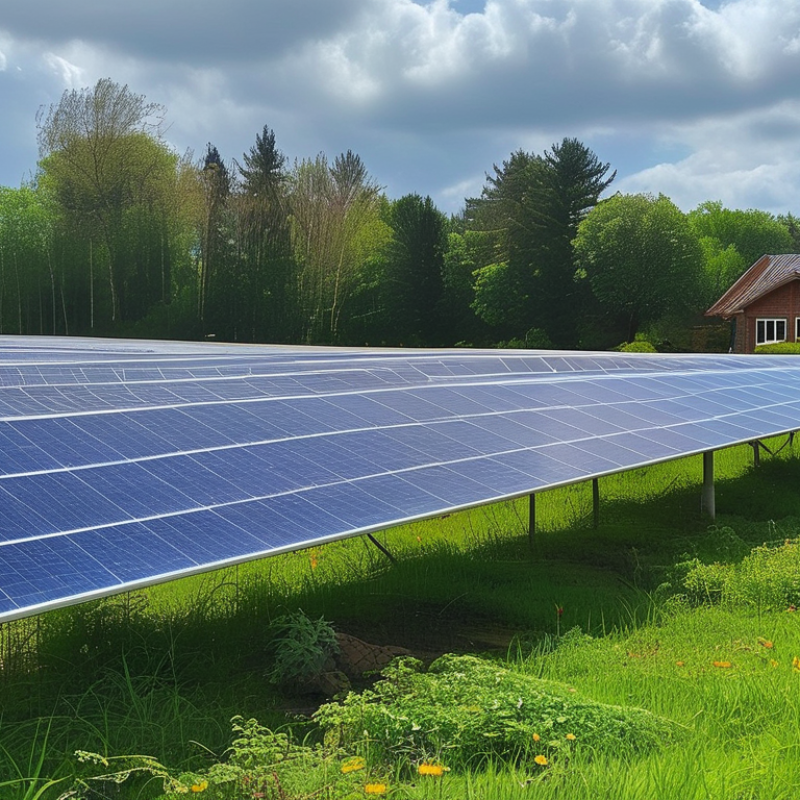
Home solar power systems have become essential for energy independence. As energy costs rise, many homeowners are looking for alternatives. According to the International Energy Agency (IEA), solar energy can potentially meet up to 30% of global energy needs by 2030. By harnessing sunlight, homeowners not only reduce utility bills but also gain control over their energy sources.
The U.S. Department of Energy reports that homes with solar power can save an average of $20,000 over 20 years. This substantial saving empowers homeowners and reduces reliance on fossil fuels. Moreover, by investing in solar energy, homeowners contribute to a more sustainable future. Each solar installation decreases demand from the grid and minimizes the carbon footprint.
Challenges remain as well. The initial installation cost can be a barrier for many families. Additionally, the efficiency of solar panels can be dependent on geographic location and weather conditions. Still, the long-term benefits often outweigh these drawbacks, making solar power a compelling option for those seeking energy autonomy. As research continues, improvements in technology will likely address these concerns, enhancing solar's viability for diverse homeowners.
Top 10 Benefits of Home Solar Power Systems for Global Buyers
| Benefit |
Description |
Impact |
| Energy Independence |
Reduce reliance on fossil fuels and grid electricity. |
Increased control over energy supply. |
| Reduced Electricity Bills |
Generate own electricity to offset utility costs. |
Lower monthly expenses. |
| Environmental Impact |
Reduce carbon footprint and greenhouse gas emissions. |
Positive contribution to climate change mitigation. |
| Increased Home Value |
Solar systems can boost property value in the market. |
Higher resale worth. |
| Tax Incentives |
Government credits or rebates for solar installations. |
Reduced initial investment costs. |
| Energy Security |
Protection against rising energy costs and price fluctuations. |
Stable energy expenditure over time. |
| Low Maintenance Costs |
Solar panels require minimal maintenance. |
Long-term savings. |
| Job Creation |
Growing solar industry provides employment opportunities. |
Stimulates local economies. |
| Innovative Technology |
Advancements in solar technology improve efficiency and output. |
Better performance and cost-effectiveness. |
| Grid Resilience |
Decentralized energy production enhances grid stability. |
Reduction in outages and increased reliability. |
Cost Savings and Financial Incentives of Solar Power Investments
Investing in home solar power systems can lead to significant cost savings. Homeowners often see a reduction in their monthly electricity bills. In some cases, this savings can reach up to 50% or more. It's not just about saving money; it's also about long-term financial benefits. The initial installation cost is often offset by various tax credits and rebates available in different regions.
In many countries, governments encourage solar investments. They offer incentives like tax deductions or rebates to new solar system buyers. This can reduce the overall cost substantially. While the upfront investment can feel daunting, the long-term savings often make it worthwhile. Additionally, property values can increase with solar installations. Studies show homes with solar systems often sell for more than comparable homes without them. Therefore, potential buyers should think about the future value of their property when considering solar energy.
Despite the clear benefits, some uncertainties exist. The exact amount of savings can vary based on local electricity rates and sunlight exposure. Homeowners may face challenges like maintenance costs or system failures. It's essential to research local conditions and incentives thoroughly. Solar power remains a valuable investment, but understanding the full scope of financial implications is crucial.
Top 10 Benefits of Home Solar Power Systems
Environmental Impact and Sustainability Benefits of Solar Energy
Solar energy has a profound impact on the environment. It significantly reduces greenhouse gas emissions. By harnessing sunlight, we can lower the carbon footprint. This shift helps combat climate change. Additionally, solar panels require minimal water compared to conventional energy sources. This is crucial, especially in arid regions.
Another aspect is sustainability. Solar energy is renewable and constantly available. Unlike fossil fuels, sunlight won’t run out. Communities can thrive without depleting natural resources. Local economies benefit as well, creating jobs in installation and maintenance. However, the production of solar panels does have an environmental cost. It’s essential to consider responsible sourcing of materials.
Public awareness is vital. Many still underestimate solar's benefits. Education can dispel myths and promote wider adoption. Transitioning to solar power requires collaboration on sustainability initiatives. Some challenges remain, such as energy storage and initial costs. Addressing these can aid widespread acceptance and long-term environmental goals.
Increased Property Value Through Solar Power Installation
Solar power installations are increasingly recognized for their ability to enhance property value. Homebuyers are more inclined to purchase properties with solar systems due to the promise of lower energy bills and sustainable energy. A recent study indicated that homes with solar panels sell for more than those without. This boost in property value can be a significant advantage for homeowners looking to sell.
Installation of solar panels can also signify a commitment to environmental sustainability. Buyers often prefer homes that align with their values, particularly concerning renewable energy. The visual presence of solar panels can make a property appear modern and eco-friendly. However, not all cities and regions recognize this value equally. Local market conditions and regulations can impact the actual return on investment.
While the increase in property value is evident, some homeowners might find the installation costs daunting. The initial investment can feel overwhelming, and there may be lingering questions about maintenance and efficiency. Potential buyers may want to weigh the cost of installation against the long-term benefits. It's essential to approach the decision with a clear understanding of both the potential rewards and challenges involved in solar energy investments.
Energy Resilience and Reliability of Solar Power Systems
Energy resilience is one of the most significant advantages of home solar power systems. When traditional power grids face outages, solar systems can still provide electricity. This means families can maintain essential functions, like refrigeration and lighting. Many solar setups come with battery storage, which stores excess power. During an outage, this stored energy can be a lifeline.
Reliability in energy supply is crucial for homeowners. Solar power systems often require minimal maintenance and have long lifespans. Regular cleaning and inspections are necessary, but significant repairs are rare. However, users must understand local weather conditions. In areas with less sunlight, performance may vary. Thus, assessing specific regional factors is vital for maximizing benefits.
Investing in solar power can lead to unease initially. The installation process can be complex. People might worry about upfront costs and system efficiency. Engaging with reputable installers and performing thorough research can alleviate these concerns. Knowledgeable homeowners will feel more empowered and informed about their energy choices.