2026 Top Solar Power for House How Much Does It Cost?
Solar power for house systems can lower reliance on grid electricity, but the upfront cost is rarely simple. In 2026, a homeowner’s final price will depend on system size, roof condition, equipment, labor, and whether battery storage is included. Two homes on the same street may receive very different quotes.
A typical proposal may include rooftop panels, an inverter, mounting hardware, electrical work, permits, and inspection. Batteries add a substantial expense, though they can provide backup power during an outage. Look closely at the full installed price, not just the panel cost. Small details matter: a shaded roof section, an older electrical panel, or a long cable run can change the estimate. Costs also vary by region, installer, and available incentives, so broad online averages should be treated as starting points, not promises.
This guide explains what homeowners may pay for solar in 2026, what drives the price, and how to compare quotes. It also considers payback time, financing, and battery options. Start with your recent electricity bills and annual usage; a system sized for a neighbor may not suit your home. Ask installers to show equipment details, warranties, projected production, and all fees in writing. Be cautious of guaranteed savings. Real output depends on weather, shade, roof direction, and utility rules. Solar can be a strong investment, but it is not automatically the cheapest choice for every household. That deserves a closer look.
How Residential Solar Power Systems Are Priced in 2026
Residential solar pricing in 2026 depends less on a single “average” and more on the home’s energy use, roof, and equipment. In many U.S. markets, a system may cost roughly $2.50–$3.50 per watt before incentives. A 7-kilowatt system could therefore land near $17,500–$24,500 before added work. Local labor and permitting can shift that range.
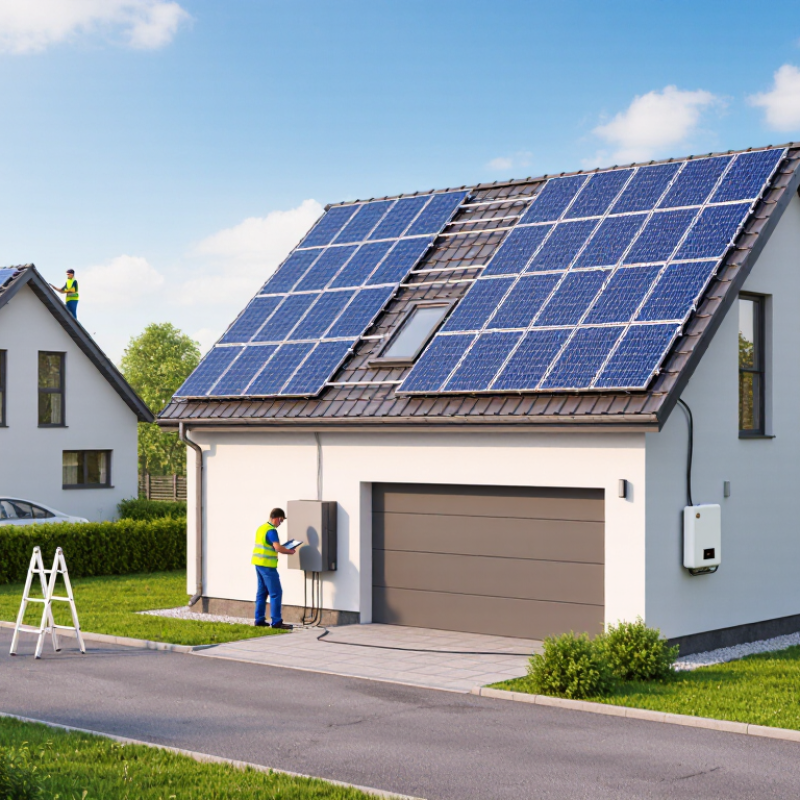
The panel count is only part of the bill. An installer’s quote may include an inverter, mounting hardware, electrical upgrades, permits, and grid connection work. A shaded roof or an aging electrical panel can add costs. Battery storage is usually a separate expense and may add several thousand dollars. Ask for a line-item estimate. Small details matter.
Compare quotes using the system size, estimated annual production, equipment warranties, and included services—not just the final price. Check whether the estimate assumes cash payment, a loan, or a lease; those figures are not directly comparable. Incentives also depend on location and current eligibility rules, so verify them with a qualified tax professional or local authority. The math is useful, but not perfect. A sunny-day production estimate can look reassuring, yet winter shade and household habits still affect savings. Be cautious when projected savings appear unusually certain.
2026 Top Solar Power for House: How Much Does It Cost?
Estimated U.S. residential solar installation costs by system size, before incentives
These planning estimates assume an installed price of about $2.50–$3.50 per watt: roughly $10,000–$14,000 for a 4 kW system and $30,000–$42,000 for a 12 kW system. Actual prices vary by location, roof, equipment, and installation complexity. Battery storage and incentives are not included.
Which Factors Determine a Home Solar Installation’s Cost
2026 Top Solar Power for House: How Much Does It Cost?
Which Factors Determine a Home Solar Installation’s Cost
A home solar quote depends on more than panel count. Lawrence Berkeley National Laboratory’s Tracking the Sun 2024 report found a median installed price of $3.15 per watt for residential systems installed in 2023. At that benchmark, an 8-kilowatt system would cost about $25,200 before incentives. That figure is a reference, not a promise; local quotes can differ substantially.
Roof condition and layout can change the price quickly. A steep roof, several roof faces, or a long distance to the electrical panel may require more labor and materials. Older wiring or a panel upgrade can add costs, too. Small details matter. NREL’s residential solar cost benchmarks account for items such as equipment, installation labor, permitting, and overhead, showing why hardware alone cannot explain a quote.
System size, local labor rates, and battery storage also shape the total. A battery adds equipment and installation costs, while shade or high household use may affect the system size a home needs. Compare quotes using the same system capacity and check whether they include electrical work, permits, and roof repairs. That estimate can still mislead. I would treat any single national average as a starting point, then ask an installer to itemize site-specific costs.
Typical 2026 Costs by Solar System Size
Typical 2026 Costs by Solar System Size
In the United States, a home solar installation in 2026 may cost roughly $2.50 to $3.50 per watt before incentives. A 5-kilowatt system could therefore run about $12,500 to $17,500, while an 8-kilowatt system may cost $20,000 to $28,000. Larger 10-kilowatt systems often fall near $25,000 to $35,000. These estimates generally cover panels, an inverter, and standard installation, but not battery storage.
Size should reflect household electricity use, not just roof space. A smaller home using about 6,000 kilowatt-hours yearly may need around 5 kilowatts, while a high-use home with air conditioning or an electric vehicle may need 8 to 10 kilowatts. Actual output depends on local sunlight, roof direction, shade, and seasonal weather. A shaded roof can change the math.
The quote can rise if the roof needs repairs, electrical equipment needs upgrading, or the installation is unusually complex. Adding a home battery may add roughly $8,000 to $15,000, depending on capacity and installation needs. Ask for system size, estimated yearly production, and total price before incentives in writing. These figures are planning ranges, not a promise. Local quotes may differ more than expected.
How Incentives and Financing Change the Upfront Price
A rooftop solar quote often shows the gross system price, not what a household may ultimately pay. Equipment, installation, electrical upgrades, and permits all affect the upfront figure. Incentives can lower the effective cost, but eligibility and timing depend on location and current program rules. Do not count advertised savings as guaranteed. Confirm details with an official source and request written estimates.
Tips: Compare at least three itemized quotes. Ask whether they include roof repairs, electrical upgrades, monitoring, and battery storage. Check when incentives are received: some reduce the invoice, while others arrive later. A lower monthly payment can still mean a higher total cost.
Financing changes cash flow, not necessarily the system’s overall cost. A loan may require little at signing, yet interest and fees increase the amount repaid. Compare the annual percentage rate, loan term, fees, and possible payment changes. Leases and power-purchase agreements may avoid a large purchase payment, but ownership usually remains with another party. Review transfer, maintenance, and early-exit terms. Estimates can miss things; shading or an older electrical panel may change the final bill. Leave room for surprises, and get a site assessment before budgeting around one number.
How to Estimate Total Costs and Long-Term Savings
Estimating a home solar system starts with more than the panel price. NREL’s Q1 2024 U.S. Solar Photovoltaic System Cost Benchmark put modeled residential, rooftop solar at about $3.15 per watt of direct-current capacity. Treat that as a reference, not a quote: roof condition, local labor, electrical upgrades, and battery storage can change the final bill. For a 7-kilowatt system, that benchmark suggests roughly $22,050 before incentives or site-specific costs. Three items matter. Request an itemized proposal showing equipment, permitting, installation, and any roof or electrical work.
Long-term savings depend on how much electricity the system produces and how your utility credits exported power. Compare estimated annual production with your past 12 months of bills, then check the utility’s current rates and export rules. The U.S. Energy Information Administration reports average residential electricity prices by state, useful for a rough comparison, but your bill is the better starting point. A simple estimate is annual bill savings minus loan payments, maintenance, and any financing costs. Include possible inverter replacement and panel output decline over time. The payback date can move.
Small details count. A shaded chimney, a south-facing roof, or a rate change may alter the math. I would not treat a sales estimate as a guarantee; ask for production assumptions and test a lower-output scenario before deciding.