How to Choose the Best Solar Panels for Your Home?
Choosing solar panels for home use is not just a question of finding the highest wattage. The right system should fit your roof, household electricity use, budget, and local climate. A sunny roof can still have shaded sections, awkward angles, or limited space. Small details matter.
Energy analyst Fatih Birol, Executive Director of the International Energy Agency, called solar “the new king of electricity.” That observation reflects solar’s growing role, but it does not mean every panel suits every home. Compare panel efficiency, product and performance warranties, temperature performance, and the installer’s track record. Ask for an estimate based on your actual utility bills, not a generic household profile. Check whether the proposal explains expected production month by month. Winter output may be lower than summer output, and estimates are not guarantees.
This guide explores how to weigh those factors before choosing solar panels for home installation. It also covers roof condition, system sizing, inverters, quotes, and questions to ask installers. A cheaper panel may look appealing, yet a weak warranty or poor installation can change the long-term value. And the perfect setup? It may not exist. Your roof, energy habits, and priorities are specific, so compare options carefully and verify claims with written documentation. One overlooked issue can matter. A little skepticism is useful. The goal is not to buy the most panels; it is to choose a reliable system that makes sense for your home.
Understanding How Residential Solar Panels Work
How to Choose the Best Solar Panels for Your Home?
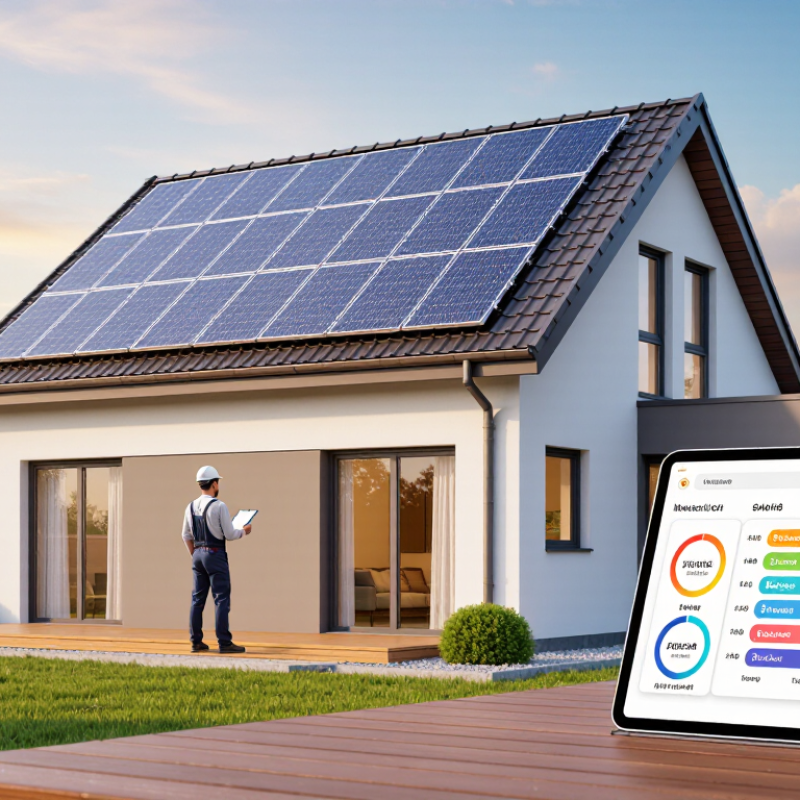
Understanding how residential solar panels work makes selection easier. Each panel contains photovoltaic cells that absorb sunlight and create direct current electricity. An inverter changes this electricity into alternating current for household appliances. Your home then uses the power immediately, while extra energy may flow to the grid or a battery.
A roof assessment should come before comparing panel prices. Check its direction, slope, age, and exposure to shade. Chimneys, trees, and nearby buildings can reduce output during parts of the day. A professional installer can measure these effects with site tools, not guesses.
Panel efficiency matters, but it is only one factor. A slightly less efficient panel may suit a large, sunny roof perfectly. Temperature performance, expected degradation, product protection, and installer workmanship also deserve attention.
Real homes are messier than diagrams. Dust, snow, wiring paths, and seasonal shadows can change production.
Ask for an estimated monthly output, not only the system’s peak rating. Review the proposal carefully.
Does it explain maintenance, monitoring, permits, and future repairs? Battery storage can help during outages, but it adds cost and complexity. It may not fit every household.
I would also question dramatic savings promises, because electricity rates and weather are never perfectly predictable. Leave space for doubt. That caution can prevent an expensive decision.
Assessing Your Home’s Solar Potential and Energy Needs
Assessing Your Home’s Solar Potential and Energy Needs
A sunny roof is helpful, but sunlight alone does not determine whether solar panels will suit your home.
Note the roof’s direction, pitch, age, and clear space. In the Northern Hemisphere, south-facing areas often receive strong exposure, though east- and west-facing roofs can still work. Nearby trees, chimneys, and taller buildings may cast shadows that shift throughout the day. Check them in different seasons. Winter shadows can be easy to overlook.
Your electricity bills reveal how much energy you use and when you use it.
Review a full year, since heating, cooling, and holiday gatherings can change demand. Look for patterns, not just the largest bill. A home that uses most power in the evening may benefit less from panels alone than one with daytime demand. Storage could help, but it adds cost and is not automatically worthwhile. Numbers matter.
Roof condition also deserves attention.
Replacing shingles after installation can mean extra expense, so consider the roof’s remaining service life. A qualified solar professional can assess shading, electrical capacity, and expected production using your location and roof measurements. Ask how estimates account for seasonal weather and system losses. Estimates are still estimates. I would compare them with my own bills and question any forecast that seems unusually precise.
Comparing Solar Panel Types, Efficiency, and Durability
Choosing solar panels means balancing type, efficiency, and durability against your roof and climate. Monocrystalline panels usually produce more electricity per square foot, which can help on a small roof. Their dark cells are easy to recognize. Polycrystalline panels often cost less, but may need more roof space for similar output. Thin-film panels are lighter and flexible, though their lower efficiency can make them less practical for typical home rooftops. Check current product specifications rather than relying on type alone; construction and testing vary.
Efficiency describes how much sunlight a panel converts into electricity under standard test conditions. It does not predict your exact bill savings. Shade from a chimney, winter sun, and roof direction all matter. Ask an installer to model your roof’s expected output using local weather data. A few percent difference on paper may matter less than a shaded corner at 3 p.m. Real roofs are messier than charts.
Durability is more than a strong frame. Look at the product and performance warranties, published degradation rates, and resistance ratings for wind, hail, and snow. Read the exclusions carefully. A long warranty is useful only if its terms are clear and the company remains reachable. I would compare several proposals, including estimated annual production and installation details. Even then, forecasts are estimates, not promises. A careful choice should fit your roof’s limits, not just the panel with the highest efficiency figure.
How to Choose the Best Solar Panels for Your Home?
Typical efficiency ranges by solar panel technology
Monocrystalline panels typically offer the highest module efficiency, followed by polycrystalline and thin-film panels. Actual performance varies by product and conditions. When comparing options, also consider available roof space, climate suitability, product and performance warranties, and expected degradation over time.
Evaluating Costs, Warranties, and Installer Credentials
How to Choose the Best Solar Panels for Your Home?
Evaluating Costs, Warranties, and Installer Credentials
A low quote can look attractive beside a sunny roof sketch. Compare the full installed price, not just the panels. EnergySage’s 2024 Solar Marketplace Intel Report put the median quoted U.S. residential system price at about $2.80 per watt in 2023. Your own quote may differ with roof condition, electrical upgrades, and local labor. Ask for itemized costs, expected annual production, and any assumptions about shade. Then compare at least three proposals on the same system size.
Read warranties with a pencil nearby. Panel performance warranties often promise a minimum output after a set period, but product coverage and labor coverage are different things. Check who pays to remove and reinstall a panel if it fails. The National Renewable Energy Laboratory’s review of photovoltaic field studies found a median degradation rate near 0.5% per year. That is a population-level estimate, not a prediction for your roof. Terms matter. Request the warranty document, not a sales summary.
Installer credentials deserve equal scrutiny. Verify required local licensing and insurance, then ask who will design and install the system. NABCEP certification can indicate relevant training, but it does not replace references or a site inspection. Call two recent customers, and ask whether the crew protected landscaping and explained the monitoring app. Small details count. I would also ask what happens if the installer closes; honestly, many buyers overlook that uncomfortable question. Compare workmanship coverage, service response times, and written production estimates before signing.
Selecting a System That Fits Your Home and Budget
Choosing a solar system starts with your actual electricity use, not the largest panel count a salesperson can fit on a roof. Review twelve months of bills and note when you use the most power. A south-facing roof may produce well, but shade from a chimney can cut output on specific strings. Ask for a shade analysis and an estimated annual production range, not just a best-case figure.
Budget matters. EnergySage’s 2024 Solar Marketplace Intel Report put the average quoted price for residential solar at about $2.69 per watt in the first half of the year. That is a marketplace average, not a guaranteed local price; roof repairs, permits, and electrical upgrades can change the total. Compare written quotes using the same system size, equipment assumptions, warranties, and cash or financing terms. Look closely at the payment schedule. Small differences add up.
Panel efficiency can help when roof space is tight, but it is not the only measure of value. Check the product warranty, expected degradation, and installer’s workmanship coverage. The National Renewable Energy Laboratory’s PVWatts tool can estimate production using a home’s location and system details; treat its result as an estimate, not a promise. I would also leave room in the budget for surprises. Older roofs sometimes need work sooner than expected, and that part is easy to overlook.