How to Use Muscovite Mica in Your DIY Projects?
muscovite mica is a fascinating mineral used in various DIY projects. Its shimmering appearance adds visual appeal to crafts and decorations. Many artisans appreciate its versatility, but working with muscovite mica can be challenging.
When incorporating muscovite mica, consider the size and shape of the flakes. Larger pieces can create stunning focal points, while smaller ones offer subtle highlights. It's essential to experiment with different applications to see what works best for your project. Sometimes, the results may not meet your expectations. This imperfection can lead to new ideas and unique designs.
In conclusion, using muscovite mica requires practice and patience. Embrace the mistakes along the way. Each project becomes a learning experience, bringing personal growth and creativity. Daring to try different techniques may surprise you with unexpected beauty.
Understanding Muscovite Mica: Properties and Characteristics
Muscovite mica is a unique mineral known for its excellent insulating properties. This natural silicate mineral is commonly found in granites and pegmatitic rocks. It has a layered structure, which makes it easy to separate into thin sheets. The light-reflecting qualities of muscovite mica can add a shimmer to various DIY projects. For example, when mixed with paints or plasters, it produces an eye-catching effect.
In recent studies, it has been noted that muscovite mica's thermal stability reaches up to approximately 600°C. This property is particularly useful for heat-resistant products. Additionally, muscovite mica is non-toxic and environmentally friendly. According to the U.S. Geological Survey, around 85% of muscovite mica mined is utilized for industrial purposes, highlighting its significance in manufacturing.
However, working with muscovite mica can be challenging. The sheets can be fragile and may require careful handling. Not all sources of mica are pure, so it’s important to ensure quality. This mineral is also known to be somewhat inconsistent in texture, which may affect project outcomes. Paying attention to these details can lead to better results in your DIY endeavors.
Best Sources for Obtaining Muscovite Mica for DIY Projects
Muscovite mica is a versatile mineral for DIY projects. It adds a unique touch to art, crafts, and home decor. To use it effectively, you must find quality sources. The demand for muscovite mica has surged, with market reports indicating a growth of over 5% annually in the last few years.
Local craft stores often carry muscovite mica. However, online suppliers provide a broader range. Websites specializing in natural minerals are excellent resources. They typically offer bulk options, which can save money. When purchasing online, ensure the seller is reputable. Check for reviews and ratings from previous customers before buying.
Tips: Always ask for samples if possible. This practice helps assess quality. Additionally, some projects may require specific sizes or grades of mica, so clarity on your needs is essential. Overlooking details can lead to frustrating results later. It’s beneficial to experiment with various sources to discover which best meet your project goals. Explore local mineral shops or gem shows for unique finds. These venues often provide insights into the materials too.
How to Use Muscovite Mica in Your DIY Projects? - Best Sources for Obtaining Muscovite Mica for DIY Projects
| Source Type | Description | Availability | Average Price per Unit |
| Bulk Suppliers | Large quantities of muscovite mica for industrial use. | Widely available | $50 - $100 per 10 lbs |
| Craft Stores | Small jars of muscovite mica for craft projects. | Available in most metropolitan areas | $5 - $15 per jar |
| Online Marketplaces | Various grades and colors available for diverse applications. | Easily accessible | $10 - $25 per bag |
| Specialty Mineral Shops | Expertly curated selection for hobbyists and artisans. | Limited availability | $20 - $40 per small package |
Preparing Muscovite Mica for Use in Crafts and Art Projects
Muscovite mica is a versatile mineral used in various crafts. Preparing it for use requires proper technique. Start by sourcing high-quality muscovite flakes. Inspect each piece for impurities. Clean the flakes gently with water to remove dust. Dry them completely before use.
Tips: Keep muscovite in an airtight container to maintain its quality. Light exposure can alter its sheen. This is important for art projects needing that perfect glow.
Muscovite can be used in paint, resin art, or decorative crafts. Its transparency adds depth to art pieces. Research shows that mica's reflective properties enhance visual appeal, making your projects shine.
However, note the weight of muscovite. Adding too much might affect the texture of your work. It's essential to find the right balance. Mix small amounts first, then adjust as needed. Enjoy the process and allow room for adjustments.
Creative Ways to Incorporate Muscovite Mica in Your Designs
Muscovite mica is a unique material that can add a touch of elegance to various DIY projects. Its shimmering qualities can enhance home decor items. Try incorporating it into handmade candles. Just mix mica powder into your wax for a beautiful swirl effect. The finished product will catch the light in the most mesmerizing way.
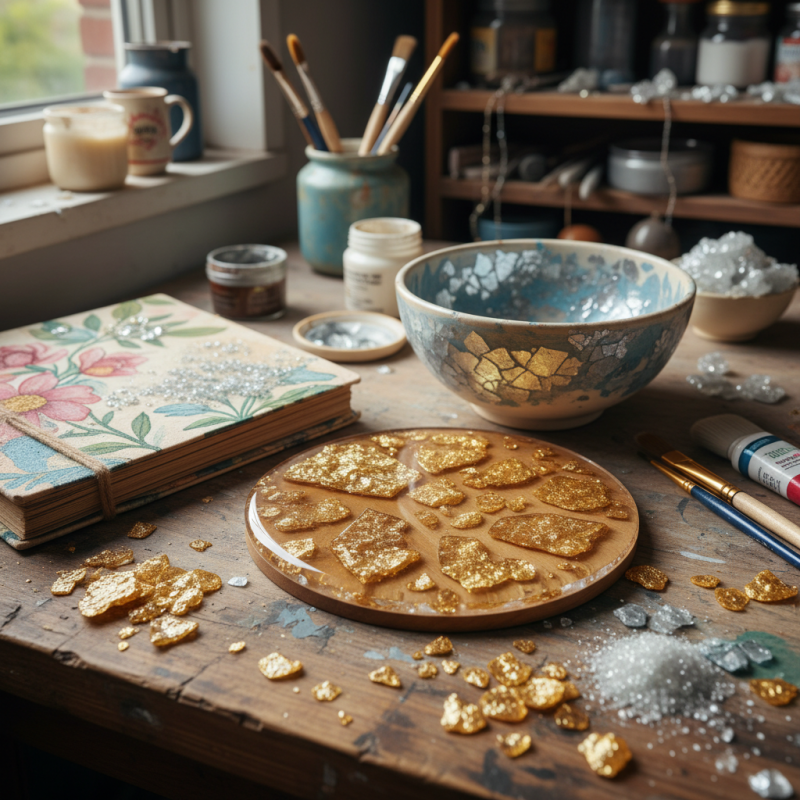
You can also use muscovite mica in art. It works well in resin projects. Create stunning coasters or jewelry by adding layers of mica flakes. The challenge lies in uniform distribution. Too much mica can make your piece look overdone. Balancing the amount is key. Experiment with different techniques for unique results.
Muscovite mica is perfect for embellishing various crafts. Add it to greeting cards or scrapbook pages for extra flair. It can even be sprinkled into homemade soaps for natural shimmer. While the process is fun, achieving the right look takes practice. Remember, imperfections can lead to unexpected beauty. Embrace the learning curve and enjoy the creative journey.
How to Use Muscovite Mica in Your DIY Projects
This bar chart illustrates the various creative applications of Muscovite Mica in DIY projects. The data reflects the popularity of specific uses based on a recent survey of DIY enthusiasts.
Safety Considerations When Working with Muscovite Mica
When working with muscovite mica in your DIY projects, safety is a top priority. Mica is generally considered to be a safe material. However, exposure to its fine particles can cause respiratory issues. According to the U.S. Environmental Protection Agency, prolonged inhalation of mica dust can lead to lung problems. It's important to minimize dust creation during your projects.
Wear a mask while cutting or sanding mica. Ensure your workspace is well-ventilated. Regularly clean surfaces to keep dust to a minimum. When using adhesives or paints, opt for non-toxic options. Some products emit harmful fumes. Check labels carefully to ensure your materials are safe.
Tip: Keep a damp cloth nearby to wipe your hands or surfaces. This helps reduce dust exposure. Avoid working on windy days or in poorly ventilated areas. Always have a first aid kit nearby. Accidents can happen, and being prepared is crucial. Remember to take breaks to maintain good health and focus. Don't rush your project; safety is more important than speed.