Top 10 Solar Panels for Home Use in China Are They Worth It?
As homeowners in China increasingly seek sustainable energy solutions, solar panels for home use have gained attention. In recent years, the demand for these systems has soared due to both environmental concerns and rising electricity costs. Yet, many homeowners remain unsure about their effectiveness and value.
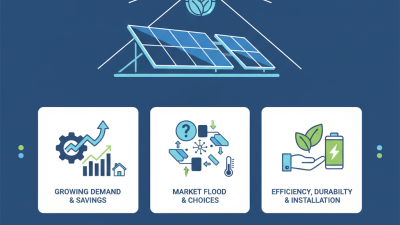
Choosing the right solar panels is not straightforward. Various brands and specifications can lead to confusion. It's essential to consider factors like efficiency, durability, and price. Some panels perform exceptionally well but come at a high initial cost. Other options are more affordable but may lack long-term reliability.
Additionally, installation complexities can discourage potential buyers. Many are uncertain about the return on investment. Analyzing your energy needs and the right technology can make a difference. With various choices available, understanding the landscape of solar panels for home use is crucial for making informed decisions.
Top 10 Solar Panels: An Overview of Performance Metrics
Choosing the right solar panel for home use in China involves understanding key performance metrics. Efficiency, durability, and cost-effectiveness are vital factors. High efficiency means more energy generated per square meter, crucial for smaller rooftops. Panels with over 20% efficiency are generally desirable. They convert sunlight to electricity more effectively, reducing payback time.
Durability is another significant metric. Solar panels must withstand harsh weather conditions common in various Chinese regions. Look for panels with robust materials and a solid warranty. Some products may not hold up over time. This lack of longevity can lead to unnecessary expenses.
The cost aspect is often overwhelming. Installation prices vary widely. Making an informed decision requires understanding the total cost of ownership, not just the initial price. Some panels may seem cheaper but could cost more in the long run due to lower efficiency or durability. Balancing these performance metrics is essential for making a wise investment in solar energy. Investing in solar panels is a significant commitment. Reflecting on potential long-term savings and environmental benefits can clarify your decision.
Top 10 Solar Panels for Home Use in China - Performance Overview
Market Demand for Solar Panels in China: Trends and Projections
The market for solar panels in China is experiencing significant growth. According to a recent report by the China Photovoltaic Industry Association, the demand for solar panels is expected to reach 150 gigawatts (GW) by 2025. This represents a compounded annual growth rate of approximately 20%. Such growth indicates a strong shift towards renewable energy sources amid rising environmental concerns.
Recent trends show that homeowners are increasingly interested in solar energy. A survey conducted by the National Energy Administration found that over 60% of residents are open to installing solar panels. The motivations include cost savings on electricity bills and a desire for energy independence. However, the initial investment remains a barrier for many potential users. With an average installation cost of around $1,500 per kW, affordability continues to be a complex issue for countless households.
In terms of efficiency, advancements in technology are promising. The latest models can achieve energy conversion rates of up to 22%. Yet, the market still faces challenges, such as inconsistent government policies and fluctuating materials costs. As the industry evolves, these factors must be addressed for sustained growth.
Cost-Benefit Analysis of Solar Panels for Residential Use in China
Installing solar panels for residential use in China is increasingly popular. However, whether it is worthwhile requires careful consideration. According to a recent report by the China Photovoltaic Industry Association, homeowners can save an average of 30% on electricity bills annually. The initial investment for solar panels can be significant, typically ranging between ¥30,000 to ¥100,000 depending on the system size.
While the financial savings are appealing, potential buyers should analyze long-term benefits. The average lifespan of solar panels is 25 years. During this period, homeowners may generate savings of up to ¥150,000, assuming stable electricity prices. Yet, unpredictable environmental factors can negatively impact efficiency. Dust accumulation, for instance, can reduce energy output by 20%, questioning projected savings.
Furthermore, government subsidies may influence decisions positively. The current subsidy scheme offers around ¥0.30 per kilowatt-hour for commercial users. Residential incentives vary, which affects the cost-benefit balance. Homeowners should conduct a personalized cost-benefit analysis based on location and energy needs. Making informed decisions involves examining both immediate and future implications.
Top 10 Solar Panels for Home Use in China - Cost-Benefit Analysis
| Model |
Efficiency (%) |
Price (CNY) |
Warranty (Years) |
Average Annual Savings (CNY) |
Payback Period (Years) |
| Solar Panel A |
20.5 |
5000 |
25 |
1500 |
3.3 |
| Solar Panel B |
21.0 |
5500 |
30 |
1600 |
3.4 |
| Solar Panel C |
19.5 |
4800 |
25 |
1400 |
3.4 |
| Solar Panel D |
22.0 |
6000 |
30 |
1700 |
3.5 |
| Solar Panel E |
18.0 |
4500 |
20 |
1300 |
3.5 |
| Solar Panel F |
20.0 |
5200 |
25 |
1550 |
3.4 |
| Solar Panel G |
21.5 |
5700 |
30 |
1650 |
3.5 |
| Solar Panel H |
19.0 |
4600 |
25 |
1450 |
3.2 |
| Solar Panel I |
20.0 |
5500 |
25 |
1500 |
3.7 |
| Solar Panel J |
22.5 |
6300 |
30 |
1800 |
3.5 |
Comparative Review of Efficiency Ratings for Leading Solar Panel Brands
In the rapidly growing solar market in China, choosing the right panels can be daunting. Efficiency ratings play a crucial role in evaluating solar panel performance. These ratings indicate how much sunlight the panel converts into electricity. Higher efficiency often translates to better energy output, especially when space is limited on rooftops.
Many leading brands offer efficiency ratings that vary significantly. Some panels reach over 22% efficiency, while others hover around the 15% mark. It's essential to consider how this impacts overall energy production. For homeowners, the difference can mean higher electricity savings in the long run. Additionally, some areas may not receive consistent sunlight, making efficiency even more critical.
However, higher efficiency panels may come at a premium cost. This raises questions about whether the investment is worth it. Some users report feeling dissatisfied if the performance doesn't match expectations. Researching independent reviews and statistics can help provide clarity. Weighing the pros and cons is vital. A detailed comparison based on real-life experiences will guide decisions effectively.
Long-Term Durability and Warranty Insights for Home Solar Systems
When considering solar panels for home use in China, durability is crucial. A panel's lifespan often exceeds 25 years, but this depends on the materials used and environmental factors. In regions with harsh weather, solar panels might degrade faster. It's essential to examine manufacturer claims and verify them through reliable sources.
Warranties can reveal a lot about a solar panel's quality. A longer warranty period often suggests confidence in the product. Most manufacturers offer warranties ranging from 10 to 25 years. However, not all warranties cover the same aspects. Understanding what is included can guide your decision. Some warranties only cover performance and not physical damage.
Keep an eye on potential pitfalls. While some panels promise high efficiency, they might not deliver under real-life conditions. It’s wise to research beyond marketing claims. Regular maintenance can also affect a system's longevity and efficiency. Engaging with customer reviews and expert insights can help navigate these challenges effectively.