Top Solar Energy Solutions to Power Your Home Efficiently?
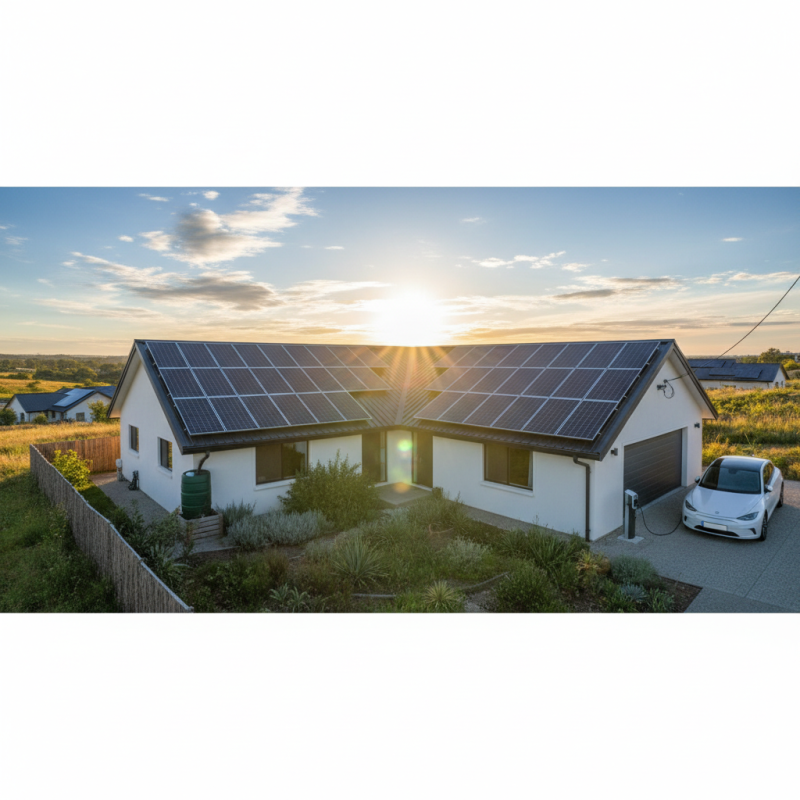
As energy costs rise, homeowners seek sustainable options. Solar energy solutions have garnered attention for their efficiency and effectiveness. These solutions harness the sun’s power, transforming it into electricity for household use.
Investing in solar technology can reduce monthly bills and environmental impact. However, navigating available options can be challenging. Homeowners must consider various factors like location, sunlight exposure, and available incentives. Each home is unique, which means solutions must be tailored.
Choosing the right solar energy solutions involves some trial and error. What works for one home may not suit another. This variability raises questions about efficiency and cost-effectiveness. Reflecting on these aspects can lead to better decisions and optimal energy use.
Top Types of Solar Panels: Understanding Monocrystalline vs. Polycrystalline
When it comes to solar panels, two main types dominate the market: monocrystalline and polycrystalline. Monocrystalline panels are known for their high efficiency. They are made from a single crystal structure. This design allows them to convert sunlight into electricity more effectively. Homeowners often prefer them for limited roof space. However, they can be more expensive upfront and might not always be the best choice for everyone.
On the other hand, polycrystalline panels are made from multiple crystal structures. They tend to be less costly than monocrystalline panels. These panels offer decent efficiency but may require more space for installation. They look less visually appealing due to their speckled blue appearance. Some might find them less attractive on their homes. Each type has pros and cons, depending on the homeowner's needs and budget. Understanding these differences is crucial before making an investment. It’s essential to evaluate your energy requirements and roof capacity carefully.
Top Solar Energy Solutions to Power Your Home Efficiently
| Solar Panel Type |
Efficiency (%) |
Cost per Watt (USD) |
Lifespan (Years) |
Temperature Coefficient (%/°C) |
| Monocrystalline |
15-22 |
$0.70 - $1.00 |
25 |
-0.3 |
| Polycrystalline |
13-16 |
$0.60 - $0.90 |
25 |
-0.5 |
Evaluating Solar Inverters: Choosing the Right Type for Your Home
When considering solar inverters, there are several types to explore. String inverters, for example, connect all panels in series. This is a simple solution for homes with few shade issues. However, if trees or buildings cause shading, performance can suffer significantly. Homeowners need to think carefully about their specific conditions.
Microinverters work differently. They are attached to each panel individually. This means each panel operates independently. If one panel is shaded, others can still perform well. However, this system can be more complex and can involve higher initial costs. It’s essential to weigh these factors against potential energy savings.
Power optimizers provide another option. They can enhance the performance of string systems without the need for complete microinverter installation. They manage panel output for greater efficiency over varying conditions. It's not always a clear-cut choice. Each system has pros and cons. Understanding these helps in making an informed decision that suits your home's unique energy needs.
Battery Storage Solutions: Enhancing Solar Energy Efficiency and Usage
Battery storage solutions are essential for maximizing solar energy efficiency in homes. These systems allow homeowners to store excess energy produced during the day. This stored energy can be used during the night or on cloudy days. With effective storage, you can significantly reduce reliance on the grid.
Imagine a sunny day where your solar panels generate more power than you need. Instead of wasting that excess energy, a good battery system saves it for later use. This means that during peak hours, you draw on stored energy instead of grid electricity. It creates a more sustainable lifestyle and often cuts down energy bills. However, choosing the right battery isn't always straightforward. Different capacities, chemistries, and lifespans can complicate the decision-making process.
There’s often a hesitation regarding the initial investment. Prices for these systems can be daunting. Some might wonder if the long-term savings outweigh the upfront costs. A thorough assessment is crucial. Factors like energy usage, local climate, and future needs should be considered. It's an imperfect balance of risk and reward, but many find it worthwhile as they refine their energy habits over time.
Top Solar Energy Solutions to Power Your Home Efficiently
This bar chart displays the efficiency and usage of various battery storage solutions that enhance solar energy utilization in residential homes. The data reflects the average storage capacity and efficiency of different types of battery solutions.
Cost-Benefit Analysis of Solar Energy Installation and Long-term Savings
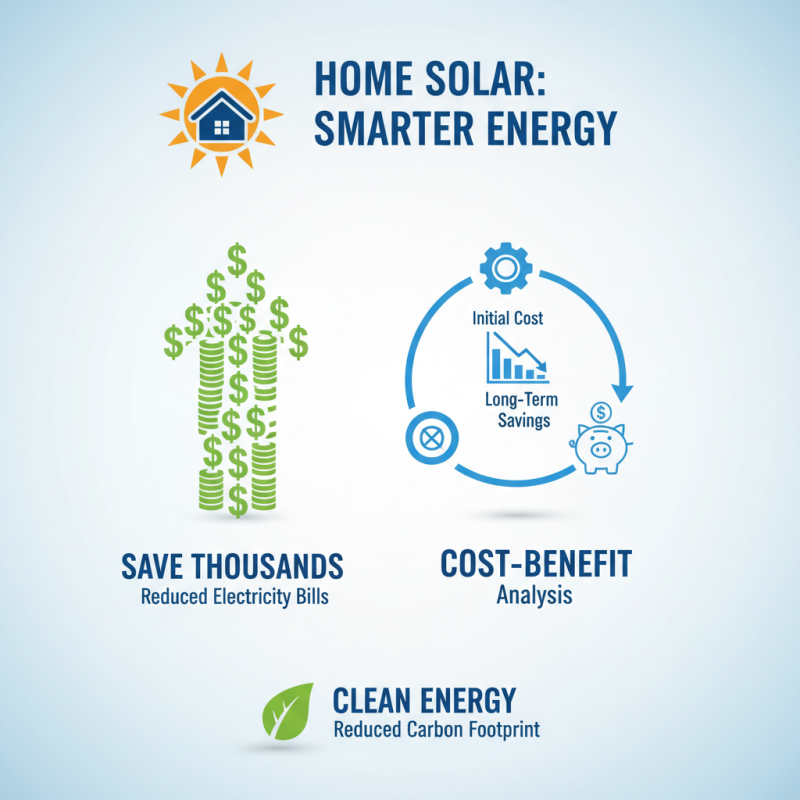
Installing solar energy systems at home can seem daunting. However, a cost-benefit analysis reveals significant long-term savings. Initial installation costs are high, yet the reduction in electricity bills can be substantial. Many homeowners report savings of thousands over the years. This makes solar an attractive option for many.
While upfront costs are significant, it is essential to consider incentives. Tax credits and rebates can reduce initial expenses. However, not all areas offer the same benefits. Homeowners must research local policies. Long-term, solar panels require minimal maintenance. They typically last 25 years or more. But they do not work in all weather conditions, causing fluctuations in savings.
It's also important to consider the energy needs of your household. Every home is different, and custom solutions may be necessary. Some homes may have limited roof space, impacting energy generation. Moreover, unexpected repairs or replacements can occur. Reflecting on these factors before installation can prevent future regret. Overall, the analysis highlights both challenges and opportunities in solar energy adoption.
Government Incentives and Rebates: Maximizing Your Solar Energy Investment
Government incentives and rebates can significantly lower the costs of solar energy systems. Many homeowners overlook these opportunities, missing out on potential savings. Local and federal programs often provide financial help, making solar installations more affordable. For instance, certain regions offer tax credits that can cover a percentage of installation costs. This financial boost can make solar power much more appealing.
Consider the application process carefully. It can be confusing, and some deadlines are easy to miss. Researching your local regulations is crucial. Examples of effective programs often vary by state, making it essential to stay updated. Sometimes, applying in phases can also help you qualify for different incentives.
While the initial investment can be high, the long-term benefits are undeniable. Energy bills will decrease, and the environment will benefit. However, it’s important to note that not all homes are suited for solar power. Factors like roof orientation and shading need consideration. It is wise to evaluate these elements along with the incentives available.