What are the Top PV Panels for 2026?
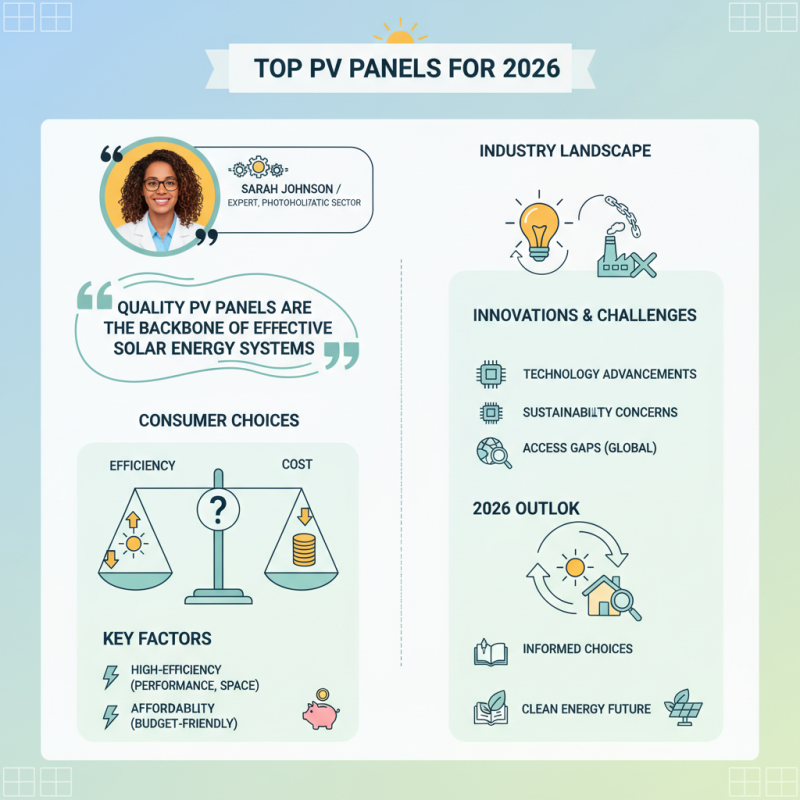
In the rapidly evolving world of solar energy, selecting the best PV panels for 2026 is crucial. Expert Sarah Johnson, a leading voice in the photovoltaic sector, states, "Quality PV panels are the backbone of effective solar energy systems." As the demand for clean energy rises, consumers seek reliable and efficient options.
Today's market features various PV panels, each with distinct advantages. For instance, high-efficiency models promise better performance and lower space requirements. Meanwhile, affordability remains a key factor for many buyers. It's evident that consumers often have to weigh efficiency against cost, creating a dilemma.
Innovations in technology are reshaping the landscape. Yet, challenges persist. Not all manufacturers prioritize sustainability in production. Moreover, some regions still lack access to advanced solar solutions. As we approach 2026, thoughtful consideration of these aspects will guide informed choices in PV panels.
Top Factors Influencing PV Panel Selection for 2026
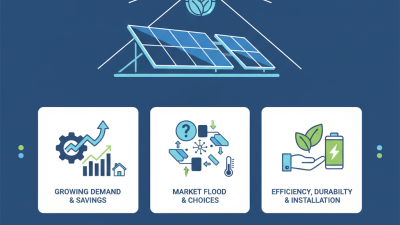
In 2026, choosing the right photovoltaic (PV) panels will be influenced by several key factors. Efficiency is critical. Higher efficiency panels capture more sunlight. This leads to better energy output. A panel that produces more energy in a limited space is often more appealing. However, efficiency doesn't tell the whole story.
Durability plays a significant role in selecting PV panels. Panels must withstand diverse weather conditions. This includes heavy rain, snow loads, and extreme temperatures. Customers should consider warranties and performance guarantees. These can offer insights into a panel's longevity. Still, not all warranties are created equal. It’s essential to read the fine print carefully.
Cost remains a crucial consideration. Although low-cost panels may seem attractive, they can lead to higher long-term expenses. Hidden costs can arise from frequent replacements or inefficiencies. Furthermore, installation quality can vary widely. Many underestimate the impact of poor installation on panel performance. Careful planning and research are needed here. While the market offers great options, rushing into a purchase could lead to regrets later.
Key Innovations in PV Technology Expected by 2026
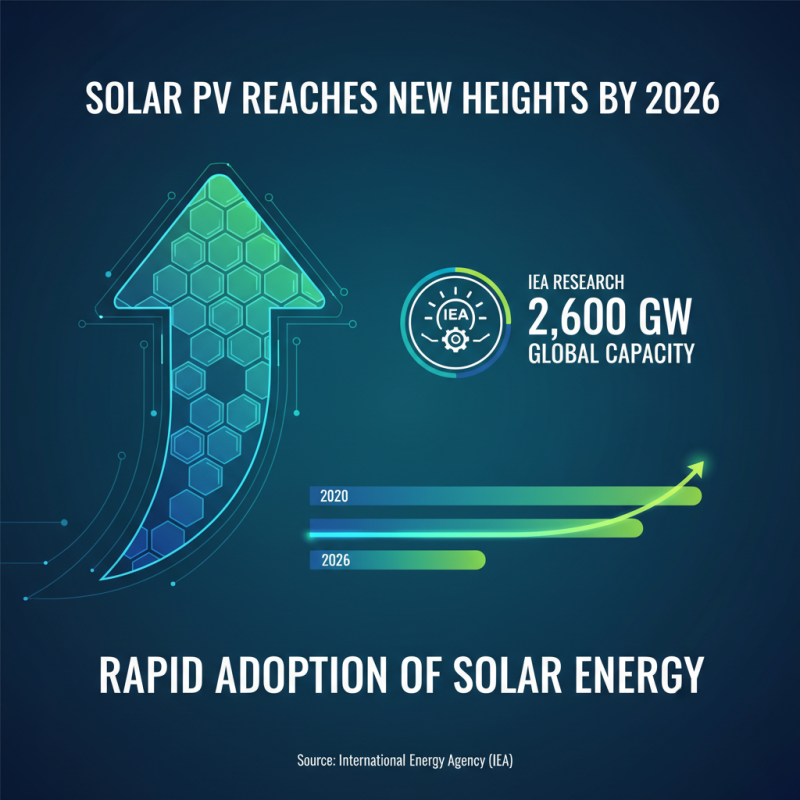
As we approach 2026, photovoltaic (PV) technology is poised for groundbreaking advancements. Research from the International Energy Agency (IEA) predicts that by 2026, solar photovoltaic capacity will reach 2,600 gigawatts globally. This is a staggering increase from previous years. These numbers highlight the rapid adoption of solar energy.
Key innovations focus on efficiency improvements. New materials, such as perovskite solar cells, promise efficiencies above 30%. Current silicon-based panels have maximum efficiencies around 22%. Transitioning to these advanced materials could drastically reduce costs in the long run. However, challenges remain in terms of stability and scalability.
Additionally, energy storage solutions are crucial for maximizing solar potential. Battery technology is evolving. By 2026, reports suggest that lithium-silicon batteries may increase energy density by 50%. This advancement could lead to longer storage durations, making solar energy more reliable. Still, there are concerns about environmental impacts and resource availability. The industry must reflect on sustainable practices to ensure responsible development.
Comparison of Leading PV Panel Brands for 2026
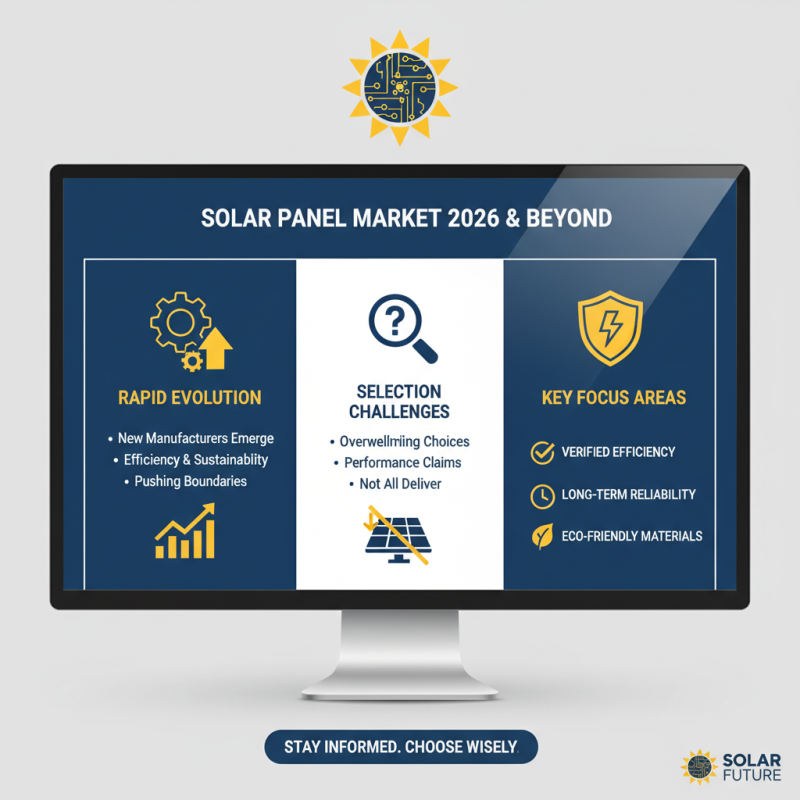
As we look towards 2026, the solar panel market is evolving rapidly. Different manufacturers are emerging, pushing the boundaries of efficiency and sustainability. The selection process can be overwhelming. Many panels claim superior performance, but not all live up to the hype.
When evaluating leading PV panels, consider their energy efficiency ratings. Some panels might boast high numbers, yet real-world performance can vary due to factors like environmental conditions. Durability and warranty terms often reveal more about a panel's reliability. The materials used are crucial, impacting lifespan and efficiency under different climates.
It's also important to assess overall value. Price alone doesn't determine worth. Installation and maintenance costs can add up. Research user experiences, as they provide insights often overlooked in technical specs. At times, the most presented data can mislead, so critical thinking is key. Balancing price, efficiency, and durability can guide better choices, but the search may feel daunting.
Environmental Impact and Sustainability of PV Panels in 2026
The environmental impact of photovoltaic (PV) panels in 2026 will be significant. As more people choose solar energy, understanding the sustainability of these panels is crucial. While they contribute to reducing greenhouse gas emissions, the production process also generates waste and pollution. It’s essential to balance the benefits and drawbacks.
Recycling technology for PV panels is still developing. Many panels end up in landfills, leading to resource depletion. In 2026, innovations may address this issue, but challenges remain. New materials may reduce waste but could introduce other environmental concerns. The lifecycle of these products needs careful consideration.
Public awareness is key. Communities must engage in discussions about the environmental footprint of solar technology. Consumers often overlook the entire production and disposal process. By fostering transparency, stakeholders can explore better options. This ongoing conversation can drive improvements in sustainability and environmental practices.
Forecast of Market Trends for PV Panels in 2026
As we look ahead to 2026, the solar photovoltaic (PV) market is set to experience dynamic trends. New technologies will push efficiency rates higher. Manufacturers are focusing more on sustainability. Recycling old panels is becoming more common. The push for eco-friendly practices will shape consumer choices.
Tip: When considering PV panels, do your research. Look at the efficiency ratings and warranties. Not all panels are created equal. A panel might look great but underperform in real-world conditions. Balance quality and price in your decision-making process.
The market is also shifting towards integrated solutions. Bifacial panels are gaining traction. They capture sunlight on both sides, increasing energy production. However, they might not be suitable for every roof type. Buyers need to consider their specific situation carefully.
Tip: Always consult with an expert. They can guide you through complex choices. Make sure you understand the installation process and costs before committing. A clear plan leads to better outcomes. A well-informed decision can save you headaches later.
Top PV Panels for 2026