Why Is Solar Energy Gaining Popularity in the UK?
In recent years, solar energy uk has become a hot topic among experts and everyday consumers alike. Dr. Emily Finch, a prominent renewable energy analyst, states, “The shift towards solar energy in the UK reflects a broader commitment to sustainable living.” This growing interest is driven by several factors, including environmental concerns and the quest for energy independence.
As energy prices continue to rise, more homeowners are turning to solar power. The UK boasts an increasing number of installations, making solar energy more accessible. However, challenges remain, such as initial costs and public misconceptions.
Despite these hurdles, the benefits are clear. Solar energy not only reduces carbon emissions but also empowers communities. Yet, some still question its efficiency, particularly in less sunny climates. We must address these doubts while embracing the potential of solar energy uk for a greener future.
The Rise of Solar Energy Adoption in the UK: An Overview of Trends
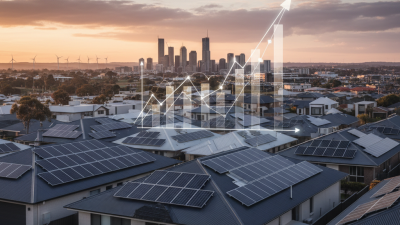
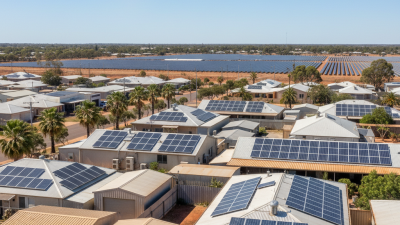
Solar energy is experiencing a surge in popularity in the UK. This shift is partly due to rising energy costs and environmental concerns. Many households are seeking sustainable solutions. Solar panels on rooftops are now a common sight. Increased awareness about climate change drives this trend.
Local councils are encouraging solar installations. Some offer incentives for homeowners. However, not all regions benefit equally. Urban areas face challenges such as shading and space constraints. Rural areas often have more room but may lack financial support. This creates disparities in adoption rates across the country.
Public sentiment is changing. Many people see solar energy as a long-term investment. The initial cost can be high, yet savings on utility bills entice many. As technology improves, efficiency and affordability are expected to increase. It’s essential to consider all aspects before choosing solar energy. Balancing benefits against challenges is crucial for successful adoption.
Key Factors Driving Solar Energy Popularity in the UK Market
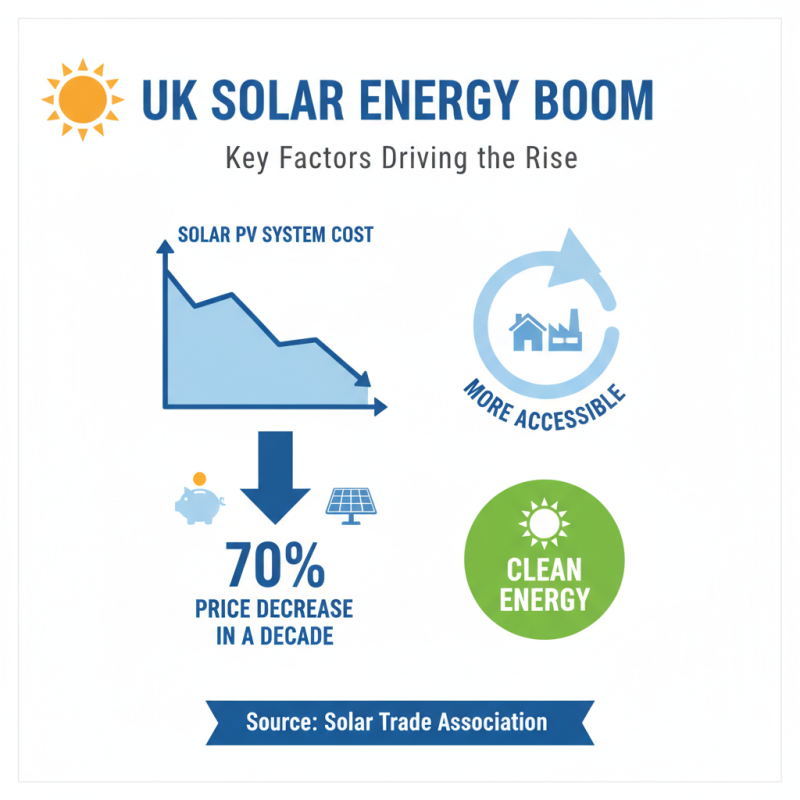
Solar energy is increasingly popular in the UK. Several key factors contribute to this rise. The declining costs of solar technology are significant. According to the Solar Trade Association, the price of solar photovoltaic (PV) systems has plummeted by over 70% in the past decade. This makes solar more accessible for households and businesses.
Furthermore, government policies play a crucial role. Incentives and support programs encourage solar adoption. The UK government's commitment to achieving net-zero emissions by 2050 boosts investment in renewable energy sectors. In 2022, around 40% of the electricity came from renewables, with solar accounting for a growing share.
Public awareness of climate change also drives interest. Many people want sustainable solutions. However, challenges remain. The intermittent nature of solar energy raises concerns about reliability. Energy storage solutions are still developing. As technology improves, the future for solar energy in the UK appears bright, but not without hurdles.
Government Initiatives and Incentives for Solar Energy Development
The UK has seen a surge in solar energy adoption. This shift is largely driven by government initiatives. Various financial incentives are now available. The Feed-in Tariff program allows homeowners to get paid for the energy they produce. This program has been a game-changer, promoting the installation of solar panels across the country.
Grants and loans are also part of the government's strategy. They help offset installation costs for households. The Green Homes Grant allows families to receive funding. However, not everyone knows about these programs. Many still hesitate to switch to solar energy. This lack of awareness poses a challenge. It raises questions about how effective these initiatives truly are.
Local authorities are now encouraged to adopt solar projects. They can partner with communities for shared benefits. Yet, discrepancies exist in implementation. While some areas thrive, others lag behind. This inconsistency invites reflection on the policymakers’ approach. Are they doing enough to ensure equitable solar energy access? The answers remain complex and layered.
Impact of Technological Advancements on Solar Energy Efficiency
Solar energy is becoming more popular in the UK due to several factors. One significant aspect is the rapid advancement in technology. Innovations such as improved photovoltaic cells are boosting solar energy efficiency. These developments mean that more sunlight can be converted into usable energy. For homeowners, this is a game changer.
Many people still doubt the reliability of solar energy. The intermittent nature of sunlight can raise concerns. However, recent technological strides have led to better energy storage solutions. Batteries can now hold more energy for longer periods. This ensures that solar energy can be used even when the sun isn't shining.
Tips: Consider integrating solar panels with smart home systems. This can maximize energy usage and efficiency. Regular maintenance of solar panels can prevent efficiency drops. Be mindful of local regulations on solar installations. Understanding potential financial incentives can also ease the upfront investment.
Economic and Environmental Benefits of Solar Energy in the UK
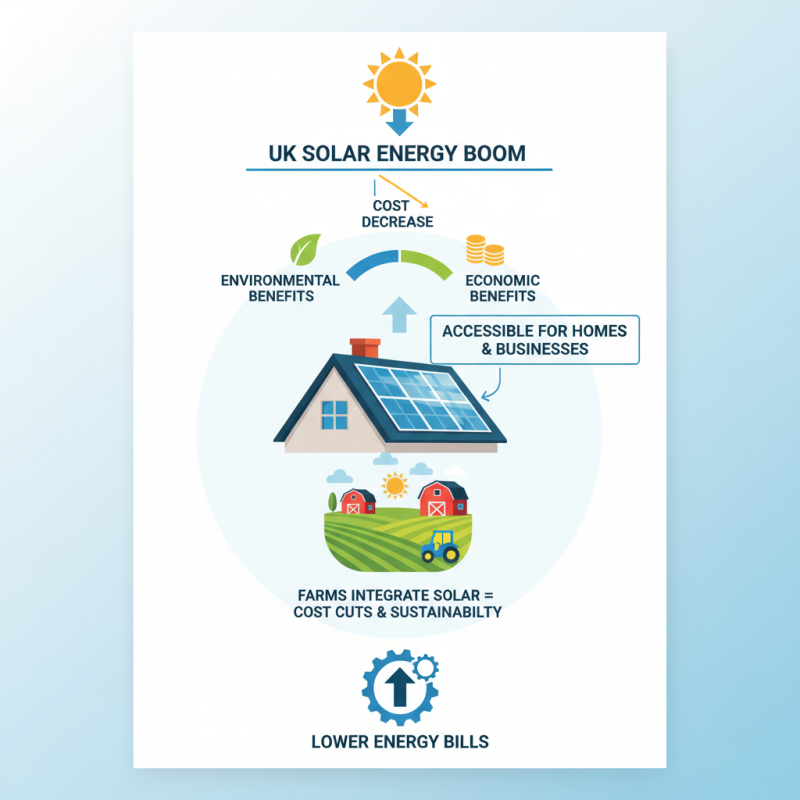
Solar energy is gaining traction in the UK due to its economic and environmental benefits. The cost of solar panels has decreased significantly in recent years. This reduction makes solar energy more accessible for homeowners and businesses. Many are now investing in solar installations, expecting to lower their energy bills. Some farms are even integrating solar systems into their operations. It helps in cutting costs while contributing to sustainability.
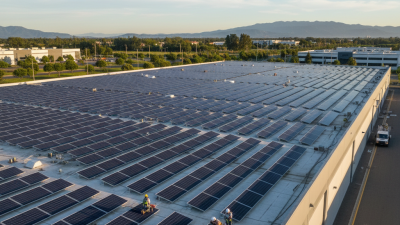
The environmental advantages are also compelling. Solar energy is clean and renewable, unlike fossil fuels, which produce harmful emissions. By harnessing sunlight, the UK can reduce its carbon footprint. Larger solar farms can generate substantial energy, helping to boost grid stability. This shift contributes to the country’s climate goals. However, some people still perceive solar energy as unreliable. They worry about the intermittency of sunshine. These concerns indicate a need for better energy storage solutions. Additionally, planning regulations can make solar installations tedious. Addressing these issues is crucial for wider adoption.