How to Get Free Solar Panels for Your Home and Save on Energy Costs?
Many homeowners are looking for ways to save on energy costs. One popular solution is to install solar panels. The idea of free solar panels is intriguing. It sounds appealing, but it may come with hidden challenges.
Homeowners can access programs offering free solar panels. These initiatives aim to promote renewable energy use. However, not everyone qualifies. Eligibility depends on factors like location and income. Additionally, some programs might require a long-term commitment.
Understanding the details is crucial. While free solar panels can reduce costs, they may not cover every energy need. Users should explore options and read the fine print carefully. Free does not always mean without responsibilities. Transparency is key in this process, allowing homeowners to make informed decisions.
Understanding Solar Panel Funding Options for Homeowners
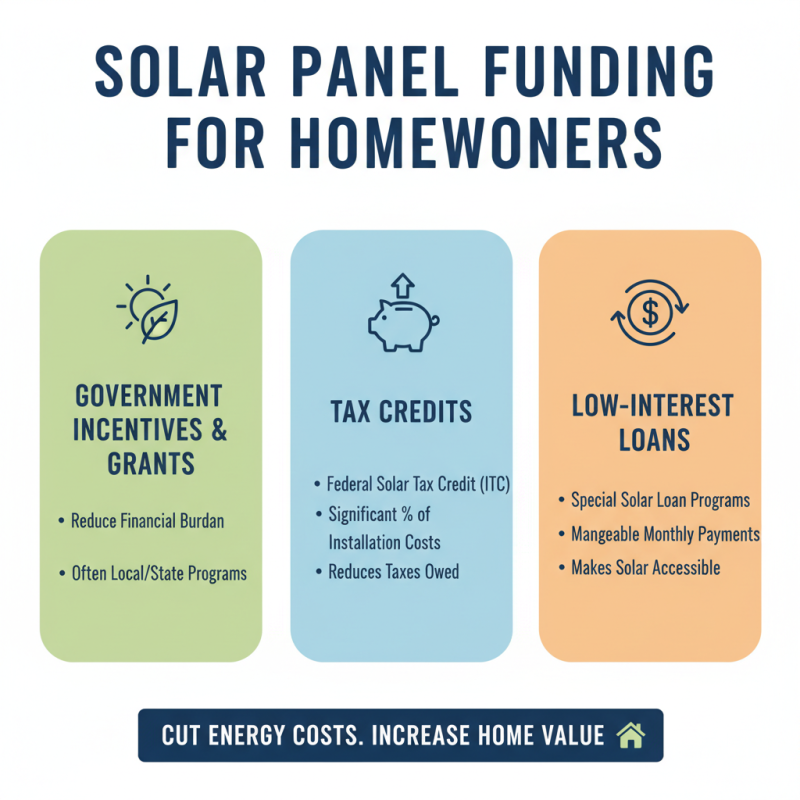
Homeowners looking to cut energy costs often consider solar panels. Understanding funding options can make this transition more accessible. Government incentives and grants often reduce the financial burden. Many areas provide tax credits. These can offset installation costs significantly. Additionally, some programs offer low-interest loans. This makes solar energy feasible even for tight budgets.
Another option is leasing solar panels. In this case, homeowners can pay a monthly fee instead of an upfront cost. However, this might lead to lower long-term savings. It’s important to compare these options carefully. Some homeowners may find that the return on investment isn’t as high as expected. Evaluating energy savings against installation costs requires diligence.
Finding free or subsidized solar panels often involves navigating local programs. Researching community initiatives can reveal hidden support. Not every program is easy to access or understand. Homeowners should be prepared for some trial and error along the way. Seeking advice from experts can provide clarity. Yet, it’s essential to remain critical and willing to reflect on financial implications.
Exploring Government Incentives and Grants for Solar Installations
Many homeowners are exploring solar energy as a way to save on their energy bills. Government incentives and grants play a crucial role in making solar installations more affordable. According to the U.S. Department of Energy, federal tax credits can cover up to 26% of the installation costs. Some states have additional rebates, further reducing the upfront expenses.
Tips: Check local government websites for available programs. Many offer financial assistance for solar panel systems. Be mindful, though, that eligibility criteria can vary. It’s essential to read the fine print. Sometimes, grant applications can be lengthy and complex.
You may also need to consider the long-term commitment. A solar installation represents a significant investment. While many programs assist with initial costs, homeowners should factor in maintenance and eventual repairs. The balance between immediate savings and future expenses can be tricky. Engage with local forums or community groups for insights. Sharing experiences can often reveal hidden challenges in navigating these financial landscapes.
How to Get Free Solar Panels for Your Home and Save on Energy Costs? - Exploring Government Incentives and Grants for Solar Installations
| Incentive Type |
Description |
Eligible States |
Average Savings |
| Federal Tax Credit |
A federal tax credit that allows homeowners to deduct a percentage of their solar installation costs from their federal taxes. |
All States |
Up to 26% of installation costs |
| State Solar Grants |
Direct financial aid provided by state governments to support solar panel installations. |
Varies by state |
$1,000 - $5,000 |
| Net Metering |
Allows homeowners to sell excess energy produced by their solar panels back to the grid. |
Most States |
Variable based on energy production |
| Property Tax Exemption |
Exempts the added value of solar installations from property taxes. |
Many States |
Potentially thousands per year |
Finding Local Programs and Nonprofits Offering Free Solar Panels
Finding local programs and nonprofits that offer free solar panels can significantly reduce your energy costs. Many communities have initiatives in place to help homeowners access renewable energy. Start by searching online for local solar panel programs. Use keywords like "free solar panels" and your city name. Many nonprofits aim to help families with low income. They provide installations at no cost or with minimal fees.
Tips: Check eligibility requirements. Some programs require specific income levels or property criteria. Reach out to your local government for information. They may have resources or grants that can assist. Also, consider joining community groups or forums. Residents often share their experiences and advice.
Another avenue is to explore solar cooperatives in your area. These groups gather resources to lower costs for members. The more people involved, the better the deal.
Be wary of scams. Research the organizations offering free panels. Look for reviews or testimonials from past participants. Stay informed and ask questions. Some offers may seem too good to be true. Take your time to weigh options before committing.
Evaluating the Benefits of Community Solar Projects for Cost Savings
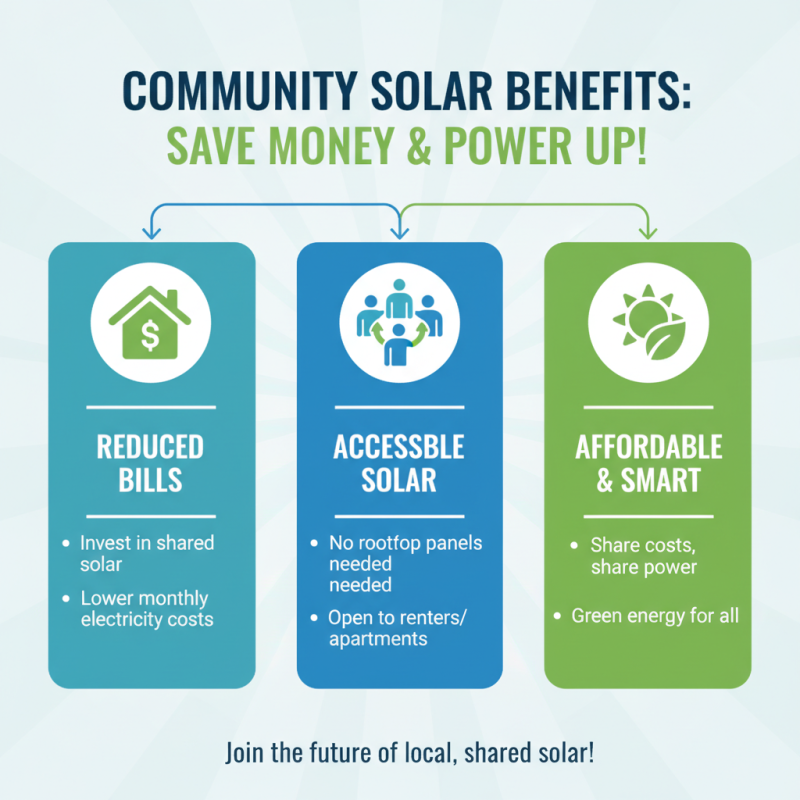
Community solar projects offer a unique solution for homeowners looking to save on energy costs. These initiatives allow residents to invest in solar energy collectively. Instead of installing panels on individual rooftops, participants buy into a shared solar farm. This arrangement can make solar energy more accessible and affordable for those who cannot install panels at home.
Many are hesitant, thinking they won’t see immediate benefits. However, community solar can provide lower energy bills over time. Participants may also receive credits on their utility bills, creating additional savings. It’s crucial to examine the terms and conditions carefully, as fluctuations in energy prices can impact long-term savings. Some projects may have hidden fees. Involvement in these programs can teach homeowners about renewable energy’s potential and limitations, as well.
Engaging in community solar also fosters a sense of community. Local residents unite for a common goal: sustainable energy. This engagement can lead to discussions about energy consumption. Yet, some may feel disconnected from decision-making processes. Understanding all aspects is vital. Embracing community solar is an evolving journey, full of shared experiences and lessons learned.
Preparing Your Home for Solar Panel Installation and Maintenance
Preparing your home for solar panel installation requires thoughtful planning. Start by assessing your roof’s condition. A sturdy roof is essential for supporting solar panels. According to a 2022 report from the Energy Information Administration, homes with a good roof can benefit from solar energy significantly. Cracks or leaks must be fixed before installation.
The orientation of your roof matters. South-facing roofs typically harness more sunlight. This can increase energy production by up to 30%, as per findings from the National Renewable Energy Laboratory. However, not all homes have ideal roof angles. In such cases, ground-mounted systems may be viable, requiring additional space.
Maintain your solar panels for optimal performance. Regular cleaning can boost efficiency, as dirt and debris can block sunlight. Studies show that neglected panels can lose up to 25% of their energy output. Schedule inspections to ensure all components function correctly. Remember, solar energy is a long-term investment. Careful preparation leads to better savings in the future.
Annual Energy Savings from Installing Solar Panels
This bar chart illustrates the potential annual savings on energy costs for homeowners who have installed solar panels from 2019 to 2023. The increasing savings demonstrate the financial benefits of utilizing solar energy over time.