10 Essential Tips for Installing Your Solar Panel System Successfully
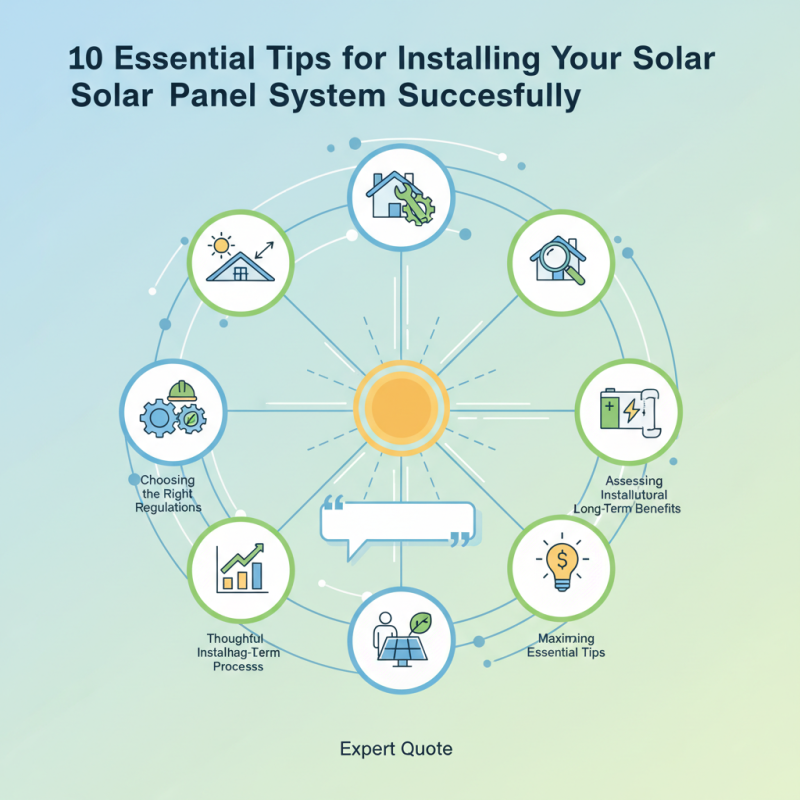
Installing a solar panel system can be a rewarding yet challenging process. Industry expert Dr. Emily Carter emphasizes, "Proper installation is key to maximizing efficiency." This highlights the importance of following essential tips.
When considering a solar panel system, homeowners often overlook crucial details. For instance, choosing the right location for panels can affect their performance significantly. Not all roofs are ideal. Additionally, understanding local regulations may prevent unexpected issues during installation.
Investing in a solar panel system requires thoughtful planning. Many skip the inspection phase, which can lead to costly mistakes. It’s vital to assess structural integrity before proceeding. A thoughtful installation process not only reduces errors but also enhances long-term benefits.
Understanding Your Solar Panel System Options
When considering solar panel systems, understanding your options is crucial. Photovoltaic (PV) systems dominate the market, and they convert sunlight directly into electricity. In 2022, the global solar PV market reached 1,580 gigawatts, showcasing a growing interest. Consumers must evaluate whether they prefer traditional panels or innovative technologies like bifacial panels. Bifacial systems can capture sunlight on both sides. This can enhance efficiency by up to 30%.
Another choice involves system configuration. Grid-tied systems connect to the local electricity grid. These systems allow users to sell excess energy back, creating potential savings. However, they can pose a challenge during power outages. Alternatively, off-grid setups offer independence from the grid. They usually require battery storage, which adds costs and complexity. The U.S. Department of Energy highlights that battery prices have fallen by over 80% since 2010, making off-grid solutions more feasible for homeowners.
Installation location also affects performance. Orienting panels south maximizes sun exposure. This decision should factor in potential obstacles such as trees or neighboring buildings. Conducting a shade analysis can help with this assessment. Keep in mind that improperly placed panels can reduce efficiency significantly. Understanding these details ensures a successful installation.
Solar Panel System Options Comparison
Evaluating Your Home's Solar Potential
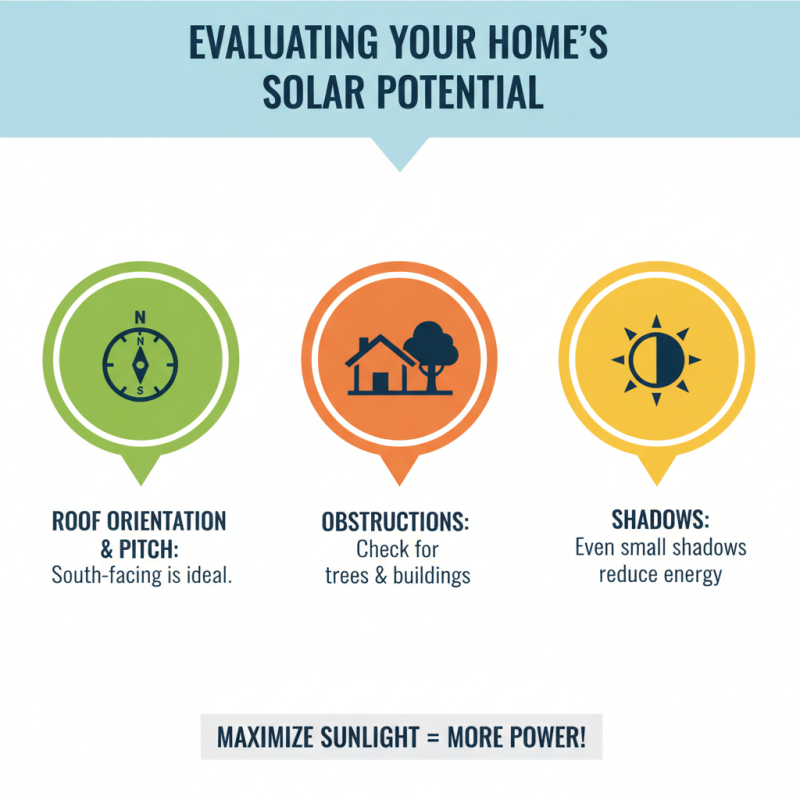
When evaluating your home’s solar potential, it’s crucial to assess several factors. Start by examining your roof's orientation and pitch. South-facing roofs often capture the most sunlight. Look for any nearby obstructions, like trees or buildings, that might cast shadows. Even a small shadow can impact energy production.
Consider the climate in your area. Areas with more sunshine naturally generate more solar energy. Research the average sunlight hours to estimate possible energy yield. This will provide insights into whether solar panels can meet your power needs effectively.
Tip: Conduct a shade analysis during different seasons. This can reveal how shadows change with the sun's position. Also, check your energy usage patterns. Understanding your daily and seasonal consumption helps determine the size of the system you might need.
Finally, think about your home's wiring and electrical infrastructure. An outdated system may require upgrades before installation. This might add costs, but it's crucial for efficiency. Sometimes, the ideal solar panel array may not equal the best home setup. Reflect on your findings before deciding.
Selecting the Right Location for Solar Installation
When installing a solar panel system, selecting the right location is crucial. A study by the National Renewable Energy Laboratory (NREL) shows that proper placement can increase energy production by up to 30%. Aim for a south-facing roof or an area free from trees and buildings. Avoid shadows. They can significantly reduce efficiency.
Tip: Always analyze your roof’s angle and size. An optimal angle, typically between 30 to 45 degrees, captures maximum sunlight. A flat roof can also work, but additional mounts may be necessary.
Consider weather patterns in your location. Locations with high average sunlight hours yield more energy. According to the Solar Energy Industries Association (SEIA), regions like Arizona enjoy more than 300 sunny days a year. This makes them ideal for solar installations. But, be wary of heavy snowfall in winter, as it can obstruct panels.
Tip: Regularly check for debris or snow on panels. It’s an ongoing task that shouldn’t be overlooked. Neglecting this can lead to energy losses. The perfect spot might not always be obvious. Test different areas. Collect data on their performance. Adjust as needed. This trial-and-error approach can lead to the most efficient setup.
Assembling the Necessary Tools and Materials
When preparing to install your solar panel system, gathering the right tools and materials is crucial. You'll need a good drill, screws, and anchors. Don't forget about wire strippers and safety gear. A level will help ensure your panels are aligned properly. Avoid the mistake of starting without checking your toolbox. Missing even one tool can lead to delays and frustration.
Set aside enough time to gather materials. You will need solar panels, an inverter, and mounting racks. It’s vital to have appropriate cabling and connectors. Many overlook these details until the last minute. Lay everything out in an organized manner. Check twice that you have all components before starting. Make a list to avoid the hassle of running to the store during installation.
Reflect on your workspace too. A cluttered area can lead to accidents. Clear out debris to create a safe environment. Ensure you have access to the roof or mounting area. Weather conditions can change, impacting your timeline. If it's windy or rainy, consider postponing. It’s better to wait than rush the installation.
Ensuring Safety and Compliance During Installation
Installing a solar panel system can be a rewarding experience, but safety and compliance are crucial. Before starting, check local regulations. Obtain the necessary permits to avoid fines. If you’re unsure, consult with local authorities. They can provide guidance on the requirements specific to your location.
Safety should be your top priority during installation. Use proper gear like gloves and helmets. Ensure that all electrical connections are secure. Poor connections can lead to hazards. It's also essential to work with someone experienced. Don't hesitate to ask for help. Sometimes, it's easy to overlook details, like grounding the panels correctly. Missing this step could lead to severe risks.
Once the installation is complete, conduct a thorough inspection. Look for loose wires and improper mounting. Make sure everything meets local codes. If something feels off, don’t ignore it. Reflect on your work. Ensuring safety and compliance is a responsibility that should not be taken lightly.