How to Choose the Best Home Solar System for Your Needs?
Choosing a home solar system is crucial for maximizing energy efficiency and saving costs. Renowned solar energy expert Dr. Emily Martinez emphasizes, "The right system can transform your energy future." Many homeowners face challenges when selecting the best solar panels, inverters, and batteries. The variety of options can be overwhelming.
Investigating your energy needs is vital. Every household has different consumption patterns. Solar systems should align with these needs. Consider factors like roof space, budget, and sunlight exposure. Understanding these elements can lead you to informed decisions.
Not all systems are created equal. Some may not provide adequate returns on investment. It's important to critically assess warranties and performance promises. A careful approach can result in a solar setup that truly benefits your lifestyle and finances.
Understanding Your Energy Needs for Solar Power
When considering a home solar system, understanding your energy needs is crucial. A recent report from the U.S. Energy Information Administration indicates that the average American household consumes about 877 kWh per month. This number can vary based on factors like climate, household size, and energy use habits. Knowing your monthly consumption helps you estimate the size of the solar system you will need.
Evaluate your energy habits. Do you use energy-intensive appliances? Consider peak usage times as well. For instance, running multiple air conditioners in summer can spike your electricity bills. A solar system typically has a lifespan of 25-30 years, so think long-term. Monitor your past utility bills for patterns. This will help pinpoint your actual needs.
Tips: Calculate your energy usage over a year. Factor in seasonal changes. Aim to future-proof your solar investment by anticipating any potential increases in electricity usage. A small increase can significantly affect your solar needs. Additionally, research local solar incentives. These can greatly impact your return on investment and savings. Understanding your energy needs ensures that your solar system fits perfectly.
How to Choose the Best Home Solar System for Your Needs?
| Criteria |
Details |
Importance Level |
| Energy Consumption |
Calculate your monthly energy usage in kWh. |
High |
| Solar Potential |
Assess how much sunlight your location receives. |
High |
| Budget |
Determine how much you can invest in a solar system. |
Medium |
| System Size |
Choose the size based on your energy needs. |
High |
| Inverter Type |
Select between string inverters and microinverters. |
Medium |
| Installation Space |
Evaluate the available roof or land space. |
High |
| Warranty & Maintenance |
Check the warranty period and maintenance requirements. |
Medium |
Evaluating Different Types of Solar Panels and Inverters
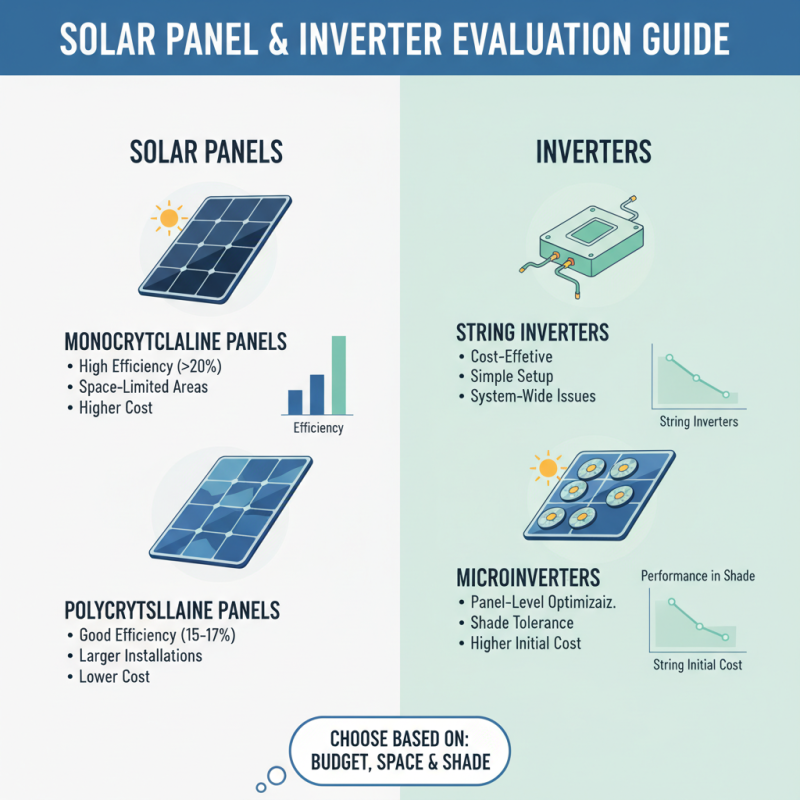
When evaluating different types of solar panels, consider efficiency and cost. Monocrystalline panels are known for their high efficiency, often exceeding 20%. They perform well in limited space but tend to be pricier. Polycrystalline panels, while slightly less efficient, are often more affordable. Their performance is reliable, especially in larger installations.
Inverters play a critical role in your solar system. String inverters are common for residential setups. They are cost-effective and simple to install. However, they have limitations with shading. Microinverters offer better performance in shaded areas, maximizing energy output. They can be more expensive, yet may yield higher returns over time.
Reflect on your specific needs and environmental factors. Take into account your roof space, local climate, and energy consumption. Each option has pros and cons. An informed choice will help you find the best solar solution for your home.
Assessing Installation Requirements and Space Availability
When considering a home solar system, assessing your installation requirements is crucial. Start by evaluating your roof's condition. Check the age of the roof and its structure. A robust roof can support solar panels for many years. If it needs repairs, put those first. Solar panels should be an investment, not a burden.
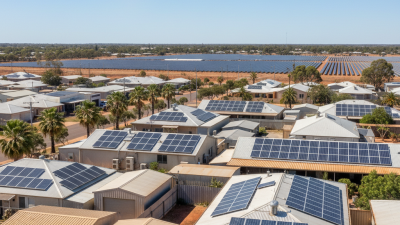
Next, consider space availability for solar panels. Measure the roof to determine how many panels you can install. Look for any shading issues. Trees or nearby buildings can affect efficiency. A space that seems adequate might fall short due to these factors. Sometimes, homeowners find they need to trim trees or adjust placement to maximize sunlight exposure.
Reflect on your energy needs. Calculate your monthly energy usage. This will help in selecting the right size system. Sometimes, it can be tempting to go for a larger system for future growth. However, a system too big for your current needs might waste energy and money. Balancing what you need now against potential future demands is crucial.
Analysis of Space Availability for Solar Panel Installation
Exploring Financial Options: Costs, Incentives, and Savings
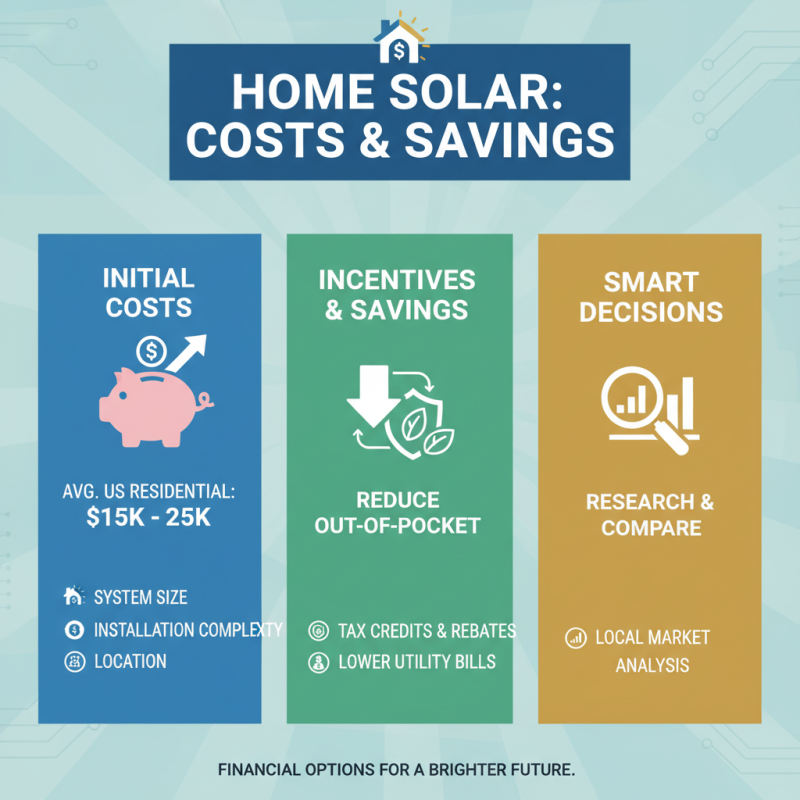
When exploring financial options for home solar systems, costs are a primary concern. The average cost of a residential solar panel system in the U.S. ranges from $15,000 to $25,000 before incentives. Important factors include system size, installation complexity, and location. Homeowners need to consider these elements to gauge affordability. A detailed analysis of local market prices can help in making informed decisions.
Incentives play a crucial role in reducing overall costs. The federal solar tax credit allows homeowners to deduct 26% of the system's cost from their federal taxes. Some states offer additional incentives, such as rebates or property tax exemptions. This can significantly enhance the attractiveness of solar investment. Consequently, homeowners could see savings of up to $10,000 after tax credits, depending on their system size.
Long-term savings also highlight the financial benefits. According to the Solar Energy Industries Association (SEIA), homeowners save an average of $20,000 over 20 years with solar energy. It’s essential to evaluate the local electricity rates and predict future costs. However, the initial investment might seem daunting to many. It's vital to conduct thorough financial planning and consult with experts before proceeding.
Choosing a Reliable Solar Installer and Maintenance Plans
When choosing a solar installer, reliability is key. Look for companies with strong reputations. Check their customer reviews and ratings. A professional installer should have experience in the industry. Ask how long they’ve been in business. Reliable installers will provide warranties for their work.
Consider the maintenance plans available. Regular maintenance ensures your solar system functions efficiently. Some installers offer comprehensive packages that include inspections and cleaning. It’s crucial to understand these options. You want a plan that fits your needs and budget.
Tips: Always request multiple quotes. This practice can help you compare services. Additionally, look for solar installation certifications. Certified professionals display commitment to quality. Trust is essential, so don't rush your decision-making process.