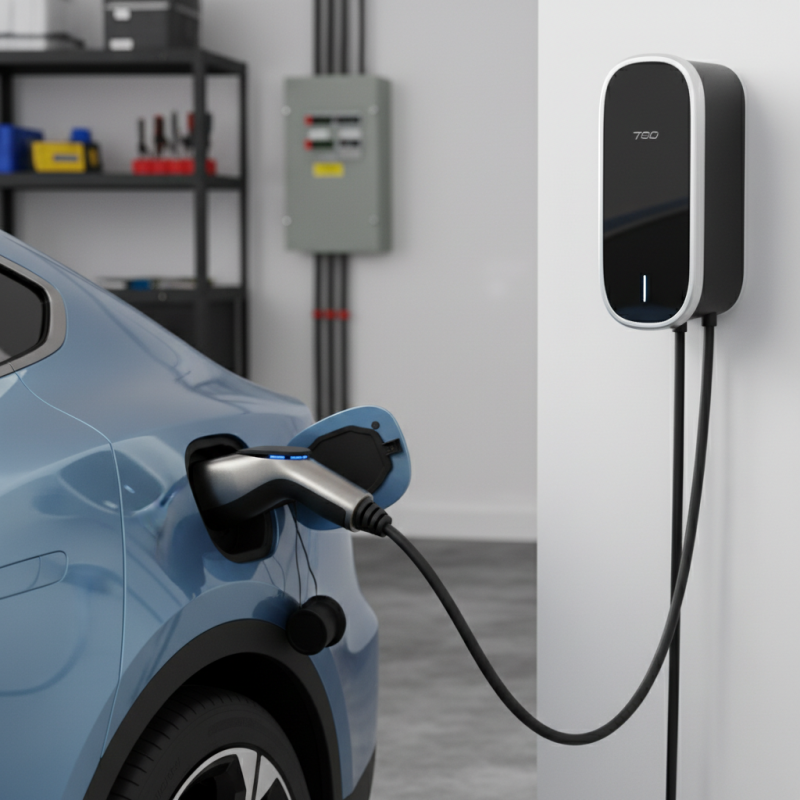
Top Tips for Choosing the Best Ev Charger Wall Plug?
Choosing the right Ev Charger Wall Plug can be overwhelming. Numerous options are available, and each has unique features. This decision impacts your charging experience and convenience.
When selecting an EV charger wall plug, consider your vehicle's specifications. Not every plug is universally compatible. Some may charge faster than others, depending on the plug type. Think about where you will install it. A well-set location can make charging easy and accessible.
It's essential to research different brands and models. Not all products are equally reliable. Some may have limitations that aren't immediately apparent. Take the time to read user reviews and expert opinions. Doing so can help you avoid costly mistakes. Ultimately, a good EV charger wall plug should meet your needs and fit your lifestyle.
Understanding the Different Types of EV Chargers: Level 1 vs. Level 2
When selecting an EV charger, understanding the differences between charger types is essential. There are primarily two levels: Level 1 and Level 2. Level 1 chargers use a standard 120-volt outlet. They are convenient but can be slow, adding about 3-5 miles of range per hour. This might be adequate for overnight charging but can be limiting for daily use.
On the other hand, Level 2 chargers operate at 240 volts. They dramatically increase charging speed, providing 10-60 miles of range per hour. According to the U.S. Department of Energy, homes with Level 2 chargers see an increase in charging efficiency, often reducing charging times by up to 50%. This makes them a more practical choice for daily commuters.
Tips for choosing the right charger include assessing your driving habits. If you travel long distances regularly, Level 2 is likely preferable. Additionally, consider the installation requirements. Level 2 chargers may need professional installation, increasing upfront costs. It's crucial to investigate local incentives. Many regions offer rebates or tax credits for home charging solutions, which can lead to significant savings. Remember to reflect on your needs and choose a charger that aligns with your lifestyle.
Key Factors to Consider When Selecting an EV Charger Wall Plug
When selecting an EV charger wall plug, consider the power output. Higher kilowatt ratings allow for faster charging. Most home chargers range from 3.7 kW to 22 kW. A 22 kW plug can fully charge many vehicles in a few hours. However, think about your vehicle's charging capacity. Don’t overspend on power you won't use.
Next, look at the installation requirements. Some chargers may need specific electrical upgrades. This can increase your overall cost. Would you be willing to deal with extra alterations? Wall plugs should also be compatible with your EV model. Check connector types and charging standards. It’s better to be informed before making a decision.
Another factor is safety features. These chargers often include circuit breakers and surge protection. However, not all models are created equal. Research options thoroughly to make the best choice. Finally, consider the aesthetics of the charger. It should fit your garage or external wall. An appealing design may enhance your home’s value. Don't rush; take time to weigh all aspects.
Top Tips for Choosing the Best EV Charger Wall Plug
| Key Factor | Description | Importance Rating (1-5) |
| Charging Speed | The power output of the charger and how quickly it can charge your EV. | 5 |
| Compatibility | Ensure the charger is compatible with your specific EV model. | 5 |
| Installation Requirements | Consider the electrical setup needed for the charger and whether it needs professional installation. | 4 |
| Safety Features | Look for built-in safety features like surge protection and temperature monitoring. | 5 |
| Warranty and Support | Check the warranty length and customer support options available. | 3 |
| User Reviews | Research what other users say about the charger including performance and durability. | 4 |
| Smart Features | Consider whether the charger has smart features like app connectivity and scheduling. | 4 |
| Price | Evaluate the price in relation to features and performance. | 3 |
Evaluating Charging Speed: Importance of Amperage Ratings
When choosing an EV charger wall plug, amperage ratings play a crucial role. Higher amperage means faster charging. A 30-amp charger can recharge a vehicle quickly, reducing downtime. However, you must consider your vehicle's capacity. Not every car can handle the same amperage. It’s essential to match the charger with your specific vehicle requirements.
Check your home's electrical system as well. Some homes may need an electrical panel upgrade to support higher amperage. This can add to the overall cost and complexity. Moreover, installation may not always be straightforward. Hiring a professional is often necessary. Without professional help, you might run into safety issues.
Be mindful of your driving habits. If you rarely use your vehicle for long trips, a lower amperage charger might suffice. A fast charger can be tempting, but over time, it could lead to battery wear. Striking a balance is important. Reflect on your needs and select a charger that aligns with your lifestyle.
Safety Features and Certifications for EV Charging Equipment
When choosing an EV charger wall plug, safety should be your top priority. Look for chargers that have undergone rigorous testing. Certifications from recognized safety organizations add credibility. Ensure the charger complies with safety standards relevant to your region. These details matter.
Consider features like Overcurrent Protection. This prevents overheating and potential fires. Ground Fault Protection is also essential. It shuts off the charger if a fault is detected. These features provide peace of mind when charging your vehicle at home.
Tips can guide your selection process. Check the warranty offered for the charging equipment. A longer warranty often indicates a manufacturer’s confidence in their product. Read reviews to understand the experiences of other users. Pay attention to any recurring issues they mention. This will help you make a well-informed choice, even if it feels overwhelming.
Future-Proofing Your Charger: Compatibility with Upcoming EV Models
As electric vehicles (EVs) continue to grow in popularity, choosing the right charger becomes essential. Future-proofing your charger is a key consideration. Compatibility with upcoming EV models ensures that your investment remains relevant for years. Many chargers today already support various connector types and power ratings. It is crucial to check if the charger you choose can adapt to the advancements in EV technology.
Look for wall plugs that comply with universal standards. This way, they can accommodate various brands and models. Some chargers allow for software updates, which is a valuable feature. However, not all models do. Researching compatibility will save you from future headaches. You might find that an initially cheaper option costs more down the line.
Pay attention to the power output as well. Higher wattage may be necessary for newer models. The speed of charging is a significant factor, especially for daily commuters. Keep in mind that an efficient charger can significantly reduce downtime. Explore features like smart home integration. While these can be exciting, they may not always be necessary. Balancing needs and wants is part of the process.