Why Choose Residential Solar Energy for Your Home?
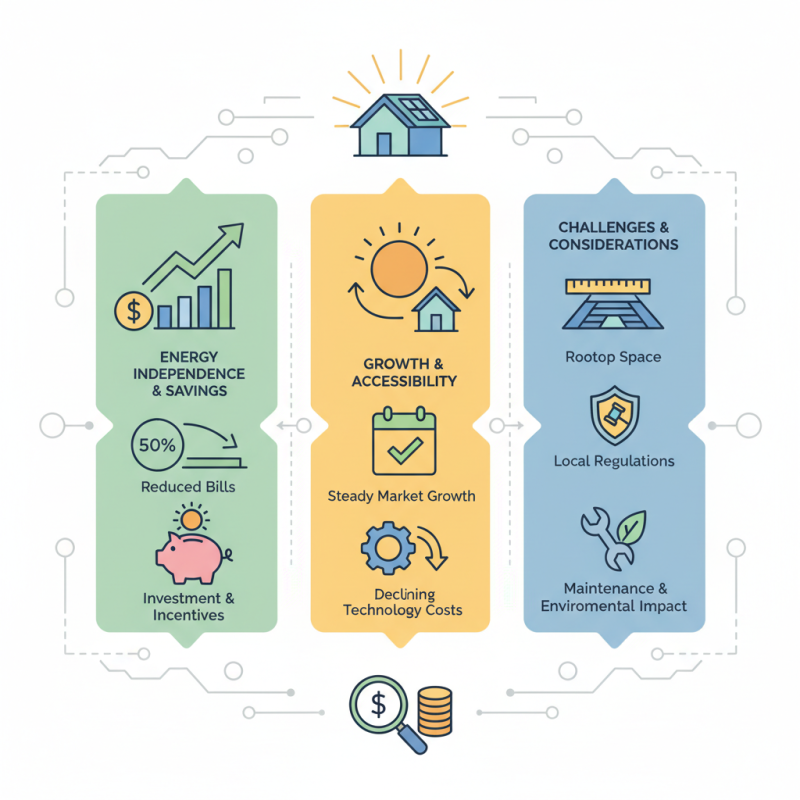
In recent years, residential solar has emerged as a powerful option for homeowners seeking energy independence. According to the Solar Energy Industries Association, the residential solar market grew by 20% in 2022 alone. This steady growth highlights the increasing popularity and accessibility of solar technology for everyday consumers.
Installing residential solar panels can significantly reduce or even eliminate electricity bills. Many homeowners report savings of up to 50% after installation. However, the initial costs can be daunting, with an average setup price of $15,000 to $25,000. Yet, declining costs of solar technology, coupled with various federal and local incentives, make investment increasingly appealing.
Despite the positive trends, some challenges remain. Homeowners should consider rooftop space, local regulations, and potential maintenance needs. Additional research is necessary to navigate financing options and long-term savings. Yet, the potential for energy security and environmental impact remains a compelling reason for choosing residential solar.
Benefits of Residential Solar Energy for Homeowners
Residential solar energy offers numerous benefits to homeowners.
One significant advantage is cost savings on electricity bills.
According to a report by the National Renewable Energy Laboratory, installing solar panels can save homeowners
up to 40% on their energy expenses over time.
This reduction can be a game-changer, especially for families in regions with high electricity rates.
Another key benefit is the increase in property value.
A study from Zillow found that homes with solar energy systems sold for an average of
4.1% more than comparable homes without solar.
This is an important consideration for homeowners thinking about future resale.
However, the initial investment in solar can be daunting. Many may hesitate to take the leap.
Environmental impact also plays a role. Solar energy reduces carbon footprints significantly.
The U.S. Environmental Protection Agency states that a typical residential solar system can offset roughly
100 tons of carbon dioxide over its lifetime.
Still, some homeowners may struggle to understand maintenance or technology.
As solar technology evolves, it's important to stay informed.
Adopting solar energy isn't just about savings; it's also about making a sustainable choice for the planet.
Cost Savings and Financial Incentives of Going Solar
Residential solar energy is gaining popularity due to its cost-saving potential. Homeowners can significantly reduce their monthly energy bills by harnessing the sun’s power. Imagine not having to worry about rising electricity prices. That peace of mind comes from solar panels generating electricity directly for your home.
Financial incentives further enhance these savings. Many regions offer tax credits and rebates for solar installations. This makes the initial investment more manageable. Some homeowners report recovering installation costs in just a few years. However, these financial benefits can vary by location and personal circumstances. It’s crucial to research local incentives thoroughly.
It’s also important to reflect on long-term commitments. Installing solar panels is not a quick fix; it requires planning. Homeowners must consider their energy needs and roof conditions. Sometimes, the setup may not be ideal. There are factors, like shading from trees, that can reduce efficiency. Understanding these aspects can lead to a more informed decision.
Cost Savings and Financial Incentives of Going Solar
Environmental Impact and Sustainability of Solar Energy
Solar energy offers a transformative solution for our homes, significantly impacting the environment. According to the National Renewable Energy Laboratory, solar power can reduce greenhouse gas emissions by up to 90% when replacing fossil fuels. This drastic reduction is not just beneficial—it is necessary. The planet is facing climate challenges that require urgent action.
Adopting residential solar energy also promotes sustainability. A report by the International Energy Agency found that solar installations can contribute to energy independence. Homeowners can generate their electricity, reducing reliance on polluting energy sources. Yet, installation and maintenance costs remain concerns for many. Some may hesitate, weighing benefits against initial investments. It's crucial to reflect on local incentives and financing options that can ease this burden.
Moreover, while solar panels provide clean energy, they are not without critiques. Manufacturing processes can negatively affect the environment. The extraction of raw materials often involves mining practices that cause habitat destruction. Understanding this trade-off is important for responsible energy choices. Ultimately, balancing immediate energy needs with long-term sustainability goals is vital for a healthier planet.
How Solar Energy Increases Property Value
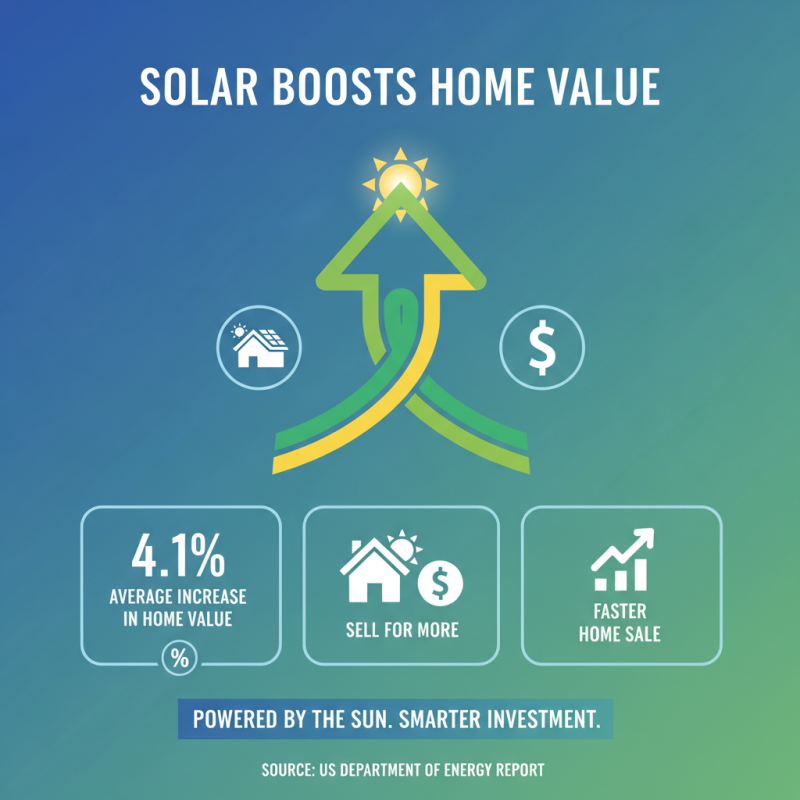
Homeowners are increasingly turning to solar energy. One significant benefit is the increased property value it provides. According to a report by the U.S. Department of Energy, homes with solar installations sell for an average of 4.1% more than those without. This can translate to thousands of dollars in added value. Buyers are often willing to pay a premium for homes with solar energy systems.
Tip: Research local solar property tax incentives. Your area may offer benefits that enhance solar attractiveness.
Studies indicate that solar panels not only reduce energy bills but also make homes more appealing. A report from Zillow found that homes with solar energy systems sold for more money compared to similar homes without them. The rising awareness of sustainable living further drives this trend. However, not all solar installations guarantee equal value increase. Factors such as installation quality and local market conditions can play a crucial role.
Tip: Consider getting multiple quotes before installation. Quality and cost can vary significantly across contractors.
Ultimately, investing in solar energy can be a smart choice for homeowners. It enhances property value, provides energy savings, and aligns with growing environmental concerns. Yet, careful consideration and planning are necessary to maximize these benefits.
Choosing the Right Solar System for Your Home Needs
When considering solar energy for your home, choosing the right system is crucial. Start by evaluating your energy needs. Analyze your utility bills for patterns and peak usage times. This data will help determine the size and type of solar system you require.
Tips: Consider how much sunlight your location receives. Shade from trees or buildings can impact efficiency. You may need a higher capacity system if you have limited sun exposure.
Next, assess your roof’s condition. A damaged or old roof may not support solar panels effectively. It might be wise to invest in roof repairs before installation.
Tips: Research local solar incentives. Tax credits and rebates can significantly lower costs. They sometimes have deadlines. Make sure to check them!
Your decisions today can affect your energy bills for years. While solar sounds perfect, it’s essential to weigh the pros and cons. Think about the long-term commitment and maintenance required for solar panels before diving in.