Why Choose a Solar Panel System for Your Home Efficiency Savings?
Choosing a solar panel system for your home can transform energy consumption. "Solar energy is the power of the future," says Dr. Emily Green, a leading expert in renewable energy systems. This insightful view emphasizes the importance of solar solutions today.
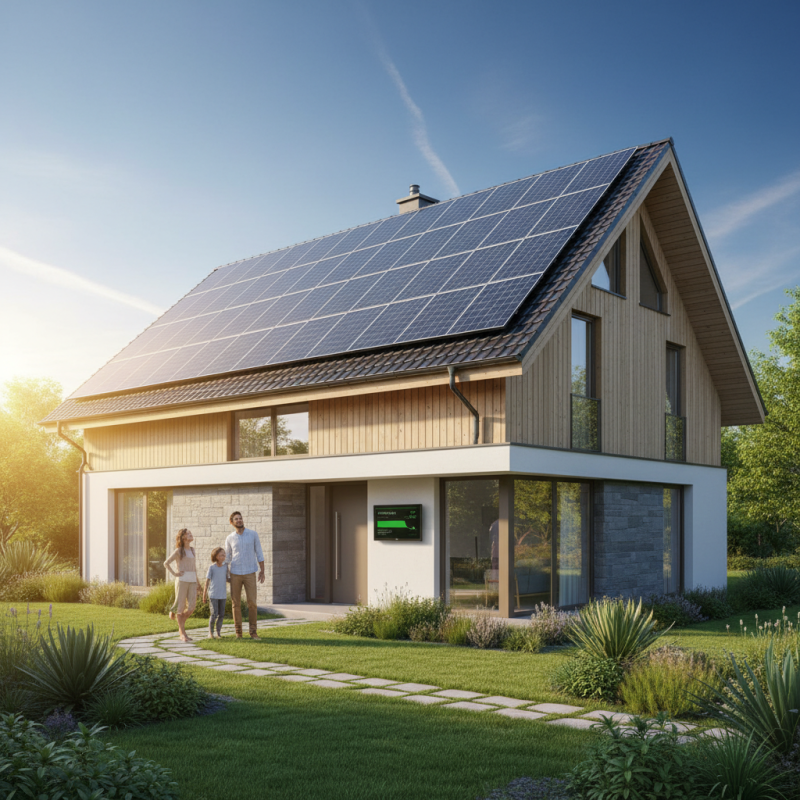
Installing a solar panel system not only promotes sustainability but also enhances efficiency in energy savings. Homeowners can save significantly on their electricity bills. These systems harness sunlight, converting it into usable energy. Many families have reported enjoying lower utility costs after installation.
Yet, some hesitate, worrying about initial investment costs. This concern is valid but requires deeper reflection. The long-term savings and potential incentives often outweigh these early expenses. A solar panel system is not just an upgrade; it is a commitment to future savings and environmental responsibility.
Benefits of Solar Panel Systems for Home Efficiency
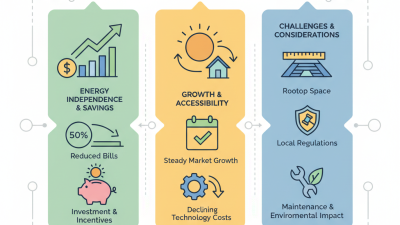
Solar panel systems offer significant advantages for enhancing home efficiency. They provide a sustainable energy source. According to the U.S. Department of Energy, homes with solar panels can reduce their energy costs by an average of 30%. This translates to substantial savings over time, especially as utility rates continue to rise.
Additionally, solar energy improves home value. A study by Zillow found that homes with solar panels sold for an average of 4.1% more. This increase represents a financial incentive for homeowners considering solar installations. Imagine adding value to your property while also cutting monthly expenses.
While solar panels come with initial costs, the long-term benefits often exceed these expenses. The National Renewable Energy Laboratory reports that solar installation costs have dropped by nearly 70% since 2010. However, some homeowners still hesitate due to upfront investments. It’s essential to weigh your current energy bills against potential long-term gains. The technology is evolving, making solar a more accessible option than ever before.
Understanding Solar Energy and Its Impact on Home Savings
Solar energy is a promise for efficiency and savings in our homes. Many homeowners are exploring how solar panels can cut electricity costs. This renewable energy source harnesses sunlight. It transforms it into usable energy, which can power your home. Imagine generating your own energy rather than relying on the grid.
The financial benefits can be significant. Solar panels can reduce or even eliminate your electric bills over time. For instance, a typical system might pay for itself within five to seven years. After that, the savings can be substantial. It’s important to consider your local climate and sunlight exposure before making a decision. Each home is unique, and some may not receive enough sun year-round for optimal savings.
While the initial investment can seem hefty, incentives and rebates often exist. These can offset costs and make solar more accessible. However, installation does require careful consideration. Professional assessment of your roof space and angle is vital. Poor installation can lead to inefficiencies and frustration. It's a key step that shouldn't be overlooked. Understanding how solar energy plays into your savings is essential for informed decision-making.
Home Energy Savings with Solar Panel Systems
Cost Analysis: Initial Investment vs. Long-term Savings
Investing in a solar panel system can significantly impact your home's efficiency and savings. Initially, the investment may seem daunting. The upfront costs can be high, potentially ranging from thousands to tens of thousands of dollars. However, it's important to see beyond this initial figure. A solar panel system can drastically reduce or even eliminate your electricity bills. Over time, these savings can far outweigh the initial costs.
Moreover, the long-term savings are enhanced by various incentives and rebates available. These can lighten your financial commitment. Some homeowners see their return on investment in as little as five years. This indicates a solid financial decision. Despite the challenges, such as maintenance or fluctuating energy prices, solar panels offer reliability. They convert sunlight into usable energy, providing a sustainable power source.
While the prospect of solar energy is appealing, it requires thorough consideration. Assessing your energy consumption, roof space, and local sunlight exposure is essential. Not every home is an ideal candidate. So, weighing the pros and cons becomes crucial. While the financial figures may inspire confidence, always leave room for unexpected costs. It's about making informed choices and preparing for potential hurdles.
Why Choose a Solar Panel System for Your Home Efficiency Savings? - Cost Analysis: Initial Investment vs. Long-term Savings
| Component |
Initial Investment Cost ($) |
Annual Savings ($) |
Payback Period (Years) |
20-Year Savings ($) |
| Solar Panel System |
$15,000 |
$1,200 |
12.5 |
$24,000 |
| Maintenance and Repairs |
$500 |
N/A |
N/A |
N/A |
| Government Incentives |
-$3,000 |
N/A |
N/A |
N/A |
| Total |
$12,500 |
N/A |
10.42 |
$24,000 |
Government Incentives and Rebates for Solar Adoption
Government incentives play a crucial role in making solar energy accessible for homeowners. In many regions, the federal government offers a tax credit of up to 26% on the cost of solar panel installation, significantly lowering the initial investment. This incentive is designed to promote clean energy adoption and reduce reliance on fossil fuels.
According to the Solar Energy Industries Association (SEIA), over 3 million homes had solar systems installed in the U.S. by the end of 2021. This demonstrates a growing interest, partially fueled by financial benefits.
Additionally, many states provide their own rebates and financial programs. For example, California offers incentives that can cover thousands of dollars, depending on system size and energy output. Local utility companies may also provide rebates for energy-efficient improvements, enhancing overall savings.
Despite these opportunities, some homeowners remain hesitant. Concerns about installation costs, maintenance, and fluctuating energy prices persist. Research shows that awareness of available incentives remains low, which can hinder solar adoption. Addressing these concerns is vital for further growth in the solar market.
Environmental Advantages of Switching to Solar Energy
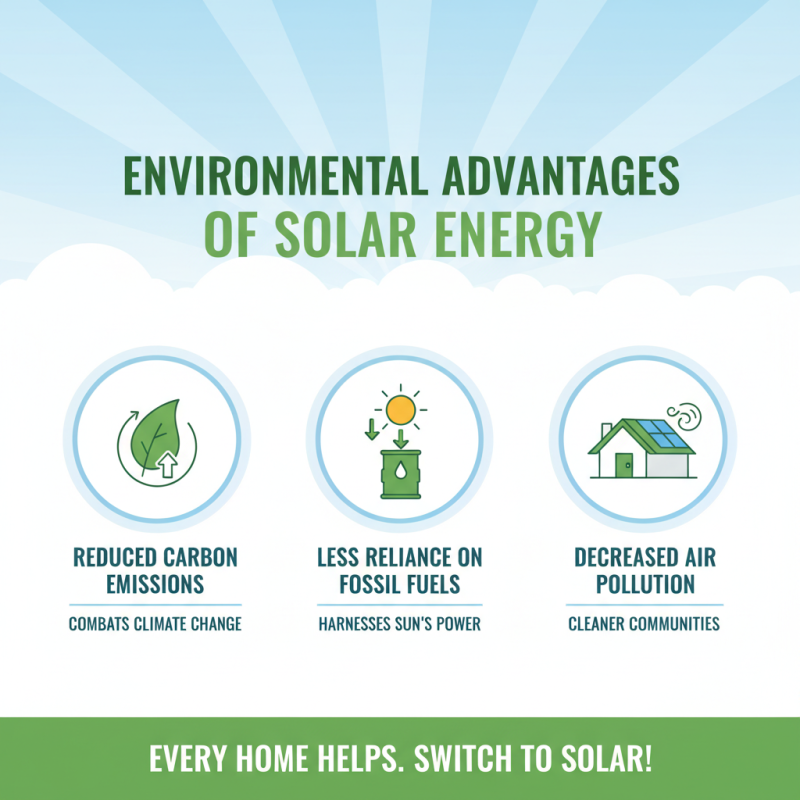
Switching to solar energy offers significant environmental benefits. Solar panels harness the sun’s energy, reducing reliance on fossil fuels. This shift decreases carbon emissions, aiding in the fight against climate change. The more homes that utilize solar power, the less pollution we produce. Every little bit helps.
Moreover, using renewable energy sources can conserve water. Traditional energy generation, like coal and natural gas, often requires substantial water for cooling. Solar energy, on the other hand, operates with minimal water use. This is crucial in areas facing water scarcity. Imagining our neighborhoods filled with solar arrays brings hope for a cleaner planet.
However, some may question the initial investment in solar technology. While costs have dropped significantly, the installation fee can be daunting. It’s vital to weigh the long-term savings against the upfront costs. Ultimately, the transition to solar is a collective responsibility, demanding consideration and education. Each decision impacts our environment. It's up to homeowners to reflect on these choices.