Why Choose a Home Solar System for Your Energy Needs?
As the world transitions towards sustainable energy solutions, the importance of a home solar system is becoming increasingly evident. Robert Green, a leading expert in renewable energy, emphasizes, "A home solar system not only saves money but also empowers homeowners." His insight highlights the dual benefits of economic savings and energy independence.
With rising utility costs and environmental concerns, many homeowners are seeking alternatives. A home solar system can significantly reduce electricity bills. It utilizes sunlight, a free and abundant resource. However, the initial investment can be daunting. Many potential users hesitate, weighing costs against future savings. They ponder, is it truly worth it?
While some installations have proven effective, challenges exist. Not every property is suitable for solar panels. Limited sunlight exposure may hinder efficiency. Homeowners must assess their own situations carefully. Reflecting on the pros and cons is vital before making this commitment. Embracing solar energy demands thorough consideration, but the potential rewards are substantial.
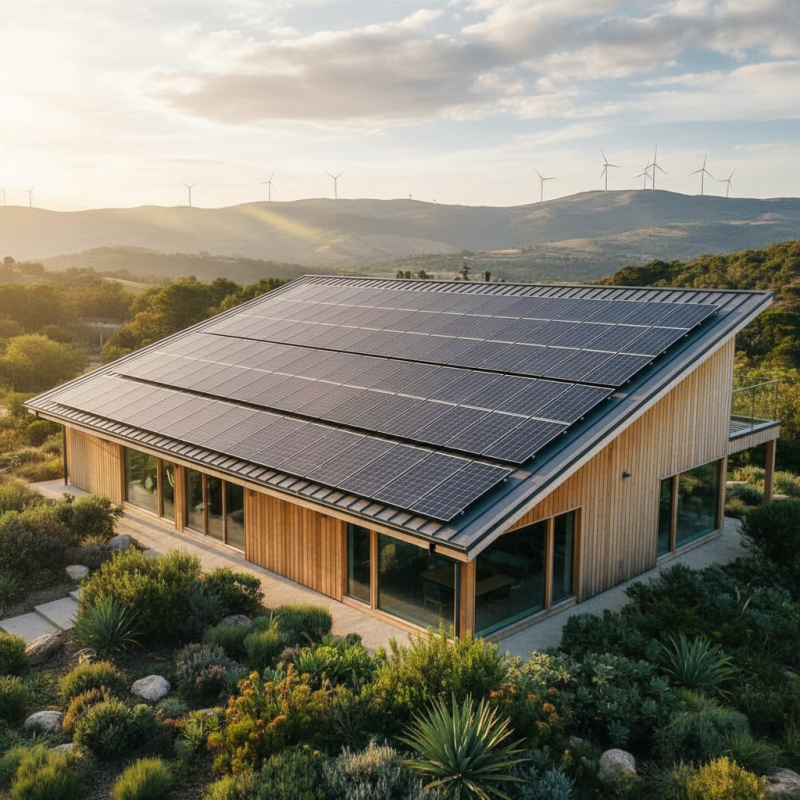
Benefits of Home Solar Systems for Renewable Energy
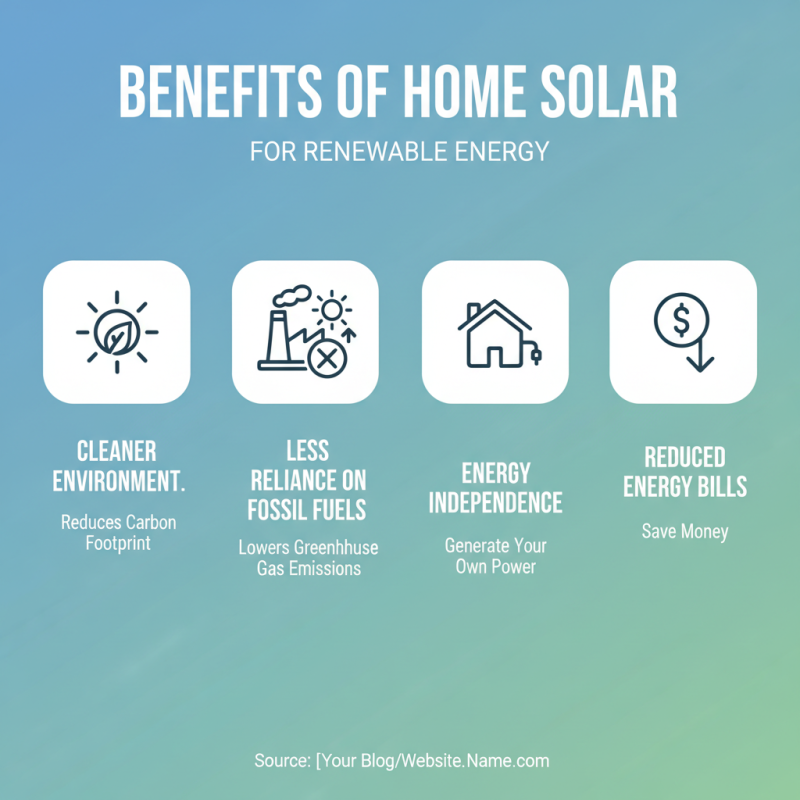
Home solar systems are becoming popular among homeowners. They offer numerous benefits that contribute to a cleaner environment. Utilizing solar energy reduces reliance on fossil fuels. This shift can lead to lower greenhouse gas emissions. Many people appreciate generating their own power. It's a satisfying experience to see energy bills shrink.
Installing a solar system can also increase property value. Homes with solar panels often sell for more. However, the initial investment can be daunting. Many owners find it challenging to navigate financing options. Incentives and rebates might help ease the burden. It's important to evaluate local regulations, as they can vary significantly.
While solar energy has clear advantages, challenges exist. Some may find their homes lack adequate sunlight. Others worry about the maintenance costs of solar equipment. Weather events can damage panels, causing unexpected repairs. It's useful to weigh the pros and cons carefully. With proper planning, the benefits often outweigh the obstacles.
Understanding the Cost Efficiency of Solar Energy Solutions
Installing a home solar system can be a significant investment. However, the long-term cost efficiency is undeniable. Solar panels may require a hefty upfront cost, yet they can drastically reduce monthly electricity bills. Over time, these savings often exceed the initial investment, making solar a financially sound choice.
Moreover, solar systems can increase property value. Homes equipped with solar energy solutions tend to attract more buyers. Still, the return is not just monetary. There is a growing concern over climate change. Choosing solar energy can help reduce one’s carbon footprint. However, potential homeowners should carefully consider local regulations and incentives before making the leap.
Additionally, the technology is continuously evolving. Newer systems may offer better efficiency and lower costs. Yet, not all solar systems are created equal. It’s crucial to assess individual energy needs and geographical location. Not every roof is suitable for solar panels. There’s still much to learn and improve in this field, but the future of solar energy is promising.
How Home Solar Systems Contribute to Environmental Sustainability
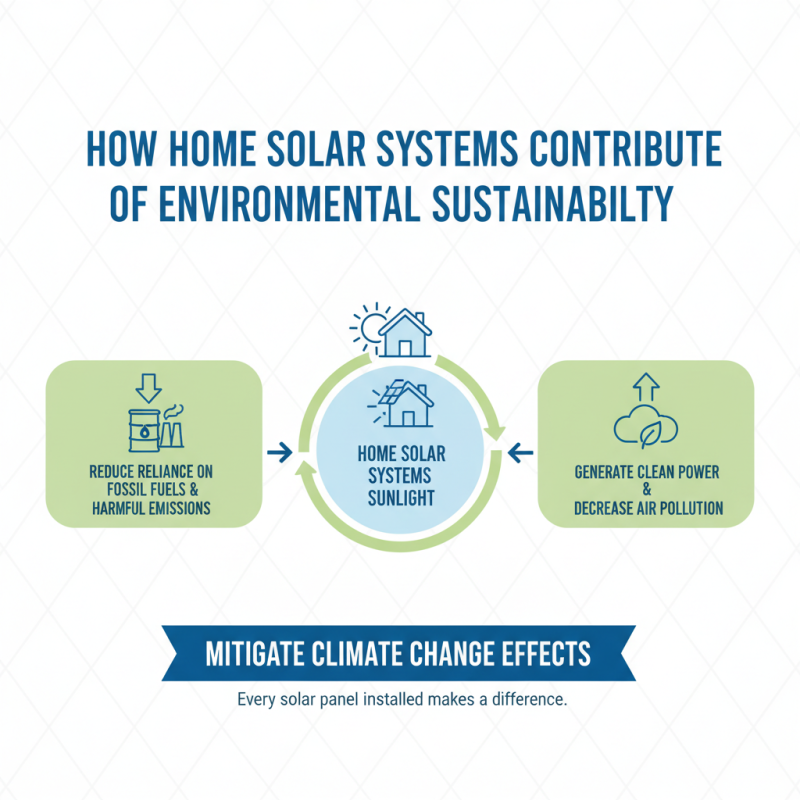
Home solar systems play a vital role in promoting environmental sustainability. By harnessing sunlight, these systems convert energy directly into electricity. This process reduces the reliance on fossil fuels, which are known for their harmful emissions. Solar energy generates clean power, helping to decrease air pollution levels. Every solar panel installed can help mitigate climate change effects significantly.
The transition to solar energy is not without its challenges. Initial installation costs may deter some homeowners. Additionally, not every home has ideal sun exposure. This raises questions about efficiency and energy production. However, the long-term benefits often outweigh these obstacles. Homeowners can feel a sense of empowerment knowing they are contributing to a healthier planet.
Moreover, solar systems reduce the strain on local energy grids. This leads to a more stable energy supply. In areas where energy resources are scarce, solar power offers a sustainable solution. However, the need for advancements in storage technology remains an ongoing challenge. Energy production may vary based on weather conditions. This continually fuels discussions on improving renewable energy reliability.
Factors to Consider When Choosing a Solar System for Your Home
When choosing a solar system for your home, consider several factors that can impact your decision. Start with your energy needs. Calculate how much energy you use each month. This figure will guide your system size. A larger system may be more expensive. However, it can also provide greater savings over time.
Also, evaluate your roof's condition. The roof must be strong enough to support solar panels. Look for any shade from trees or buildings. This can affect energy production. An unshaded area will yield better results. Don't forget about local regulations. Some areas have strict codes. You may need permits before installation.
Lastly, consider your budget. Solar systems can be expensive upfront. Explore financing options available in your area. Some programs may offer incentives or tax credits. These can significantly lower your costs. Reflect on your long-term energy goals. The right choice today can yield benefits for years to come.
Why Choose a Home Solar System for Your Energy Needs? - Factors to Consider When Choosing a Solar System for Your Home
| Factors |
Description |
Importance |
| Energy Needs |
Assessing your household energy consumption to size the system properly. |
High |
| Roof Condition |
The state of your roof affects the integrity and longevity of the solar installation. |
High |
| Incentives and Rebates |
Government programs that can reduce installation costs. |
Medium |
| Type of Solar Panels |
Different types of panels (monocrystalline, polycrystalline, thin-film) have varying efficiencies and costs. |
High |
| Installation Costs |
Overall costs including equipment, labor, and permits. |
High |
| Return on Investment (ROI) |
Calculating potential savings over time compared to the initial investment. |
High |
| Warranty and Lifespan |
Understanding the warranty period and expected lifespan of the solar panels. |
Medium |
| Energy Storage Options |
Evaluating battery storage systems for off-grid capabilities or backup power. |
Medium |
| Local Climate |
Assessing sunlight availability based on geographical location. |
High |
Incentives and Rebates for Installing Home Solar Energy Systems
Incentives and rebates are crucial for homeowners considering solar systems. Various programs reduce initial costs. According to the U.S. Department of Energy, homeowners can save 30% through the federal solar tax credit. This significant reduction makes solar energy more accessible.
State incentives can vary widely. Some states offer cash rebates, while others may provide property tax exemptions. A study by the Solar Energy Industries Association revealed that these incentives accelerate solar adoption. For instance, states like California and New York offer substantial rebates that boost installations by over 50% each year.
Challenges still exist. Not all homeowners qualify for every incentive. Income levels and installation costs can affect eligibility. It’s essential to research thoroughly. Gathering information can be time-consuming. Homeowners must keep track of changing regulations. This effort is necessary but can be frustrating. Understanding available incentives may require professional help, adding to upfront costs. However, the long-term savings are often worth the hassle.