Why Choose China Solar System 800v MCCB for Your Project?
The rapidly growing solar energy sector is seeing an increasing demand for reliable components. One crucial element in solar installations is the MCCB (Molded Case Circuit Breaker). The China Solar System 800v Mccb stands out as a top choice for many projects. According to recent industry reports, the global solar market is expected to reach a value of $223 billion by 2026. This growth underscores the importance of using effective, durable equipment.
Investing in high-quality MCCBs ensures safety and efficiency in solar applications. The China Solar System 800v MCCB offers robust performance, specifically designed to handle the higher voltages common in modern solar setups. However, some users may worry about performance under extreme conditions, as not all products meet rigorous standards. Studies show that improper installations lead to 15% of failures in solar systems.
Choosing the right equipment is vital for project success. China Solar System 800v MCCB is recognized for its reliability and efficiency. With estimated lifespans exceeding 20 years, this MCCB can significantly reduce long-term operational costs. Still, understanding the specific needs of your project is essential. Proper evaluation of your requirements can lead to better decisions in the long run.
What is an 800V MCCB and its Role in Solar Systems?
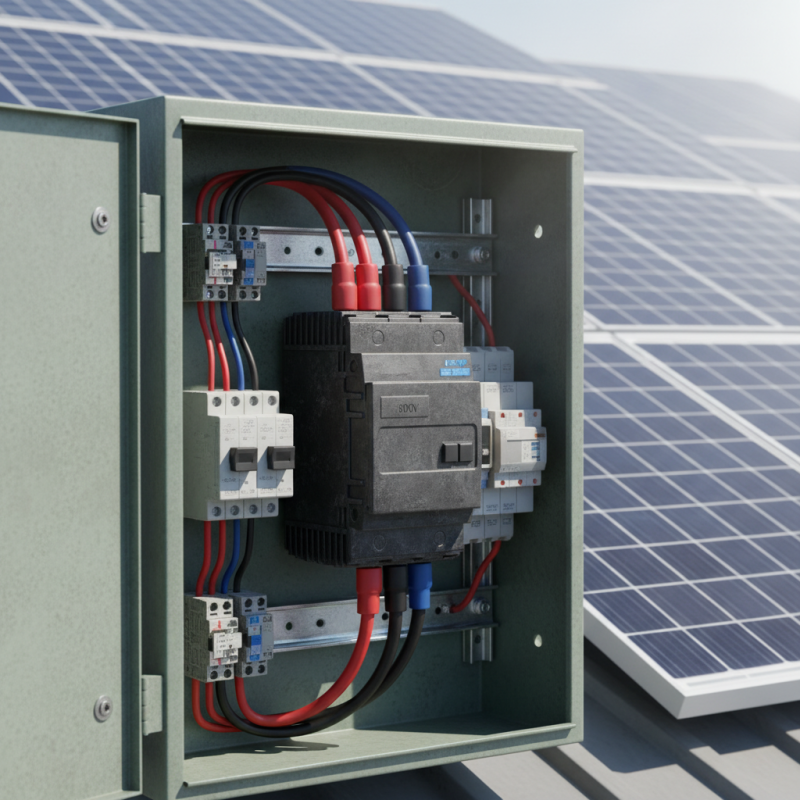
In solar power systems, an 800V Molded Case Circuit Breaker (MCCB) plays a crucial role. It ensures safety by protecting circuits from overloads and short circuits. This circuit breaker can handle higher voltage levels, which is essential for modern solar applications. When sunlight converts into electricity, the MCCB safeguards the entire system from potential hazards. Every component must operate smoothly, and this device is a key protector.
Choosing the right MCCB can be challenging. Not all systems are the same. Variations in design and load capacity exist. An 800V MCCB is suitable for larger solar arrays, where power output is substantial. However, not all installations may require such specifications. It's important to assess project needs carefully. The wrong choice might lead to inefficiency or even failure.
Installation and maintenance can also pose questions. While MCCBs are generally reliable, understanding their operation is vital. Regular checks can prevent issues. They should not be overlooked in routine inspections. Decisions made today impact future performance. Thoughtful consideration now can lead to sustainable solar solutions later.
Why Choose China Solar System 800v MCCB for Your Project? - What is an 800V MCCB and its Role in Solar Systems?
| Feature | Description | Benefits |
| Voltage Rating | Designed to operate at 800V DC | Suitable for high voltage solar applications |
| Current Rating | A range from 63A to 1250A available | Can accommodate various system sizes |
| Breaking Capacity | Excellent short-circuit protection | Ensures safety and reliability in systems |
| Thermal-Magnetic Operation | Combines thermal and magnetic tripping mechanisms | Enhanced performance in overload conditions |
| Durability | Designed for harsh environments | Longer service life with minimal maintenance |
Key Advantages of Using China Solar System 800V MCCB
When considering solar energy projects, the choice of hardware plays a crucial role. The 800V MCCB (Molded Case Circuit Breaker) from China offers significant advantages worth noting. One vital benefit is its high voltage capacity, which aligns well with modern solar systems. These circuit breakers provide reliable protection against overloads and short circuits. With a higher voltage rating, they can effectively handle increased electrical loads.
Durability and environmental resistance are also key features. The materials used in the manufacturing of these MCCBs are designed to withstand harsh conditions. This reliability ensures safety and efficiency in long-term solar operations. However, potential buyers should note that installation can sometimes present challenges. Ensuring that your team is adequately trained is essential. Additionally, while many users report high satisfaction, there can be variability in performance depending on specific project conditions.
The competitive pricing of China's solar system MCCBs cannot be overlooked. Cost-effective solutions make renewable energy projects more viable. Yet, it’s important to research certifications and compliance with international standards. This ensures that the products you select meet the necessary safety and functionality requirements. Balancing cost with quality remains a constant challenge. Careful evaluation can lead to successful project outcomes, enhancing the overall adoption of solar energy.
Key Advantages of Using China Solar System 800V MCCB
Industry Standards and Certifications for 800V MCCB Products
In the solar energy sector, adhering to industry standards and certifications is crucial for ensuring the safety and reliability of 800V MCCB products. These devices protect electricity distribution systems from overloads and short circuits. Recent industry reports indicate that 800V MCCBs must comply with specific international standards, such as IEC 60947-2. This standard ensures that these circuit breakers are tested for performance, making them a reliable choice for solar installations.
Certificates like UL and CE are essential for indicating product quality. Products holding these certifications meet rigorous testing and performance criteria, ensuring they can operate safely in solar power applications. According to the Solar Energy Industries Association (SEIA), compliance with these standards significantly reduces the risk of system failures.
Tip: Always verify the certifications of MCCBs before purchase. Non-compliant products can lead to failures, affecting project efficiency.
Quality assurance is not only about having certifications but also constant monitoring and regular updates. Reports show a substantial increase in incidents related to non-compliant equipment in recent years. Choosing products with a proven track record and positive reviews can mitigate these risks significantly.
Tip: Engage with industry experts for insights on the best practices when selecting MCCBs. Their experience can guide you in avoiding potential pitfalls.
Cost Efficiency and Reliability of China Solar System MCCB
When it comes to solar power projects, selecting the right equipment is critical. The China Solar System 800V MCCB (Molded Case Circuit Breaker) stands out for its cost efficiency and reliability. According to a recent report by the International Renewable Energy Agency (IRENA), the global cost of solar photovoltaic systems has dropped by 82% since 2010. This trend is driven by advancements in technology and manufacturing practices, particularly in China.
In new projects, the choice of MCCB influences overall operational costs. China’s 800V MCCB offers advanced safety features and excellent performance under extreme conditions. A study by Frost & Sullivan indicates that implementing high-quality circuit breakers can reduce maintenance costs by up to 30%. This is significant for reducing the total cost of ownership over the system's lifespan.
However, potential downsides exist. Some users report challenges in sourcing replacement parts quickly. Depending on geographical locations, reliability can vary. It's essential to factor in logistics when considering the supply chain. With the growing emphasis on energy efficiency, organizations must scrutinize not just upfront costs but long-term dependability. Choosing the right MCCB not only influences initial investment but also the project’s success in the competitive solar energy landscape.
Market Trends and Future of Solar MCCB Technology in China
In recent years, the demand for solar energy has surged in China. This shift is reshaping the landscape of the solar industry, particularly in the area of circuit protection. The 800V MCCB (Molded Case Circuit Breaker) has become a pivotal component in solar projects, offering enhanced safety and reliability. As solar systems generate higher voltages, the need for robust electrical protection grows more critical.
The future of solar MCCB technology in China appears promising. Emerging market trends point towards increased efficiency and smarter designs. New innovations focus on integrating IoT features for real-time monitoring and diagnostics. These advancements can help prevent failures and ensure system longevity. However, it's vital to assess whether these innovations adequately address potential safety risks.
Manufacturers are also challenged to maintain high standards while reducing costs. The balancing act between innovation and affordability is complex. Some manufacturers may cut corners to compete, leading to questionable product reliability. It's essential to scrutinize these developments closely. Quality should not be sacrificed for lower prices, as this can pose significant risks in installations.