How to Choose the Best Slimline Meter Box for Your Needs?
Choosing the right Slimline Meter Box is essential for various applications. A slimline meter box optimizes space while providing reliable housing for electrical meters. This compact solution is ideal for urban settings where every square foot matters. However, with many options on the market, selecting one that truly fits your needs is challenging.
Consider the size and design of your slimline meter box. It should blend seamlessly with your environment and meet local regulations. Quality is paramount. Look for durable materials that can withstand the test of time and weather conditions. Think about the functionality, too; does it allow for easy access to meters? This is often overlooked but crucial for maintenance.
While you may feel overwhelmed by choices, it's a chance to reflect. Assess your requirements carefully. Does the slimline meter box accommodate future upgrades? Addressing these questions will lead to a more informed decision. Take your time understanding the options available to ensure your investment is sound.
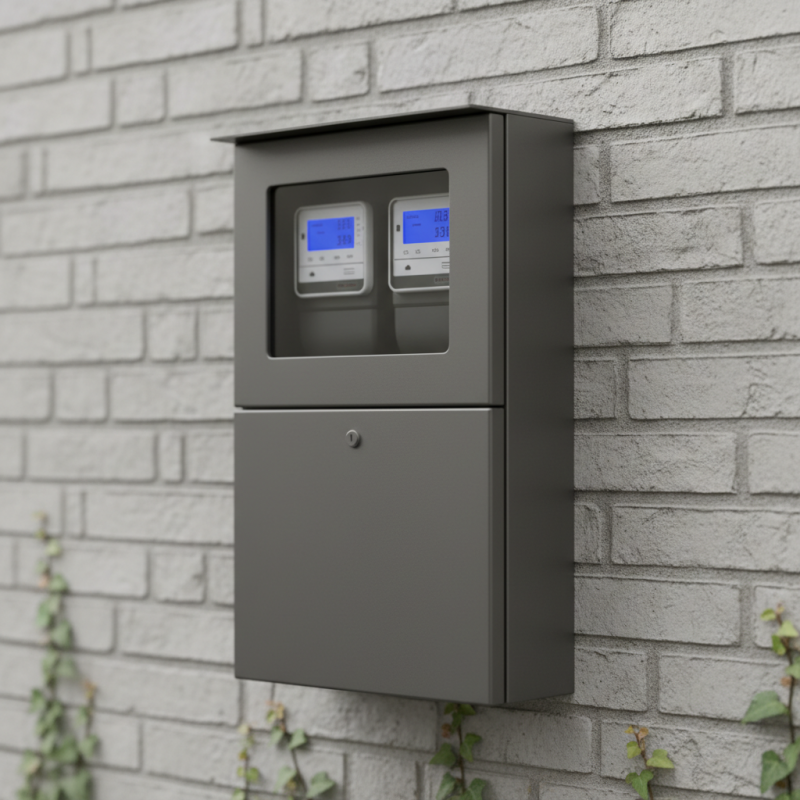
Understanding Slimline Meter Boxes and Their Importance
Slimline meter boxes are essential components in modern electrical services. They house meters and connections, ensuring safety and efficiency. Properly selecting a slimline meter box is vital for both residential and commercial properties. According to industry reports, the right choice can enhance energy management and reduce operational costs.
These boxes often come in various sizes and configurations. A detailed understanding of your electrical requirements is crucial. Studies indicate that a mismatch between the box size and electrical load can lead to performance deficiencies. For instance, improper sizing may result in overheating or failure to accommodate future expansions.
Installation is another critical aspect. Improperly installed slimline meter boxes can lead to costly repairs. It is advised to consult a qualified electrician. Many professionals recommend following strict guidelines for installation to ensure safety. Despite the straightforward nature of these boxes, overlooking specific details can cause long-term issues, which should not be ignored.
Key Features to Consider When Choosing a Slimline Meter Box
Choosing the right slimline meter box for your needs involves understanding several key features. One important aspect is the size. Ensure the box fits your designated space seamlessly. The design should allow for easy access for maintenance and upgrades. A compact design can save space but must also meet your requirements.
Another critical feature is durability. Look for materials that withstand harsh weather conditions. A strong outer shell protects the internal mechanisms. This ensures longevity and reliability, reducing risks associated with damage or wear over time. Consider boxes rated for specific environments to enhance resilience.
**Tips:** Assess your current and future needs. Think about potential upgrades before purchasing. Additionally, check if the installation process is user-friendly, as this affects convenience. Reflect on your preferences and how the box blends with your property. Always balance aesthetics with functionality for the best outcome.
How to Choose the Best Slimline Meter Box for Your Needs
Comparing Materials: Plastic vs. Metal Slimline Meter Boxes
When selecting a slimline meter box, materials play a significant role in performance and longevity. Plastic and metal options each have their benefits and drawbacks. Plastic slimline meter boxes are lightweight and resistant to corrosion, making them ideal for humid environments. According to the National Institute of Standards and Technology, plastic meter boxes can last up to 20 years with proper care. However, they may not withstand high impact as well as their metal counterparts.
Metal slimline meter boxes, typically made of galvanized steel or aluminum, offer superior durability. They can endure harsh weather and are less prone to physical damage. A report from the International Building Code suggests that metal meter boxes have a lifespan of around 30 years. However, they can be susceptible to rust if not properly coated. Weighing your options based on your environment is essential.
Tip: Consider your local climate when choosing a material. If your area has frequent storms or high winds, metal could provide better protection.
Tip: Evaluate the installation area. If space is tight, plastic's lighter weight can make a difference during installation.
Ultimately, the choice between plastic and metal should align with your specific needs. Assess the trade-offs carefully, as the wrong choice might lead to increased maintenance or premature replacement.
Installation Requirements and Considerations for Meter Boxes
When considering a slimline meter box, installation factors are crucial. The location of the meter box impacts accessibility and maintenance. For instance, local regulations often require metering devices to be installed at specific heights and distances from property lines. Failure to comply may lead to significant delays or costs due to reinstallation. Make sure to consult with installation specialists familiar with your area’s guidelines.
The capacity and specifications of the meter box must match your utility needs. Industry reports indicate that improperly sized boxes can lead to operational inefficiencies. A 2022 analysis found that nearly 30% of installations faced complications due to inadequate sizing, affecting energy tracking and billing accuracy. Choosing a box that accommodates future needs can also save costs down the line.
Environmental conditions play a vital role as well. Meter boxes should be weather-resistant, especially in areas prone to extreme temperatures. Insulating materials and proper drainage systems can enhance durability. A study by the Energy Efficiency Council noted that neglecting these aspects led to a rise in maintenance issues by 25%. Evaluating your environment is essential for ensuring long-term functionality.
Assessing Size and Capacity Needs for Your Slimline Meter Box
When selecting a slimline meter box, it's essential to assess your size and capacity needs carefully. A meter box should accommodate your existing infrastructure and future requirements. Measure the available space accurately. Consider the dimensions of the area where the box will be installed. Ensure there is enough room for proper ventilation. A poorly fitting box may lead to complications.
Capacity is just as important. Think about the appliances and systems you'll connect to the meter box. Estimate their power requirements. Choose a box with adequate capacity to support your current and future needs. Overestimating might seem prudent, but it can lead to unnecessary costs. Conversely, underestimating can cause performance issues. It’s a balancing act that requires thoughtful planning.
Reflect on your choices as you make this decision. Sometimes, a larger meter box appears attractive. However, it could overwhelm a small space. On the other hand, a box that is too small may compromise functionality. It's about finding what suits you best. Each option carries its pros and cons, which requires careful evaluation. Choose wisely, and your meter box will serve you well.