China Top 10 Home Solar Panel System Suppliers?
China’s solar industry has moved from mass production to a broader energy ecosystem. IRENA reported 473 GW of new renewable capacity worldwide in 2023, with solar contributing about 346 GW. China accounted for a major share of that expansion. These figures explain why Chinese suppliers attract homeowners, installers, and distributors globally.
Yet scale alone does not identify the best home solar panel system supplier. A factory may offer excellent module efficiency but weak after-sales support. Another company may provide reliable inverters, monitoring software, and batteries, but have fewer overseas service teams. This guide examines ten leading Chinese suppliers through practical criteria: manufacturing capacity, product efficiency, certifications, warranty terms, financial stability, export experience, and installer support. Reports from the IEA PVPS Trends in Photovoltaic Applications 2024 and IRENA Renewable Capacity Statistics 2024 provide useful market context.
The ranking is not absolute. It depends on your roof, climate, electricity tariff, budget, and local regulations. A coastal home may need stronger corrosion protection. A rural property may need storage and remote monitoring. Small details matter. Product datasheets can also hide limitations, especially under high heat or partial shading. Therefore, this overview compares reputable companies, not promises of perfect performance. Buyers should still verify current certifications, warranty conditions, degradation rates, and local service coverage before signing a contract. That extra check is easy to skip. It should not be.
How to Define the Top Home Solar Panel System Suppliers in China
China Top 10 Home Solar Panel System Suppliers?
Defining the top home solar panel system suppliers in China requires more than comparing prices. A reliable supplier should show verified testing records, stable production capacity, and clear electrical specifications. Look for evidence from completed residential projects, not only polished brochures. Manufacturing experience matters when panels face heat, dust, heavy rain, or winter frost. Suppliers should also explain inverter compatibility, battery options, roof mounting, and expected annual output in practical terms. Vague promises are warning signs.
A professional evaluation should include warranty terms, product traceability, quality inspections, and after-sales support. Ask who handles replacement parts and how technical problems are resolved across borders. Check whether the supplier understands your local grid rules and installation requirements. A low quotation may exclude cables, monitoring equipment, transport, or commissioning. That mistake can become expensive. No supplier is perfect, and even strong factories may have weaknesses in communication or customization. Those gaps deserve honest discussion before signing an agreement.
Tips:
Request a sample technical datasheet and a complete system quotation. Compare temperature coefficients, protection ratings, warranty coverage, and delivery timelines. Ask for references from similar household projects. Review payment stages carefully. If possible, arrange a factory audit or independent inspection. A supplier that welcomes detailed questions often demonstrates stronger operational confidence, although this is not absolute proof. Test the numbers against your roof size and household consumption, not against sales claims alone.
Key Products and Technologies Offered by Each Supplier
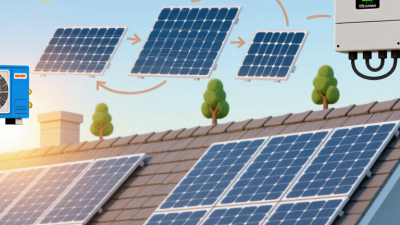
China’s top ten home solar suppliers typically offer complete systems rather than panels alone. Their product lines often include monocrystalline modules, hybrid inverters, lithium battery storage, monitoring platforms, and roof-mounting hardware. Some manufacturers focus on high-efficiency TOPCon cells. Others develop heterojunction modules, which can perform well in cooler conditions. A few still provide improved PERC products for budget-conscious households.
Product quality depends on more than rated efficiency. Leading suppliers usually publish temperature coefficients, degradation data, fire classifications, and mechanical-load results. Many modules use half-cut cells, multi-busbar designs, and bifacial surfaces. These details can reduce energy loss under partial shading. However, rooftop shadows from chimneys remain difficult. No technology removes that problem completely.
Home energy storage is another major offering. Suppliers provide stackable battery units, battery-management systems, and hybrid inverters with backup circuits. Some systems support time-of-use control, remote fault alerts, and generator integration. Monitoring applications display daily production, battery state, and household consumption. I would request independent certification, factory inspection records, and clear warranty terms before purchasing. Installation training also matters, especially for high-voltage batteries. Specifications can look impressive. Real-world performance still depends on ventilation, wiring, roof direction, and local service response.
How to Compare Chinese Residential Solar System Suppliers
Comparing Chinese residential solar system suppliers requires more than checking panel prices. Start with technical fit. Confirm panel wattage, inverter efficiency, battery chemistry, and usable storage capacity. Ask for current datasheets, test reports, and clear product revision dates. A low quote may exclude mounting rails, monitoring equipment, shipping, or replacement parts.
Supplier credibility deserves careful checking. Request factory audit records, production quality procedures, and evidence of independent safety testing. Verify whether the proposed system meets the electrical standards in your installation region. Read the warranty terms line by line. Check who handles claims, where spare parts are stored, and how long technical support usually takes. Written answers matter.
Look beyond the first shipment. Ask about installer training, software access, firmware updates, and battery compatibility. A supplier should explain expected output under shade, heat, and winter conditions, not only ideal laboratory results. I would also compare payment stages and inspection options before dispatch. That sounds basic. It is often missed.
One useful test is to send the same technical questions to several suppliers. Compare the clarity and consistency of their replies. Vague promises should reduce confidence. I have found that the cheapest offer can become expensive after delays or incompatible components. Still, no evaluation is perfect. Product availability, transport conditions, and local installation skills can change the result. Record every assumption before signing.
Factors Affecting Supplier Selection and System Reliability
When comparing China’s top ten home solar panel system suppliers, price should not lead the decision. System reliability depends on panel quality, inverter stability, battery safety, and installation support. Ask for documented efficiency tests, temperature ratings, warranty terms, and failure-response procedures. A supplier with clear technical records is usually more dependable than one offering the lowest quotation. However, paperwork alone is not enough. Field performance can change with roof direction, dust, heat, and local grid conditions.
Tips: Request recent project references, inspect sample components, and confirm spare-part availability. Check whether technicians provide remote monitoring and practical maintenance instructions. Read warranty exclusions carefully. Small wording can matter.
A reliable supplier should explain expected energy output using realistic weather data. Be cautious when forecasts look perfect. Seasonal shadows and battery losses are often underestimated. Installation quality also affects long-term results; loose cable connections, poor waterproofing, or weak mounting can create expensive problems. Ask who supervises the installation and who handles complaints after commissioning. Independent testing and local electrical compliance records add credibility. Even experienced suppliers may make mistakes, so communication and corrective procedures deserve equal attention. A supplier’s willingness to admit limits is often a useful reliability signal.