Best Solar Panels for Home Use in 2026 How to Choose?
As we look towards 2026, the demand for solar panels for home use continues to grow. According to the Solar Energy Industries Association (SEIA), residential solar installations have surged by over 30% annually in recent years. With more homeowners seeking sustainable energy solutions, it's essential to choose the best technology available.
The right solar panels can significantly affect energy savings and efficiency. A recent industry report from Bloomberg New Energy Finance projects that the average efficiency of residential solar panels will increase to over 22% by 2026. This promising data highlights the advancements in solar technology. However, the market is also teeming with options, making careful selection crucial.
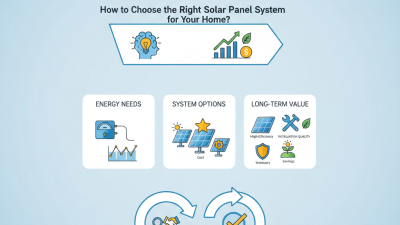
Homeowners should consider several factors before making a decision. Brand reputation, warranty offerings, and energy output are all vital considerations. While numerous products are available, not all may deliver the expected performance. Consumers need to navigate these choices wisely, reflecting on their unique needs and long-term goals.

Best Solar Panel Technologies Available for Home Use in 2026
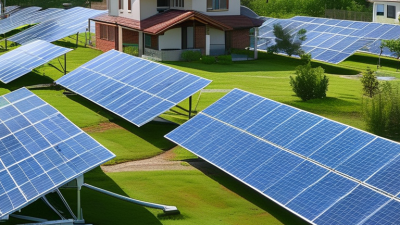
When selecting solar panel technologies for home use in 2026, it's crucial to understand the available options. Photovoltaic (PV) panels are a popular choice. They convert sunlight into electricity using semiconductors. Recent advancements have improved their efficiency significantly. These panels can now capture more sunlight, even on cloudy days.
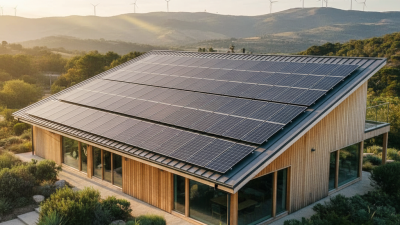
Another innovative technology is building-integrated photovoltaics (BIPV). These panels blend seamlessly with building materials, like rooftops and facades. This approach maximizes aesthetic appeal. However, BIPV systems may have higher costs and complexities in installation. Homeowners need to assess their budget and design preferences carefully.
In addition, thin-film solar panels offer flexibility and lightweight options for unique installations. They may not be as efficient as traditional PV panels but are easier to install on irregular surfaces. Homeowners should weigh the pros and cons. Overall, understanding the characteristics of each technology can guide informed decisions. Adapting to personal needs is essential for maximizing energy generation and efficiency.
Best Solar Panels for Home Use in 2026
| Panel Type |
Efficiency (%) |
Power Output (W) |
Price ($/W) |
Warranty (years) |
Installation Type |
| Monocrystalline |
20.5 |
320 |
0.95 |
25 |
Rooftop |
| Polycrystalline |
18.5 |
300 |
0.85 |
25 |
Rooftop |
| Bifacial |
21.0 |
350 |
1.05 |
30 |
Ground-mounted |
| Thin-film |
12.0 |
250 |
0.70 |
20 |
Flexible |
Key Factors to Consider When Choosing Solar Panels for Your Home
When choosing solar panels for your home, several key factors come into play. Efficiency is crucial. You want panels that convert sunlight into electricity effectively. Higher efficiency means more energy from the same space. Look at the wattage rating. It tells you how much power each panel can produce. Higher wattage typically indicates better performance.
Durability matters too. Solar panels face harsh elements like rain and hail. Check for warranties and certifications. A reliable warranty indicates manufacturers' confidence in their product. Also, consider the material used. Monocrystalline panels often last longer. They tend to have higher efficiency rates compared to other types.
Installation and cost are also essential points. Find skilled installers in your area. An effective installation can significantly impact overall performance. Prices can vary widely. Reflect on your budget. While cheaper panels might save money upfront, they may not be as efficient or durable. Balancing cost and quality is vital for long-term satisfaction.
Comparative Analysis of Leading Solar Panel Brands for 2026
As residential solar power gains momentum, understanding the landscape of solar panel brands is crucial. In 2026, various players dominate the market, each offering distinct advantages. Data from the Solar Energy Industries Association indicates that efficiency rates for solar panels have improved, with top models now exceeding 22% efficiency—up from around 18% just a few years ago.
While analyzing leading brands, consider warranty lengths and performance guarantees. Reports from the National Renewable Energy Laboratory reveal that panels with robust warranties often correlate with higher customer satisfaction. Yet, the performance of some brands can be inconsistent. Review studies suggest that while some panels perform excellently in ideal conditions, their efficiency drops in less favorable weather.
Prices are another variable, and consumers should weigh upfront costs against long-term savings. According to industry analysts, the payback period for solar panels is now around five to seven years. However, fluctuating energy prices and incentives can skew this calculation. Thus, buyers should remain vigilant and informed about local regulations and incentives to maximize their investment.
Installation Options: DIY vs. Professional Installation for Solar Panels
When considering solar panel installation, one must weigh DIY against professional installation. DIY can save money, but it requires skills and time. Not everyone has the technical know-how for such a project. If you're comfortable with tools and research, it might be a rewarding challenge.
However, hiring professionals often ensures safety and efficiency. Experts know local codes and can navigate permits. They will also have experience in optimizing panel placement. This can significantly increase your energy savings long-term. It's a worthwhile investment to consider.
Tips for DIY enthusiasts: double-check all measurements to avoid costly mistakes. Research energy needs and panel types thoroughly before purchasing. For those opting for professionals, ask about their certifications and past projects. It’s essential to choose a reliable provider. Make sure to read reviews and ask for references. Enjoying solar benefits starts with making the right installation choice.
Cost Analysis: Budgeting for Solar Panel Investment in 2026
Investing in solar panels in 2026 requires careful budgeting and analysis. According to industry reports, the average cost of solar panels per watt is projected to drop to around $2.50. This reduction highlights the growing affordability of renewable energy solutions. Homeowners can expect to spend between $15,000 and $25,000 for a complete solar panel system, depending on their energy needs and location.
It’s crucial to consider installation costs, which can account for 10 to 20% of the total investment. Some regions may offer incentives or rebates, significantly impacting the overall cost. Research indicates that federal tax credits could still be available, potentially reducing expenses by 26% through 2026. However, homeowners should evaluate their own electricity usage to find the most cost-effective system size.
Financing options vary widely. Some homeowners choose upfront payments, while others may opt for loans or leases. Each option has its pros and cons. Potential buyers need to reflect on their financial situation and energy goals. Reports indicate that over 70% of solar panel users see a return on investment within 7 to 10 years. Yet, it’s essential to keep in mind that solar technology is continually evolving, which may influence future costs and savings.