The Best Solar Applications for Global Buyers in China?
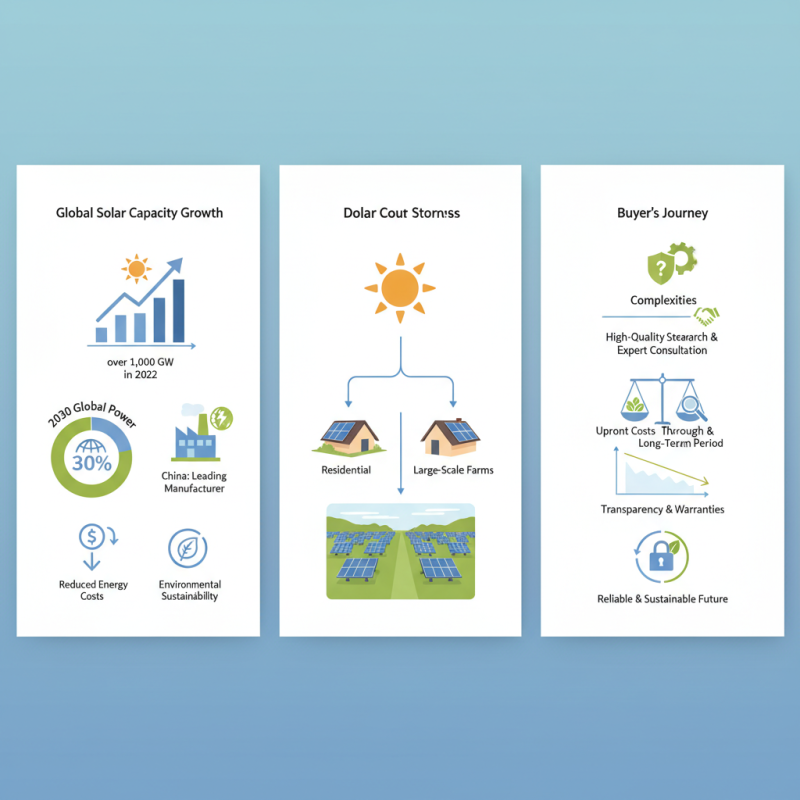
As global buyers look toward renewable energy solutions, Solar Applications stand out as a key area of interest. The International Energy Agency (IEA) reports that solar power capacity has grown significantly, reaching over 1,000 gigawatts in 2022. This growth presents numerous opportunities for buyers in China. The diverse landscape of solar applications ranges from residential rooftop panels to large-scale solar farms. These technologies not only reduce energy costs but also promote environmental sustainability.
China, as the world's leading manufacturer of solar technology, plays a pivotal role in this market. According to BloombergNEF, solar installations could provide up to 30% of global power by 2030. However, the complexities of choosing the right solar applications can be daunting for buyers. Not all products meet high-quality standards, and misinformation can lead to poor investment decisions. It’s crucial for buyers to conduct thorough research and consult industry experts to identify the best options tailored to their needs.
Investing in solar applications also requires careful consideration of long-term returns versus upfront costs. While initial expenses may seem high, the payback period for solar investments has decreased significantly. Transparency in product performance and credible warranties are essential for building trust. This evolving market landscape highlights the importance of informed decisions in securing reliable solar solutions for a sustainable future.
The Growing Solar Market in China: Key Statistics and Trends
China's solar market has witnessed remarkable growth in recent years. In 2022, the country installed over 60 gigawatts of solar capacity. This is a significant increase compared to previous years. The rapid expansion is driven by government policies encouraging renewable energy. Many cities are adopting solar power as a primary energy source.
The rise of solar energy also reflects changing consumer preferences. More homeowners are becoming aware of sustainable energy solutions. They seek to reduce their carbon footprints while saving on electricity bills. Yet, challenges persist. Some regions face limitations in grid capacity to support solar energy. Additionally, there are concerns over the quality of solar products. Buyers need to be cautious and do thorough research.
The growing interest in solar applications also opens doors for global buyers. By tapping into China's market, they can access innovative technologies. However, understanding local regulations and standards is crucial. This knowledge can help navigate potential obstacles. Adopting solar energy in China requires a thoughtful approach. The future of the solar market looks promising, with room for improvement and growth.
Top Solar Applications in China: Energy Generation, Storage, and Beyond
In recent years, solar energy has gained immense traction in China. It serves various applications, shaping the future of energy generation and storage. A major advancement is seen in solar panels, which efficiently convert sunlight into electricity. Homes and businesses tap into this renewable resource, significantly reducing utility bills and carbon footprints.
Battery storage is another critical area. Innovations in lithium-ion technology allow users to store excess energy generated during sunny days. This stored energy can then power homes at night or during cloudy weather. Such systems provide energy reliability and promote sustainability.
Tips: For optimal energy storage, consider investing in a system that matches your energy needs. Regular maintenance on solar panels ensures peak performance. Also, stay informed about local incentives for solar installations, which can offset costs and encourage smoother adoption. Always explore multiple options, as some installations may involve unexpected challenges.
Cost-Effectiveness of Solar Solutions: Analyzing Price Competitiveness
In today's competitive market, the cost-effectiveness of solar solutions is more important than ever. Global buyers looking to invest in solar applications from China must analyze pricing structures carefully. Many manufacturers offer competitive rates, which can significantly reduce initial investment costs. However, the cheapest option is not always the best choice.
Quality assurance is crucial for long-term performance. Some low-cost products may compromise durability and efficiency. This is where careful research pays off. Buyers should consider performance warranties and customer feedback. Investing in a slightly pricier product may yield better returns over time.
Additionally, regional pricing differences can affect overall expenses. Understanding local market conditions could offer insights into hidden costs, such as shipping and taxes. Buyers should remain vigilant. A product that seems affordable may have unexpected additional expenses. A thorough assessment of both costs and benefits is essential for making informed decisions in solar technology investments.
Innovative Solar Technologies Emerging from China: Industry Leaders
China is at the forefront of innovative solar technologies. The country has emerged as a leader in solar energy solutions. Recent advancements are reshaping the global market, benefiting international buyers. Emerging technologies include high-efficiency solar cells and unique energy storage systems.
These new solutions enhance energy output significantly. For instance, bifacial solar panels capture sunlight from both sides, increasing overall efficiency. Solar tracking systems are also gaining traction. They adjust the panel's angle throughout the day to maximize sunlight exposure. Such innovations may transform traditional energy production methods.
Tips: Consider the environmental impact when choosing solar technology. Assessing sustainability is as important as efficiency. Look for technologies that minimize waste and promote eco-friendly practices. Investing wisely can lead to long-term gains. Research and compare different technologies thoroughly to ensure informed decisions.
The Best Solar Applications for Global Buyers in China
This chart illustrates the market share of various solar applications in China, showcasing the growth of innovative technologies in the solar industry. The data reflects the significance of these applications for global buyers in China.
Regulatory Framework and Incentives for Solar Adoption in China
China has implemented a robust regulatory framework to promote solar energy adoption. The government sets clear guidelines for solar projects. This includes simplified approval processes and standardized grid access. Recent policies aim to boost solar capacity and reduce costs. These steps help local and international investors navigate the market.
Financial incentives play a crucial role in this landscape. Subsidies for solar panel installation lower the barrier for buyers. Tax credits and incentives encourage more consumers to transition to solar power. However, challenges remain. Some regions still face bureaucratic hurdles. There are inconsistencies in policy implementation across provinces. Investors must remain vigilant and engage with local authorities.
Public awareness campaigns aim to educate citizens about solar benefits. This grassroots effort is essential for long-term growth. The enthusiasm for solar power exists, but knowledge gaps remain. Continued efforts are necessary to ensure that all citizens can benefit from solar energy. Being informed can lead to smarter decisions for the environment and economy.
The Best Solar Applications for Global Buyers in China
| Application | Description | Regulatory Framework | Incentives |
| Residential Solar Systems | Solar panels installed on residential rooftops for energy generation. | National and local policies promoting residential solar energy. | Subsidies and tax rebates for homeowners installing solar systems. |
| Solar Farms | Large-scale solar power installations that feed energy into the grid. | Frameworks facilitating land acquisition and grid connection. | Feed-in tariffs and reduced land leasing costs. |
| Solar Water Heaters | Systems using solar energy to heat water for domestic use. | Regulations ensuring safety and efficiency standards. | Financial support and promotion of energy conservation. |
| Solar Lighting | Solar-powered street lights and garden lighting solutions. | Supportive policies for renewable energy in public spaces. | Grants for municipal projects using solar lighting. |
| Solar Pumps | Pumping systems powered by solar for agricultural use. | Regulations supporting sustainable agricultural practices. | Subsidized installation costs for farmers. |