10 Best Off Grid Solar Systems for Your Home Needs?
In today's pursuit of sustainable living, the concept of off grid solar systems has gained immense popularity. Experts emphasize the importance of self-sufficiency in energy production. John Smith, a renowned advocate for renewable energy, states, "Off grid solar is not just a choice; it’s a lifestyle that connects us with nature." This sentiment resonates with many homeowners seeking independence from conventional power sources.
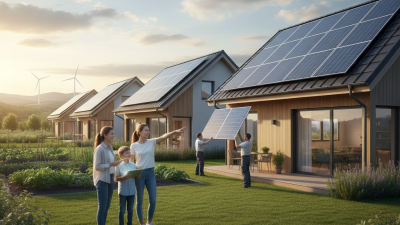
The charm of off grid solar lies in its ability to provide power in remote areas. Imagine a home powered entirely by the sun, surrounded by nature's beauty. While the idea is appealing, creating an effective off grid solar system can be challenging. It requires careful planning and understanding of energy needs. Mistakes can lead to insufficient power or expensive fixes.
Choosing the best off grid solar system is a critical step. It involves evaluating battery storage, panel quality, and installation processes. Each element plays a vital role in ensuring your system's longevity. As you explore options, remember that perfect solutions are rare. You might need to adapt as your energy requirements change. Reflecting on these challenges can lead to a more reliable off grid solar experience.
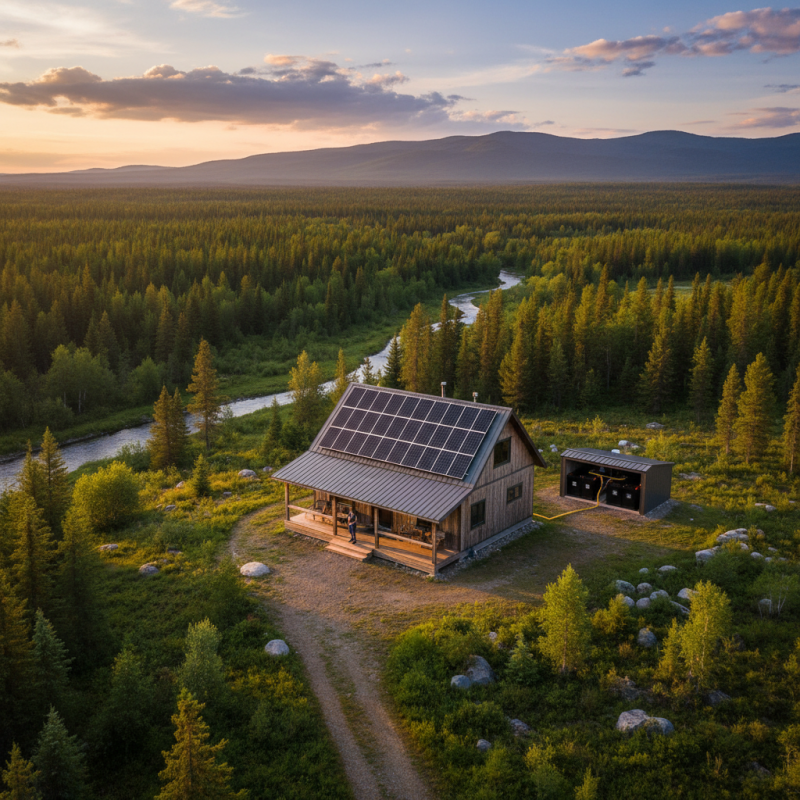
Overview of Off Grid Solar Systems and Their Benefits
Off-grid solar systems offer a
sustainable solution for homeowners seeking energy independence. They provide electricity without relying on traditional grids.
These systems often include solar panels, batteries, and inverters. A key benefit is reduced energy bills.
They minimize reliance on fossil fuels, which helps the environment.
Choosing the right components can be overwhelming. Not all solar panels are created equal. It’s crucial to select those that suit
your energy needs. Evaluate your current consumption before investing.
You should assess roof space for the installation. The orientation and angle of your panels play a significant role in efficiency.
Tip: Start with a small system to test its effectiveness. Gradually expand as
you learn what works best. Regular maintenance is necessary to ensure optimal performance. Clean panels regularly to avoid dirt build-up,
which can reduce energy output. Another tip is to monitor energy usage with a smart meter.
Adjusting habits can further enhance savings. Each system has unique challenges. Be prepared for trial and error during the setup.
Key Factors to Consider When Choosing an Off Grid Solar System
Choosing an off-grid solar system requires careful consideration of several key factors. First, evaluate your energy needs.
Calculate the total watt-hours you consume daily. This helps you determine the appropriate system size for your household.
It's essential to factor in seasonal variations in energy use. For example, winter may require more energy for heating.
Next, consider the type of solar panels. There are various options available, and their efficiency can differ significantly.
High-efficiency panels may cost more but can save you space and provide better energy output.
Look into battery storage as well. The size and type of battery can impact your system's reliability.
A quality battery can ensure you have power during cloudy days or at night.
Think about installation requirements. Some systems may be easier to set up than others.
If you’re not handy, you might need professional help. This can increase overall costs. Your local climate also matters.
In areas with frequent rain or snow, you need a system that can withstand harsh conditions.
How well a system performs under these circumstances may require deeper research.
Balancing these factors can lead to more informed decisions, ultimately affecting your off-grid experience.
Top 10 Off Grid Solar Systems for Residential Use
When considering off-grid solar systems for residential use, it’s essential to understand their features. Many homeowners seek independence from traditional power sources. In fact, a report by the National Renewable Energy Laboratory states that nearly 1.7 million U.S. homes utilize some form of solar energy. What’s remarkable is that off-grid systems can significantly reduce or eliminate utility bills.
Installation is no simple task, though. Homeowners often misjudge the total energy needs. A common mistake is underestimating peak power requirements. According to industry studies, many families need at least 10,000 watts to cover basic appliances. This number might soar based on individual usage habits and seasonal changes. Furthermore, the durability of solar panels plays a vital role. Reports show that high-quality systems can last up to 25 years. However, this longevity often comes with higher upfront costs, a hurdle for some.
Consideration of battery systems is crucial as well. These components store excess energy for later use. Yet, many do not factor in their maintenance and replacement needs. A study indicated that battery systems may require replacements every 5-15 years, leading to unexpected expenses. This aspect stresses the importance of careful budgeting and planning for long-term investments. Choosing the right off-grid solar system requires more than just looking at initial costs.
10 Best Off Grid Solar Systems for Your Home Needs
This chart displays the estimated energy output (in kWh) of the top 10 off-grid solar systems based on their specifications. These values demonstrate the potential energy production for each system based on average sunlight conditions over a year.
Comparative Analysis of Leading Off Grid Solar Brands
When considering off-grid solar systems, it's crucial to evaluate the leading brands. They offer unique features that cater to various home needs. Each brand has its strengths, making direct comparisons essential.
One key aspect is system efficiency. Some systems convert solar energy better than others. This affects how much energy you can generate. Look for solar panels with high efficiency ratings. Also, consider battery storage options. They determine how much energy you can use at night or during cloudy days.
Tips: Regularly assess your energy needs. Understand how much power each appliance consumes. This knowledge helps in choosing the right system size.
Cost is another critical factor. Some brands are more affordable up front but may be cheaper in the long run. Analyze the warranty periods and the reliability of customer support. This can save money and stress later.
Tips: Get multiple quotes before making a decision. Don’t rush into buying. Take time to compare specifications and benefits.
The installation process also varies. Some systems require professional installation, while others allow for DIY. Consider your own skills and comfort level with installation. This could impact your overall experience.
Installation and Maintenance Tips for Off Grid Solar Systems
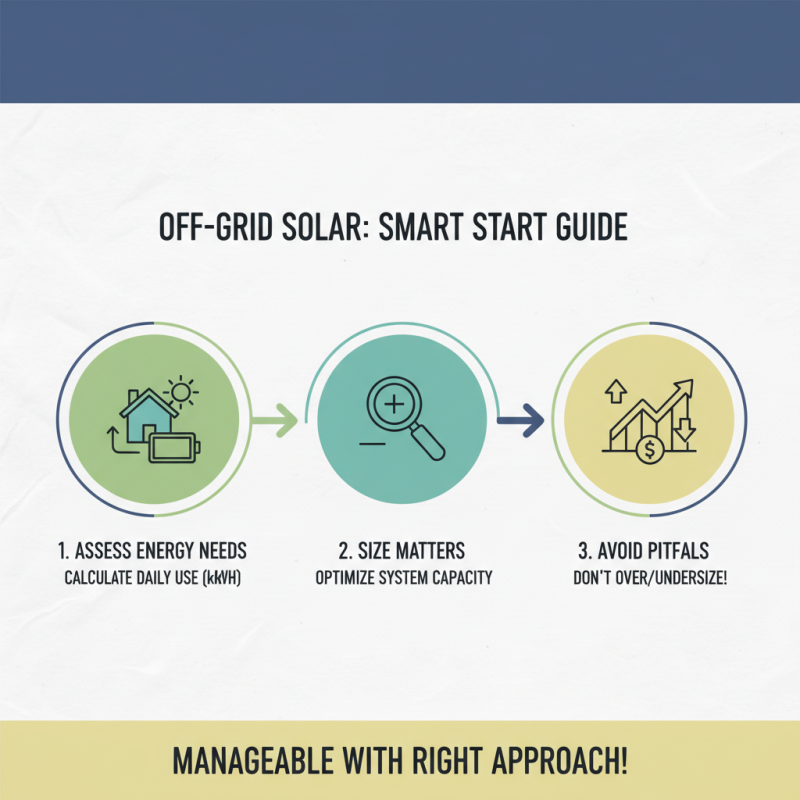
Installing an off-grid solar system has its challenges, but with the right approach, it can be manageable. First, assess your energy needs carefully. Calculate daily energy consumption to determine the best system size. Oversizing your system can lead to unnecessary costs. Similarly, undersizing can leave you struggling for power.
Maintenance is crucial. Regularly inspect solar panels for dirt and debris. Clean them at least twice a year to ensure optimal performance. Check connections and wiring for wear. Any damaged components can reduce efficiency. Listen for unusual sounds; they may indicate deeper issues.
Tips: Choose durable materials when installing your system. This can save money in the long run. Monitor system performance using a simple app if possible. Understanding your system helps you catch problems early. Don’t ignore small issues. They can escalate and lead to bigger repairs. Remember, an off-grid system requires your attention. Your commitment will pay off in energy independence.