Top 10 Benefits of Solar Panels for Home Use to Consider
As energy costs continue to rise, homeowners are increasingly considering solar panels for home use. According to the Solar Energy Industries Association (SEIA), residential solar installations grew by 20% in 2022 alone. This trend highlights the growing awareness and demand for renewable energy solutions. The investment in solar energy can lead to significant savings, with homeowners reportedly saving an average of $1,500 annually.
Solar panels for home use also contribute to environmental sustainability. They help reduce carbon footprints by lowering reliance on fossil fuels. Recent studies show that, on average, solar panels can save between 3 to 4 tons of carbon dioxide emissions per year per household. However, these systems come with initial costs and maintenance considerations that require careful evaluation.
Not all homes are ideal for solar energy. Factors such as roof orientation, sunlight exposure, and local regulations can impact effectiveness. Yet, with innovations in technology and financing options, many homeowners find the transition to solar increasingly feasible and beneficial. More access to information enhances decision-making, but the complexities deserve thorough exploration.

Key Advantages of Installing Solar Panels in Residential Properties
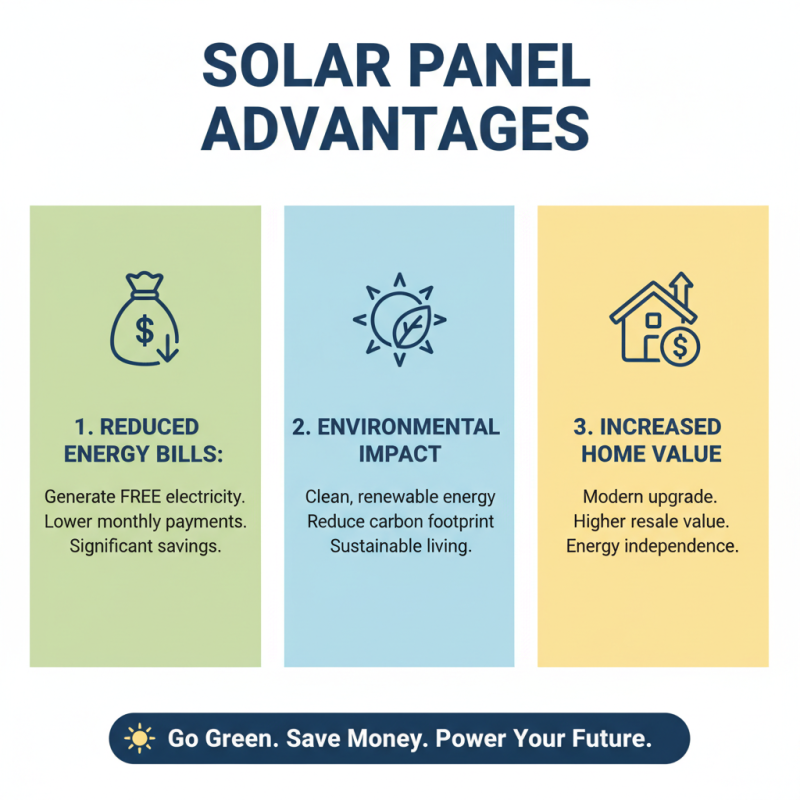
Installing solar panels in residential properties comes with numerous key advantages. For starters, homeowners can significantly reduce their energy bills. By harnessing sunlight, solar panels generate free electricity, leading to lower monthly payments. Many families notice incredible savings after installation. Imagine checking your utility bill and seeing a drastic drop!
Another advantage is energy independence. With solar panels, homeowners can rely less on traditional energy sources. This means less vulnerability to fluctuating energy prices. Many people feel empowered by producing their own power. The idea of using clean energy appeals to those who care about the environment. It’s rewarding to know your home produces zero emissions.
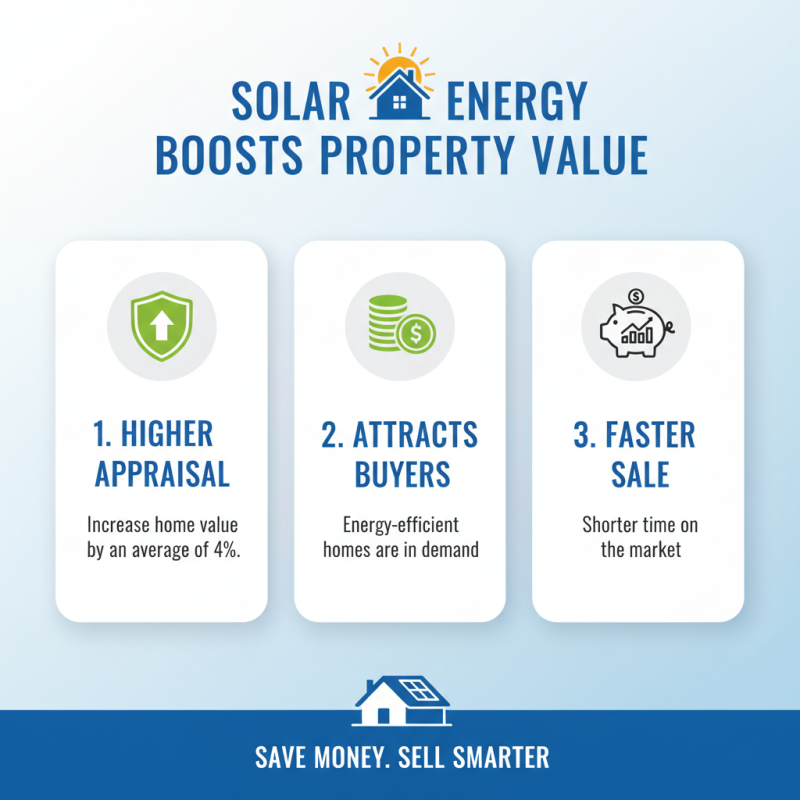
Additionally, solar panels can increase property value. Homes equipped with solar technology often attract potential buyers. They see long-term savings and sustainability as attractive features. However, installation costs can be a barrier. Not everyone can afford the upfront investment, which leads to reflection on financing options. Overall, the benefits of solar energy continue to outshine traditional methods in many ways.
Long-Term Financial Savings Through Solar Energy Adoption
Adopting solar energy can lead to significant long-term financial savings for homeowners. The initial investment may seem daunting, but the return can be worth it. Many households report reductions in their electricity bills. In some cases, these savings can take thousands of dollars off annual expenses. Additionally, solar panels often increase home value. Properties equipped with solar systems are attractive to buyers.
However, the financial benefits can vary. Geographic location plays a crucial role. Some areas receive more sunlight than others, influencing energy production. It's important to consider maintenance costs, too. While solar panels are generally low maintenance, occasional repairs can arise. Homeowners should also reflect on their energy consumption patterns. Some families may find themselves using more electricity than anticipated, reducing the promised savings.
Government incentives can enhance savings further. Tax credits and rebates often exist to encourage solar adoption. However, not everyone qualifies for these programs. Research is essential to understand local regulations and incentives. The road to solar energy can be complicated. Yet, for many, it's a worthwhile journey.
Environmental Impact: How Solar Panels Reduce Carbon Footprint
Solar panels play a pivotal role in combating climate change. By harnessing solar energy, households can significantly reduce their carbon footprint. This transition helps minimize reliance on fossil fuels. A typical solar panel installation can offset thousands of pounds of CO2 emissions each year. It’s a direct way to cut down on air pollution.
While the benefits are clear, the initial installation can be daunting. It requires a substantial investment and a mindful approach to energy use. Homeowners might wonder if the high costs are truly justified. Additionally, some panels may have a shorter lifespan than expected. Maintenance can be another concern. However, the environmental advantages often outweigh those worries.
Embracing solar energy is a step towards sustainability. Each home that switches to solar makes a difference. Yet, it’s essential to remain critical. Are we doing enough to research panel efficiency? Are we just jumping on a trend? These questions help refine our understanding of solar power’s full impact. As we move forward, thoughtful choices are key.
Increased Property Value With Solar Energy Systems
Solar energy systems can significantly increase your property value. Homes with solar panels often attract buyers looking for energy efficiency. These systems offer long-term savings on utility bills. When selling, properties with solar installations stand out. This can result in a higher sale price.
Consider these tips when installing solar panels. First, assess your roof’s orientation and condition. Ideal placements receive maximum sunlight. Also, research local incentives. Many areas offer tax breaks or rebates, making the initial costs more manageable. It's essential to understand your energy needs and how solar can meet them.
Lastly, think about future market trends. Solar energy is likely to gain more popularity. Buyers may prioritize homes with sustainable features. This shift could enhance your property's appeal over time. Investing in solar panels today may yield significant returns in property value later.
Energy Independence and Reliability from Solar Power Solutions
Energy independence is a significant advantage of solar power systems. Many homeowners worry about fluctuating energy prices. A 2021 report from the U.S. Energy Information Administration noted that electricity prices rose 6.5% in just one year. This volatility can strain household budgets. By switching to solar, homeowners can lock in energy costs. This minimizes exposure to market changes.
Reliability is another crucial benefit. Solar systems are designed to last for decades, typically around 25 years or more. The National Renewable Energy Laboratory states that solar panels can produce energy even under cloudy conditions. Additionally, advancements in battery storage allow homeowners to use stored energy at night, enhancing reliability. The potential for grid independence is appealing, but challenges remain. Not every location is ideal for solar, and initial costs can be a barrier.
The ability to generate electricity on-site reduces dependence on utility companies. Some areas might still experience power outages, stressing the importance of backup systems. It's a common misconception that solar energy solves all energy needs. Seasonal variations and local regulations can impact effectiveness. Homeowners need to research and consider their unique situations before committing to a solar investment.