Top Benefits of Off Grid Solar Systems for Global Buyers?
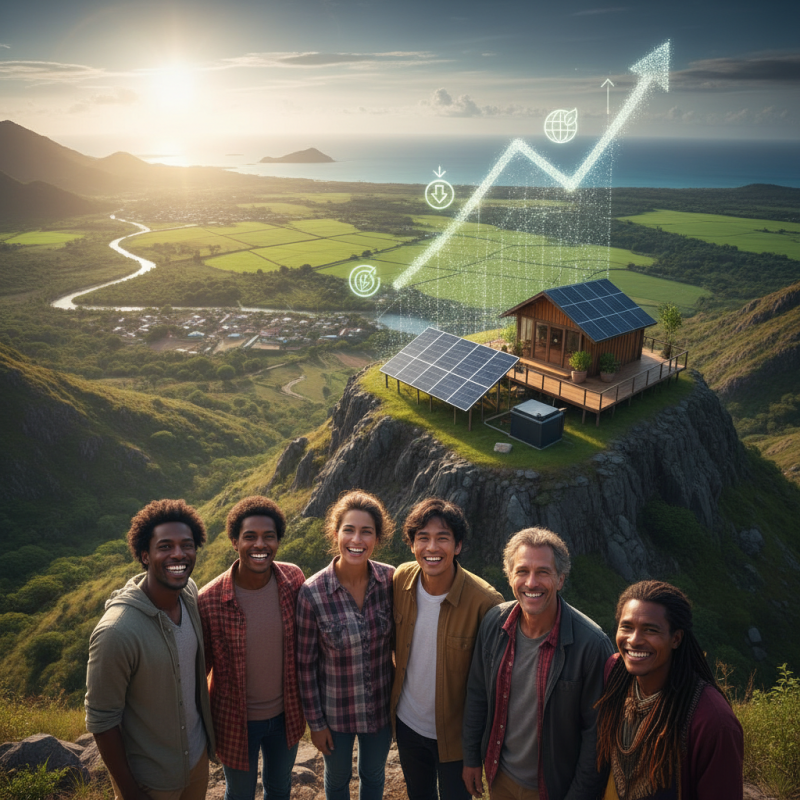
Off grid solar systems are transforming the way we think about energy independence. According to Dr. Jane Smith, an expert in renewable energy, “Embracing off grid solar solutions can lead to profound environmental and economic benefits.” This statement highlights the potential of these systems for global buyers.
Investing in off grid solar systems offers numerous advantages. They allow users to harness solar energy regardless of location. This feature is especially crucial for those in remote areas. Additionally, these systems contribute to reduced electricity bills and lower carbon footprints.
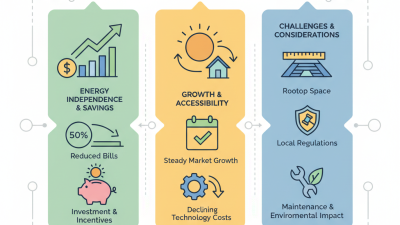
Nevertheless, transitioning to off grid solar isn't always straightforward. There are challenges related to initial costs and system maintenance. Buyers must assess their energy needs carefully. Understanding these complexities is crucial for making informed decisions. Embracing off grid solar may require patience and perseverance.
Benefits of Off Grid Solar Systems for Sustainable Living
Off-grid solar systems offer significant benefits for sustainable living. They provide clean energy in remote locations, reducing reliance on fossil fuels. According to a 2021 report by the International Renewable Energy Agency (IRENA), off-grid solar installations have increased by over 40% in the last five years. This rapid growth highlights the appeal of renewable sources for environmentally conscious consumers.
One major advantage is the reduction of energy costs. Homeowners can save thousands on electric bills by harnessing the sun's power. The U.S. Department of Energy projected that a typical residential solar system can save $20,000 over its lifespan. However, initial installation costs can be high, posing a barrier that many face. Potential buyers need to weigh short-term expenses against long-term savings carefully.
Another benefit is energy independence. Off-grid systems empower users to generate their energy. This autonomy enhances resilience, especially in natural disasters. Yet, maintenance can be a challenge. Solar panels require regular cleaning and occasional repairs, which can strain individuals unprepared for such tasks. The learning curve can be steep, but the payoff is substantial for those committed to sustainable living.
Cost Savings Compared to Traditional Energy Sources
Off-grid solar systems offer significant cost savings when compared to traditional energy sources. With rising utility bills, many global buyers seek alternatives. Solar energy is abundant and the technology has improved, making it more affordable. Using solar panels reduces reliance on fossil fuels. This independence translates into long-term financial benefits.
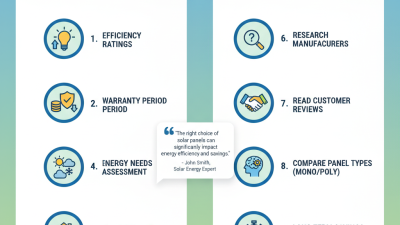
You can start by assessing your energy needs. This helps determine the size of the solar system required. A well-planned system can cover all your energy demands. Remember that initial investments can be high, but savings accumulate over time. Even small installations can lead to noticeable decreases in bills.
Investing in off-grid solar technology offers a sustainable approach to energy consumption. Regular maintenance is needed to keep systems working efficiently. Always consider location when installing solar panels. Some areas receive less sunlight, impacting energy production. Monitoring your usage can reveal potential savings. Expanding your knowledge on energy efficiency will further minimize costs.
Energy Independence and Security in Remote Locations
Off-grid solar systems provide essential energy independence, especially in remote locations. These systems harness sunlight to generate electricity, eliminating reliance on conventional power grids. This is particularly crucial for regions with unstable energy supply. With a well-designed solar setup, users can access reliable electricity, enhancing their quality of life and enabling various activities.
When considering off-grid solar systems, evaluate your energy needs carefully. Take measurements of daily energy consumption. Estimate how many solar panels and batteries you’ll require. This preparation prevents overspending and ensures stability. Remember to factor in seasonal variations in sunlight. Some areas experience long periods of cloud cover or shorter days during winter.
Maintenance is another critical aspect to ponder. While solar panels are generally low-maintenance, occasional cleaning is necessary. Dust and debris can reduce efficiency. Periodically check all components for wear and tear. This practice helps in maximizing the system's lifespan and performance. Embracing off-grid solar means fostering self-sufficiency. Reflect on your energy habits and adjust accordingly for the best outcomes.
Environmental Impact and Carbon Footprint Reduction
Off-grid solar systems play a significant role in reducing carbon footprints. By harnessing renewable energy, these systems minimize reliance on fossil fuels. This shift results in lower greenhouse gas emissions. For many, the transition to solar energy means cleaner air and reduced environmental harm.
The impact of off-grid systems goes beyond energy savings. They can be set up in remote areas, benefiting communities with limited access to electricity. However, the setup may have challenges. Initial costs can be high, and not all locations are suitable. Buyers must consider local conditions. Despite these hurdles, the long-term benefits can outweigh the drawbacks.
Choosing off-grid solar systems also encourages conscious consumption. Users become more aware of their energy usage, prompting sustainability efforts. Each kilowatt saved can lead to meaningful reductions in one's overall carbon footprint. Many are finding that the effort involved in adopting solar technology outweighs the environmental benefits gained.
Top Benefits of Off Grid Solar Systems for Global Buyers
This chart illustrates the top benefits of off-grid solar systems, highlighting the percentage of global buyers who value each aspect. Cost savings are the leading benefit, followed by environmental impact and energy independence, showcasing the diverse reasons consumers are turning to off-grid solar solutions.
Versatility and Customization for Various Applications
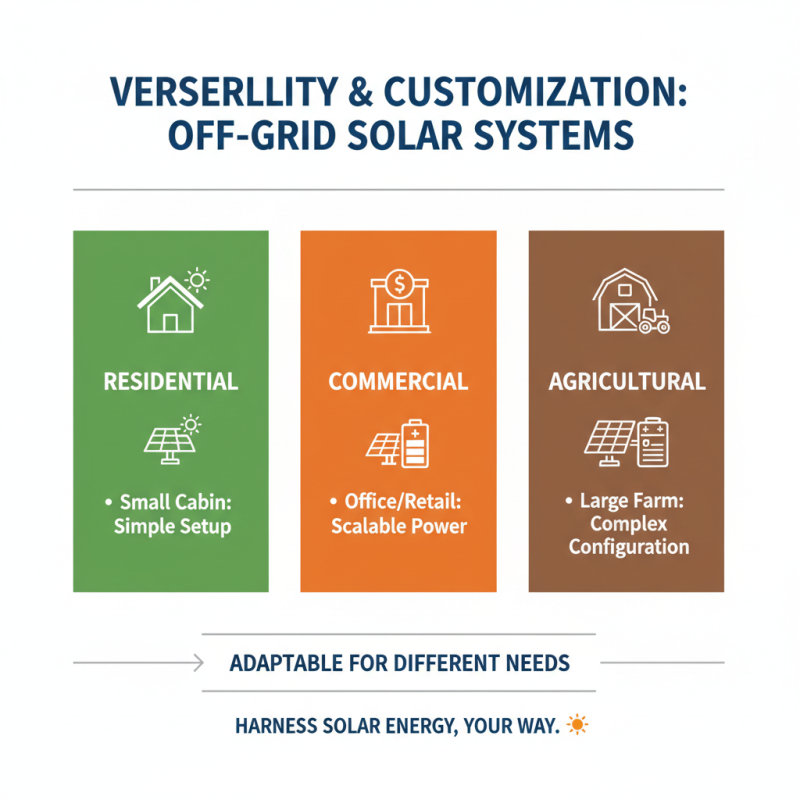
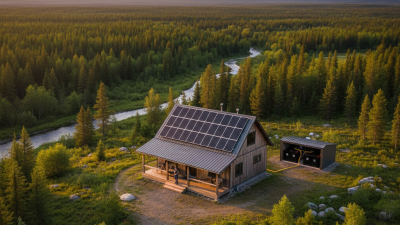
Off-grid solar systems offer remarkable versatility. They can be tailored for different needs, whether for residential, commercial, or agricultural purposes. This flexibility allows users to harness solar energy according to their specific situations. A small cabin in the woods could benefit from a simple setup, while a large farm may require a more complex configuration.
Customization is key when considering off-grid systems. Buyers can choose components that fit their energy demands. Solar panels, batteries, and inverters can all be selected based on size and capacity. For example, a remote location might need larger battery storage for night-time use. Users often experience challenges determining the correct configurations. Individual energy consumption patterns greatly influence choices.
While off-grid systems provide independence, they also require thoughtful planning. Not every setup is foolproof. Evaluating energy needs and local solar availability can be daunting. Users should take their time exploring options. Reflecting on past experiences with energy management can lead to better decisions. Embracing the potential of customization with an open mind will yield positive results.