Top Tips for Choosing an Off Grid Solar System for Your Needs
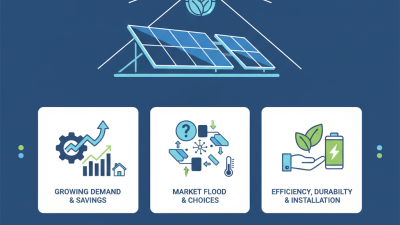
As more individuals consider sustainable living, the demand for off grid solar systems is rising. According to a recent industry report by the Solar Energy Industries Association (SEIA), the off-grid solar market is projected to grow by over 20% annually. This growth reflects a shift towards renewable energy and independence from traditional power sources.
Choosing an off grid solar system requires careful consideration. Not all options meet everyone's needs. Factors such as energy consumption, geographic location, and budget play crucial roles. It's essential to evaluate your power needs accurately. The National Renewable Energy Laboratory suggests that proper assessments can reduce costs and improve efficiency.
While off grid systems offer numerous benefits, challenges remain. Limited energy storage and initial costs can be significant hurdles. Some users may find the initial investment daunting. Yet, the long-term savings and environmental impact often justify the commitment. Reflecting on these aspects can lead to wiser decisions when selecting an off grid solar system.
Understanding Your Power Needs for Off Grid Solar Systems
When selecting an off-grid solar system, understanding your
power needs is crucial. Assess your energy consumption carefully.
Calculate the wattage of appliances like refrigerators, lights, and electronics. Keep track of daily usage. This
process helps in determining the total power you need. Ignoring your real energy requirements can lead to
inefficient systems and wasted money.
Consider your lifestyle. Do you use high-energy appliances or only basics? Simple habits can greatly
affect consumption. If you spend limited time at home, your needs are lower. Focus on energy-efficient devices to reduce load. Always account for seasonal variations too.
Energy needs can fluctuate with weather changes, especially during winter.
Think about battery storage as well. It’s often
misunderstood. Batteries hold excess energy for use during cloudy spells or nighttime. Choose capacity wisely;
too little and you’ll run out of power, too much and you’ll overpay. Regularly reassessing energy needs is
essential too. Life changes affect consumption patterns. Continuous evaluation helps maintain a reliable and
efficient system.
Assessing Your Location for Optimal Solar Energy Production
Assessing your location is crucial for maximizing solar energy production. Different regions receive varying amounts of sunlight. For example, areas with abundant sunshine can generate significantly more energy than those with frequent cloud cover. According to the National Renewable Energy Laboratory, the southwestern United States has some of the highest levels of solar radiation. Understanding your local climate allows for tailored solar solutions, making energy production more efficient.
Topographic features also play a vital role. Nearby mountains, trees, or buildings may cause shading. This can drastically reduce energy efficiency. A study from the Solar Energy Industries Association highlights that even a modest shadow can diminish output by 20%. Evaluating the surrounding environment can help in selecting the best solar panel placement to minimize shading.
Lastly, consider seasonal variations in sunlight. During winter months, days are shorter, leading to reduced energy production. Research indicates that solar performance can drop by up to 30% in colder months compared to summer. An understanding of these seasonal impacts will assist in designing a system that meets energy needs year-round, even in less sunny periods. Being aware of these factors can lead to better decision-making when choosing an off-grid solar system.
Choosing the Right Solar Panels: Types and Efficiency Ratings
When considering an off-grid solar system, choosing the right solar panels is crucial. The performance and efficiency of solar panels can vary widely. Industry reports show that monocrystalline panels typically achieve efficiency ratings between 15% and 22%. This can significantly affect the energy output you can expect from your system.
Look into panel types carefully. Polycrystalline panels generally have a lower efficiency, around 13% to 16%. However, they are often more affordable. If space is limited, monocrystalline panels may be the better choice due to their higher output per square meter. Remember, your location also affects solar efficiency. Areas with more sunlight will yield better results.
When selecting solar panels, ensure they have a reliable warranty. A warranty of 25 years is common for high-quality panels. This reflects the manufacturer's confidence in their product. Also, consider the temperature coefficient. A lower coefficient means better performance in high heat.
Tip: Invest time in researching efficiency ratings. It pays off in the long run. The upfront cost may be higher, but efficiency leads to greater savings. Evaluate your energy needs and space availability before making a decision. Quality often matters more than brand names in solar panel performance.
Evaluating Battery Storage Options for Off Grid Systems
When evaluating battery storage options for off-grid solar systems, consider your energy needs. A typical household may require between 5 to 20 kilowatt-hours (kWh) daily, depending on usage. Before selecting a battery, assess your peak consumption times. This data helps determine the necessary battery capacity.
Lithium-ion batteries are popular choices due to their efficiency and longevity. These batteries typically provide a usable lifespan of 5,000 to 15,000 cycles. However, they can be costly. On the other hand, lead-acid batteries are often cheaper but have a shorter lifecycle of about 1,000 cycles. This trade-off may affect long-term savings and reliability.
Moreover, the state of charge (SoC) must be monitored. Maintaining optimal SoC prolongs battery life and ensures you meet your energy needs. Discharging too deeply or charging too quickly can lead to premature failure. Reports indicate that improper management can reduce battery efficiency by up to 30%.
It is crucial to weigh these factors carefully. Investing in robust battery management systems can enhance your off-grid experience. However, these systems add complexity. Finding the right balance often involves a learning process to truly understand your setup. Be prepared to adapt as your energy consumption evolves.
Budgeting for Installation and Maintenance of Solar Solutions
When considering an off-grid solar system, budgeting plays a crucial role. Installation costs can vary significantly based on your energy needs. You might find that components, such as panels and inverters, influence the total cost. Planning carefully can prevent overspending.
Ongoing maintenance is another key factor. Regular checks on your system can help spot issues early. This could save you money in the long run. Neglecting maintenance can lead to unexpected expenses. Aim for a balance between quality and cost. Good equipment may have a higher upfront cost but lower long-term maintenance fees.
Take time to research and gather estimates. Comparing options can lead to better decisions. Consider your specific energy needs and local climate conditions, as these can affect system performance. Being thorough in your planning could make the difference between a sustainable solution and a financial burden.
Budgeting for Installation and Maintenance of Off Grid Solar Systems