Are Residential Solar Panels Worth the Investment for Homeowners?
In recent years, the debate over the value of residential solar panels has intensified. Many homeowners ponder whether this investment is worthwhile. According to Dr. Emily Carter, a leading expert in renewable energy, “Investing in residential solar panels often pays off in the long run.” Her insight sheds light on the complex considerations homeowners face when deciding on solar energy.
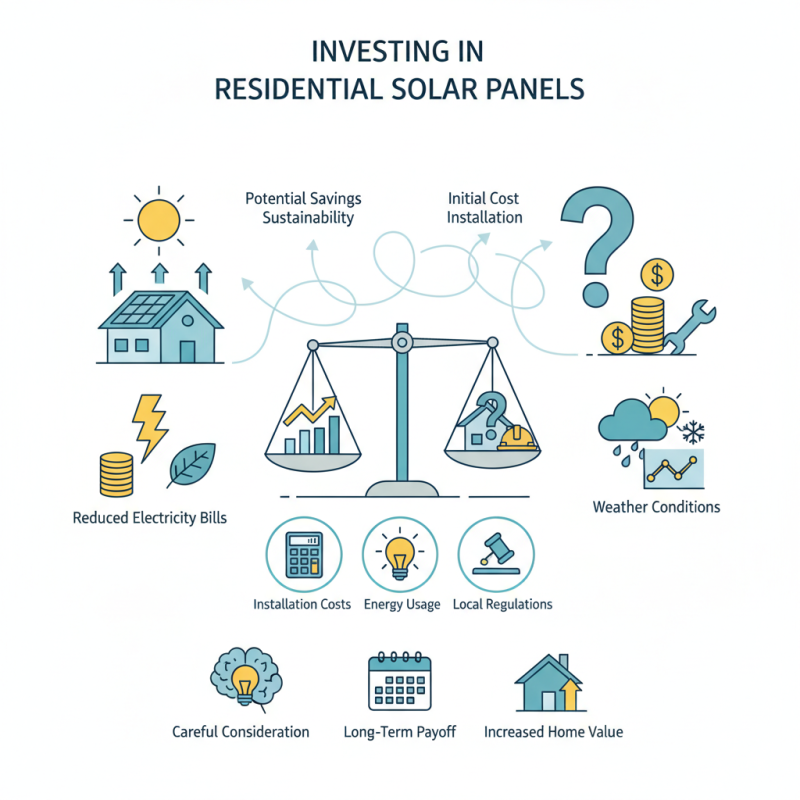
Residential solar panels offer potential savings on electricity bills and contribute to environmental sustainability. However, the initial cost can be daunting for many families. Some may question the effectiveness of solar panels in different weather conditions. This raises concerns about the reliability of such an investment.
Homeowners must weigh factors like installation costs, energy usage, and local regulations. While solar panels can lead to savings and increased home value, the decision is not straightforward. It requires careful consideration and reflection. Each home is unique, and the value of residential solar panels varies widely.
Factors Influencing the Cost of Residential Solar Panel Installation
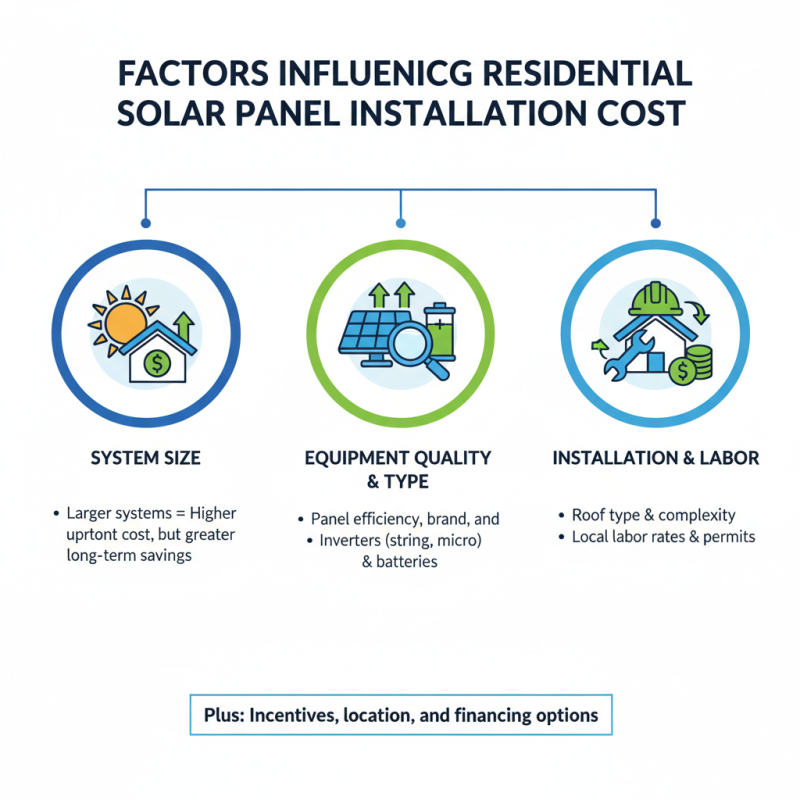
When considering residential solar panels, understanding installation costs is crucial. Several factors contribute to these expenses. Firstly, the size of the installation directly affects the price. Larger systems, while more expensive upfront, can produce more energy and offer better savings over time.
Additionally, local regulations and permits can influence overall costs. In some areas, the permitting process is straightforward. In others, it can be complex and time-consuming. This variation can result in significant differences in installation expenses. Labor costs also vary by region. Competitive markets may offer lower installation fees, while high-demand areas can see increased prices.
Lastly, equipment quality matters. High-efficiency panels tend to cost more but can yield better long-term returns. Homeowners must weigh these factors against potential savings on electricity bills. Not every installation will fit every budget or lifestyle. Careful consideration is essential for making an informed investment. There's no one-size-fits-all answer, and that's part of the challenge.
Long-Term Financial Savings from Solar Energy for Homeowners
Homeowners are increasingly considering solar panels as a means to reduce energy bills and contribute to environmental sustainability. According to the National Renewable Energy Laboratory, solar energy has been shown to lower electricity costs significantly. Homeowners can save an average of $20,000 over 20 years if they invest in solar panels. This statistic highlights the potential of solar energy to provide long-term financial benefits.
The initial investment in solar panels may seem daunting. However, many states offer incentives that can offset the installation costs. In some areas, homeowners can receive tax credits that cover up to 26% of the installation expense. The Energy Information Administration reports that homeowners pay about 13 cents per kilowatt-hour for electricity. By switching to solar, costs can be reduced to as low as 6 cents per kilowatt-hour, creating significant savings over time.
Home values may rise with solar installations, providing further financial benefits. A study from Zillow indicates that homes with solar panels can sell for 4.1% more than those without. However, homeowners must also consider maintenance and potential degradation of panel efficiency over time. These factors should be part of any financial analysis when weighing the investment in residential solar panels.
Are Residential Solar Panels Worth the Investment for Homeowners?
This chart illustrates the long-term financial savings for homeowners who invest in residential solar panels. The data shows the estimated savings over 10 years based on a typical installation.
Environmental Benefits of Adopting Solar Panels in Residential Areas
Investing in residential solar panels offers significant environmental benefits. Solar energy reduces carbon footprints by decreasing reliance on fossil fuels. Using renewable energy helps combat climate change. This shift leads to cleaner air and healthier communities. Homeowners can contribute to sustainability while enjoying lower energy bills.
Tips for homeowners include assessing roof condition before installation. A sturdy roof ensures panels last longer. Homeowners should also consider local regulations and incentives. Many areas offer tax rebates for solar panel installations. Researching these options can enhance financial returns. Remember to choose a qualified installer to maximize energy efficiency.
While many see the benefits, some may worry about initial costs. It’s crucial to weigh long-term savings against upfront expenses. Some homeowners report feeling overwhelmed by the process. Seeking expert advice can alleviate concerns. Careful planning can lead to a rewarding solar investment.
Government Incentives and Tax Credits for Solar Panel Investments
Government incentives and tax credits can significantly impact the decision to install residential solar panels. Many homeowners may not be aware of the financial support available. Various federal and state programs can reduce the initial costs, making solar energy more accessible. For instance, tax credits can cover a percentage of installation costs. This can lead to substantial savings for homeowners making the switch to renewable energy.
Some programs offer rebates as well. These financial incentives can vary based on location. In some areas, local governments encourage solar adoption through grants. However, the application process can be complex and may require detailed paperwork. Homeowners should thoroughly research each option to maximize benefits.
While the financial benefits are attractive, not all homeowners find solar investment ideal. Some may not stay in their homes long enough to recoup deployment costs. Others might face installation challenges due to roof conditions. It is crucial to weigh these factors carefully. Rushing into a decision without understanding the nuances may lead to regrets down the road.
Assessing the Return on Investment (ROI) for Solar Energy Systems
When considering residential solar panels, homeowners often prioritize return on investment (ROI). A report from the U.S. Department of Energy indicates that solar energy systems can yield an ROI of around 10% to 30% over 20 years. This range can vary based on installation costs and energy prices.
The cost of solar installations has dropped significantly, about 80% in the last decade. However, some homeowners may find initial expenses challenging. In sunny states like California, savings on electricity bills can exceed $1,500 annually. Yet, in areas with less sunlight or lower electricity rates, the ROI diminishes.
Government incentives are also crucial. In the U.S., homeowners can benefit from a federal tax credit up to 26%. But what happens if policy changes occur? This uncertainty may deter some potential buyers. Additionally, the longevity of solar panels typically spans 25 years, and maintenance costs can creep up. Weighing these factors is vital for making informed decisions.
Are Residential Solar Panels Worth the Investment for Homeowners? - Assessing the Return on Investment (ROI) for Solar Energy Systems
| Metric |
Average Value |
Notes |
| System Cost (USD) |
$15,000 |
Typical installation for a 6 kW system |
| Federal Tax Credit (%) |
26% |
Available until 2023 |
| Annual Savings on Electricity Bills (USD) |
$1,500 |
Average savings for homeowners |
| Payback Period (Years) |
6-8 |
Time to recoup the initial investment |
| Increase in Home Value (USD) |
$15,000 |
Average increase from solar installation |
| Annual Maintenance Cost (USD) |
$300 |
Typical annual maintenance expenses |
| Total ROI (%) |
10-20% |
Estimated return on investment over 20 years |