What is Gas Detection and How Does it Work?
Gas Detection is a vital field that ensures safety across various industries. It involves identifying hazardous gases in the environment to prevent accidents. According to Dr. Lisa Green, an expert in gas detection technology, “Early detection is crucial to saving lives and preventing disasters.” Her words emphasize the importance of accurate monitoring systems.
Effective gas detection systems utilize advanced sensors. These sensors constantly analyze air quality, identifying dangerous gas levels. Detection devices can alert workers instantly. This saves time and allows for immediate action. Yet, many companies underestimate the importance of regular maintenance. Neglected equipment can lead to false readings or failures.
In industries like oil and gas, the stakes are high. A gas leak can have catastrophic consequences. Reliable detection systems are not merely an option; they are essential. Investing in training and technology is critical in this field. By prioritizing gas detection, we enhance workplace safety and protect lives.
What is Gas Detection?
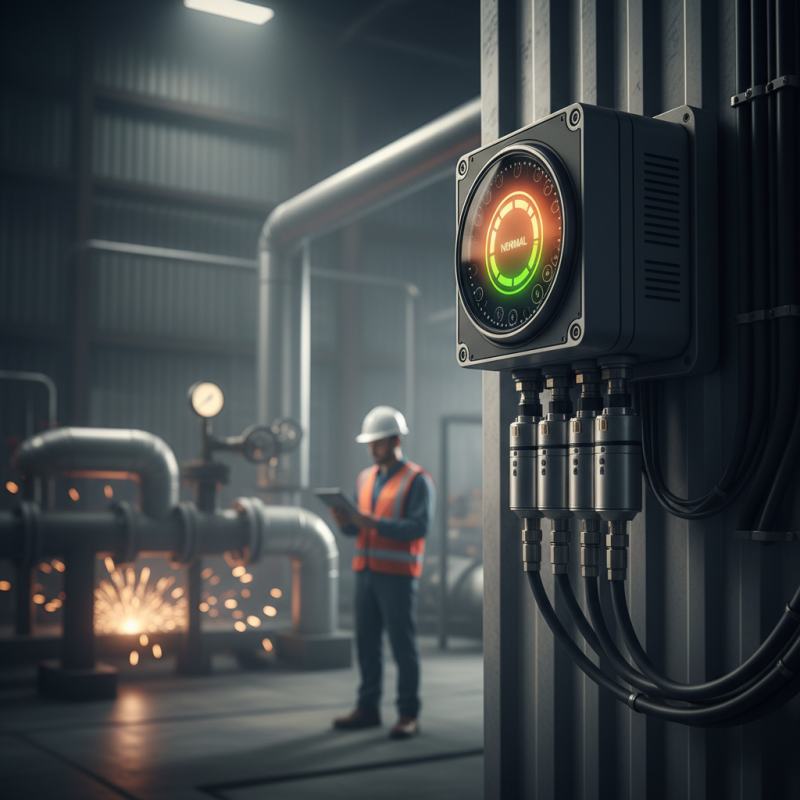
Gas detection refers to the process of identifying and monitoring the presence of gases in the environment. This is crucial for various industries, such as mining, oil and gas, and manufacturing. Detecting harmful gases can help prevent accidents and protect workers’ safety. Gas detection systems often utilize sensors to analyze air samples for specific gas concentrations. These systems can provide real-time data to help make informed decisions regarding safety measures.
Different types of gas detection technologies exist, including electrochemical sensors, infrared sensors, and catalytic bead sensors. Each type has its pros and cons, making it essential to choose the right one based on environmental conditions. For example, electrochemical sensors are highly sensitive but may require frequent calibration. Meanwhile, infrared sensors offer a robust solution for detecting hydrocarbons without interference. Understanding these nuances is vital for effective gas detection.
The importance of proper installation and maintenance cannot be overstated. Many systems fail due to improper setup or lack of regular checks. Regular inspections can ensure accuracy and functionality. However, even with the best systems, unexpected leaks can occur. Therefore, ongoing training for personnel is essential. Effectively responding to gas detection alerts is just as crucial as the technology itself.
The Importance of Gas Detection in Various Industries
Gas detection is vital across various industries, such as manufacturing, oil and gas, and food processing. In these sectors, detecting gas leaks can prevent catastrophic failures. The stakes are high; a small leak can lead to explosive situations or toxic exposure. It’s essential for workplaces to have reliable detection systems in place.
Workers in confined spaces often face risks from harmful gases. With an effective gas detection system, personnel can be alerted before gas levels become dangerous. This early warning can save lives. In some industries, compliance with safety regulations hinges on the implementation of proper gas detection measures. The consequences of neglect can be severe, impacting both human health and the environment.
Despite technology advancements, gas detection systems can fail. Environmental factors and maintenance issues can compromise their effectiveness. Continuous training and awareness are crucial for workers. Regular system checks and updates can enhance reliability. Encouraging a culture of safety is necessary for all industries that deal with gas. Building a proactive approach is key to minimizing risks.
How Gas Detection Systems Function: A Technical Overview
Gas detection systems are crucial for safety in various environments. These systems identify the presence of harmful gases, alerting personnel to potential hazards. They primarily rely on sensors to detect specific gas types. Each sensor operates differently, based on the gas's properties.
For instance, electrochemical sensors measure changes in electrical current as gas interacts with chemicals. Optical sensors, on the other hand, use light to detect gas concentrations. These methods provide real-time data, essential for immediate response. However, the reliability of these systems often hinges on proper calibration and maintenance. A poorly calibrated sensor can lead to false alarms or missed detections.
Installation locations significantly affect a system's efficiency. Sensors should be placed at points where gas leaks are most likely to occur. This can be tricky, as environmental conditions, such as temperature or humidity, may influence readings. Regular testing and adjustments are vital but can be overlooked. This might result in a false sense of security for users. Optimal gas detection requires ongoing vigilance and a commitment to rigorously maintaining system integrity.
Types of Gas Detection Sensors and Technologies
Gas detection is crucial in many industries. Various types of gas detection sensors and technologies help identify harmful gases. These sensors play an essential role in maintaining safety.
There are several sensor types to consider. Electrochemical sensors measure gas concentrations through chemical reactions. They are precise but may require regular recalibration. Another common type is the infrared sensor. These sensors detect gases based on infrared light absorption. They are effective for many gases but can be influenced by environmental factors.
Semiconductor sensors are also popular. They detect changes in electrical resistance caused by gas presence. Although they offer quick response times, they can be less reliable in some conditions. Each sensor type has its advantages and challenges. Understanding these intricacies is essential for effective gas detection. Doing so can significantly enhance workplace safety and environmental protection.
What is Gas Detection and How Does it Work? - Types of Gas Detection Sensors and Technologies
| Type of Gas Sensor | Detection Principle | Commonly Detected Gases | Applications |
| Electrochemical Sensors | Measures current flow from a chemical reaction | Carbon monoxide, hydrogen sulfide, oxygen | Industrial safety, confined space monitoring |
| Infrared Sensors | Measures absorption of specific wavelengths of light | Methane, carbon dioxide | Environmental monitoring, HVAC systems |
| Catalytic Sensors | Catalyzes combustion of gases to produce heat | Natural gas, propane | Leak detection in residential and industrial settings |
| Photoionization Detectors (PID) | Uses UV light to ionize gas molecules | Volatile organic compounds (VOCs) | Hazardous material response, industrial hygiene |
| Metal-Oxide Sensors | Detects changes in resistance due to gas absorption | Ammonia, methane | Air quality monitoring, safety applications |
Best Practices for Gas Detection Installation and Maintenance
Proper gas detection installation and maintenance are critical for safety. Start by choosing the right location for sensors. Place them where gas leaks are likely. Areas near gas appliances or storage are ideal. Ensure that the sensors are not obstructed by furniture or equipment. Regular checks are necessary to maintain functionality.
Routine inspections help identify issues early. Check for any signs of wear or damage to the sensors. Replace batteries and components as needed. Keeping a maintenance log is wise. This not only tracks replacements but ensures accountability. Training staff on proper usage and responses is another key area.
Consider the environment where sensors are installed. High humidity, dust, or extreme temperatures can affect performance. Reflect on past incidents to improve your approach. Adapting to feedback helps create a safer space. It’s essential to stay vigilant and proactive about gas detection systems. Awareness and preparedness can save lives and property.