How to Choose the Best Residential Solar Panels for Your Home?
Choosing the best residential solar panels for your home can feel overwhelming. With a growing emphasis on renewable energy, many homeowners are considering this eco-friendly option. According to the Solar Energy Industries Association (SEIA), residential solar installations have increased by over 20% annually in recent years. This trend reflects a shift towards sustainable living and significant savings on energy bills.
When selecting residential solar panels, several factors come into play. Panel efficiency, durability, and warranty are crucial. It’s important to assess your energy needs and roof space accurately. Industry reports suggest that high-quality panels can produce up to 30% more electricity than budget options over their lifespan. However, the initial investment can be daunting for many homeowners. The incentives available can vary, impacting decisions significantly.
Navigating the solar market reveals challenges as well. Not every manufacturer offers reliable warranties or customer service. Homeowners must educate themselves about different technologies and brands. This process can be time-consuming and complex, leading to potential mistakes in choosing the right system. Taking the time to research and compare options will ultimately lead to a more informed decision and successful solar investment.
Understanding Different Types of Residential Solar Panels Available Today
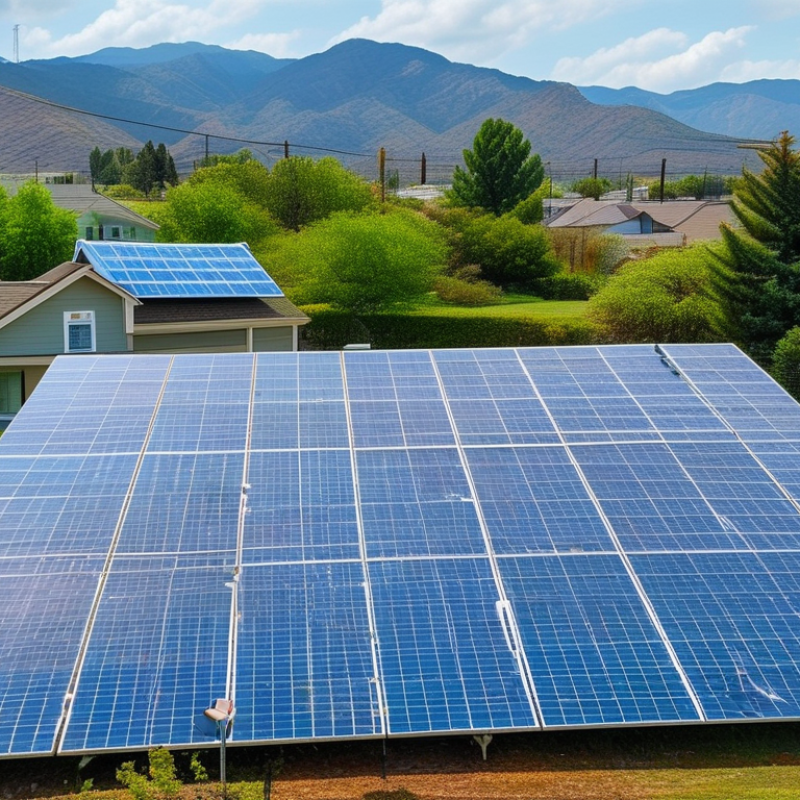
When selecting residential solar panels, understanding the available options is crucial. Today, three main types of solar panels are commonly used:
monocrystalline,
polycrystalline, and
thin-film. Each type has its unique characteristics and benefits.
Monocrystalline panels are known for their efficiency and longevity. They have a sleek appearance and can produce more energy in smaller spaces. However, they tend to have a higher price tag.
On the other hand, polycrystalline panels are more affordable. They are made from multiple silicon crystals, which makes them less efficient than monocrystalline panels. Yet, they work well in regions with ample sunlight.
Thin-film solar panels are the most lightweight and flexible option. They can be integrated into various surfaces, offering more versatility. However, they usually require more space to generate the same energy as the other two types.
Many homeowners struggle with the decision-making process. It’s essential to weigh the upfront costs against long-term savings. Assess your energy needs and the space available for installation. Consider local climate conditions too. Each panel type comes with its trade-offs, and understanding these can guide your decision.
Making an informed choice can lead to a sustainable energy solution for your home.
Assessing Your Home's Energy Needs and Solar Potential
When considering solar panels, assessing your home's energy needs is crucial. Start by reviewing your recent energy bills. Calculate your average monthly usage in kilowatt-hours (kWh). This number will guide your system size. A well-planned system meets your energy demands.
Next, evaluate your home's solar potential. Inspect your roof for size and orientation. South-facing roofs usually receive the most sunlight. Check for shade from trees or nearby buildings. Even partial shade can reduce efficiency. Consider using a solar calculator to estimate potential energy production based on your location.
Tips:
- Conduct a site assessment to understand your roof's suitability for solar panels.
- Talk to a local solar expert for tailored advice. Engaging with professionals helps capture the nuances of your specific situation.
- Remember, the best system is one that fits your unique household energy needs and maximizes your roof's solar potential. Prioritize quality over brand when selecting panels.
Evaluating Solar Panel Efficiency Ratings and Performance Standards
When selecting residential solar panels, efficiency ratings are crucial. These ratings indicate how well a panel converts sunlight into energy.
Higher efficiency means more power generation in limited space. Look for panels with efficiency ratings above 15%. This is a common benchmark for quality.
Performance standards are also important. Panels should meet stringent durability tests. Those that excel in extreme weather conditions will last longer. Understand warranties offered; a longer warranty often reflects confidence in the product's performance.
However, efficiency isn't the only factor. Installation quality can impact overall performance. Discrepancies in installation methods may lead to efficiency loss.
It's vital to assess the team's expertise. Not all systems are created equal; some may require more maintenance than others. Focus on the long-term reliability of both the panels and installation.
Make informed choices to maximize your investment.
Exploring Financial Incentives and Return on Investment for Solar Panels
When considering solar panels, financial incentives play a crucial role. Many homeowners overlook available tax credits and rebates. These incentives can significantly reduce the initial cost. In several regions, local or state governments offer financial support. This can motivate homeowners to switch to solar energy.
Return on investment (ROI) is another important factor. It reflects the savings from reduced electricity bills. Typically, the payback period for solar panels ranges from five to ten years. This varies based on energy consumption and system size. Regular maintenance can extend the system's lifespan, enhancing ROI. However, unanticipated expenses may arise.
Choosing the right solar panels requires careful assessment. Homeowners should evaluate both short-term costs and long-term savings. Understanding local regulations is also vital. Analyzing various financing options can reveal opportunities. Ultimately, each home has unique needs, making individualized research essential.
Selecting a Reputable Solar Installer and Evaluating Warranty Options
When selecting a solar installer, consider the experience and reputation of the company. Look for installers with a proven track record. According to a report from the Solar Energy Industries Association, over 90% of homeowners rely on local installers for their solar projects. A trusted installer should provide client testimonials and case studies showcasing previous successful installations. This adds credibility to their claims.
Evaluating warranty options is equally crucial. Most solar panels come with a 25-year warranty, but not all warranties are equal. It’s essential to understand the distinctions between product and performance warranties. A study by the National Renewable Energy Laboratory noted that installations with comprehensive warranties saw an increase in customer satisfaction. Review the terms carefully, as some warranties may have hidden conditions. Assessing the installer’s warranty offerings can reveal their confidence in their products.
Remember that the lowest price is not always the best choice. Cheaper options may compromise quality or service. While high-quality installations often cost more, they provide better long-term value. Reflecting on the installer’s past projects can help gauge potential reliability. Understand your needs and proceed with caution.